Two Lanes, One Block From the Neon
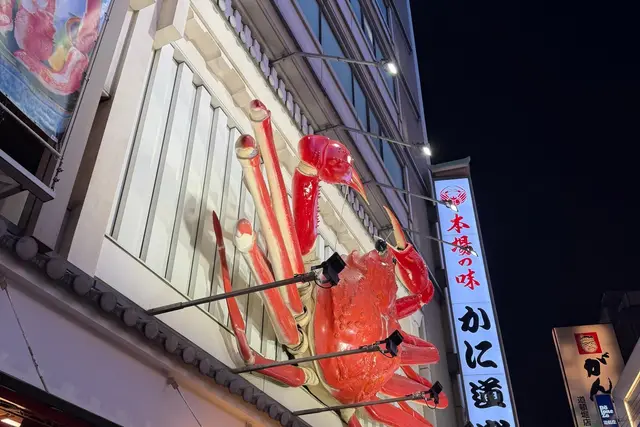
Dotonbori is the Osaka postcard: a giant mechanical crab, canal-side billboards, crowds packed shoulder to shoulder. Walk one block south and the noise drops. The street narrows to a stone-paved lane barely wider than your outstretched arms. Low wooden shopfronts sit close on both sides, with paper lanterns and cloth noren curtains hanging over their doors.
This is Hozenji Yokocho. It’s really a pair of parallel alleys, each around 80 metres long, with narrow cross-passages linking them. Flagstones run underfoot. The wooden eaves are low, and the timber and plaster frontages put you closer to an older merchant Osaka than anything on the main drag.
The lane takes its name from Hozenji, a small Jodo-sect temple at its western end. Temple and alley have been linked for centuries: pilgrims came to pray, and food stalls grew up to feed them. That pairing of shrine and snack still shapes the place.
Splashing the Moss-Covered Fudo
Mizukake Fudo is the reason most people come. He’s a stone statue of Fudo Myoo, the fierce Buddhist guardian, and he’s covered head to toe in thick green moss. Hozenji burned in the 1945 air raids on Osaka. This statue survived, and it has been soaked with water by worshippers ever since.
Mizukake means “water-splashing”, and that’s the ritual. Near the statue there’s a trough with long-handled wooden ladles. Worshippers scoop water, splash it over Fudo, then press their palms together and make a wish. After decades of that water, the moss grows thick enough to hide his face and his sword.
A smaller shrine to Kompira and other altars share the compact temple grounds. Stone lanterns and wooden votive plaques sit around the edges. At night the grounds glow with lantern light, and the moss looks almost black.
Eating Along the Flagstones
The alley is lined with traditional restaurants, cafés and taverns. Many hold fewer than a dozen seats, often at a counter. The style runs from Osaka comfort food to quiet kappo counters, where the cook prepares small seasonal dishes in front of you. You’ll also find izakaya-style taverns, where locals settle in after work over sake or beer.
Typical things to look for on the menus posted outside:
- Okonomiyaki, Osaka’s griddled cabbage-and-batter pancake
- Kushikatsu, skewers of meat and vegetables, breaded and deep-fried
- Oden, simmered fishcake, daikon and egg in dashi
- Seasonal kappo courses at the smaller counter restaurants
- Sake and shochu, often by the glass
Prices and menus change, and many places post them at the door or in the window. Read them before you slide the door open. Some counters are on the pricier side and some are casual, so don’t assume.
Meoto Zenzai: One Order, Two Bowls
Meoto Zenzai is the alley’s best-known sweet shop, and it has served one dish since 1883. The dish is zenzai, a hot, sweet red-bean soup with a toasted rice cake in it. Your single order comes split between two small bowls. The name means “husband-and-wife zenzai”, and the two bowls are supposed to bring good luck to couples.
Osaka writer Oda Sakunosuke gave the shop literary fame. His 1940 novel Meoto Zenzai follows a struggling couple in this part of the city, and they eat here. The book was later made into a well-known film. It turned a neighbourhood sweet shop into a pilgrimage stop, especially for couples.
Getting to Hozenji From Namba
The alley sits at 1-chome Namba in Chuo Ward, between Dotonbori and the Sennichimae shopping arcade. You have several rail options:
- Namba Station (Midosuji, Yotsubashi and Sennichimae lines, plus Nankai): about a 5 to 10 minute walk north
- Nippombashi Station (Sakaisuji and Sennichimae lines, and Kintetsu): a similar walk west
- Osaka Namba Station (Kintetsu and Hanshin): also close by
From Dotonbori, cross to the south side of the canal and look for the narrow lane entrances near the temple. Each entrance carries a wooden signboard with the name Hozenji Yokocho. The two boards were written by two celebrated Osaka entertainers, the comic actor Fujiyama Kanbi and the rakugo storyteller Katsura Harudanji III.
Manners for a Lane This Narrow
Hozenji Yokocho is still a quiet find. It stays that way because visitors behave as they would on a residential street. There’s room for about two people to pass, so step aside for delivery carts. Don’t stop dead in the middle of the lane to film.
At the temple, the order is simple. Bow slightly and drop a coin in the offering box. Take a ladle and splash water gently over Fudo, usually three times, then press your hands together and make your wish. Throw the water rather than hurling it, because it ends up on your neighbours’ shoes too.
In the restaurants, ask before photographing the counter, the cook or other diners. Small places may be cash-only, so check at the door. Tipping isn’t done in Japan. At taverns, a small appetiser called otoshi often arrives unasked and goes on the bill as a table charge. That’s normal.
Many of the counters are tiny and fill with regulars. A booking helps for the kappo-style places, and your hotel front desk can usually make the call. Opening hours vary by shop, and some close on set weekdays, so check each place before you plan around it.
After the Lanterns: What’s Next Door
The alley makes a calm break in a very loud neighbourhood, so it pairs easily with the rest of Minami. You need 30 to 45 minutes for the temple and a stroll. Stay for a meal and it becomes a full evening.
Close by:
- Dotonbori: the canal, the Glico running-man sign and the Tombori River Walk, one block north
- Namba Grand Kagetsu: Yoshimoto’s home comedy theatre, a short walk south
- Sennichimae Doguyasuji: the kitchenware street, for knives and plastic food models
- Kuromon Market: Osaka’s covered food market, about 10 minutes east on foot
- Shinsaibashi-suji: the long covered shopping arcade, across the canal to the north
A good plan is to do Dotonbori’s neon first, then slip into Hozenji as the lanterns come on.
Frequently asked questions
Where exactly is Hozenji Yokocho?
It's at 1-chome Namba, Chuo Ward, Osaka, one block south of the Dotonbori canal and next to the Sennichimae arcade. Hozenji Temple and its moss-covered Mizukake Fudo statue sit at the western end.
Which station is closest?
Namba Station is about a 5 to 10 minute walk. It's served by the Midosuji, Yotsubashi and Sennichimae subway lines, plus Nankai. Nippombashi Station (Sakaisuji and Sennichimae lines, and Kintetsu) is a similar distance to the east.
What is the water-splashing ritual at Hozenji?
You offer a coin, ladle water over the moss-covered Fudo Myoo statue (Mizukake Fudo) and make a wish with your hands pressed together. The statue survived the 1945 air raids, and decades of splashing have covered it in thick moss.
When is the best time to go?
Early evening, when the paper lanterns along the alley and in the temple grounds are lit. Shop hours vary and some places close on set weekdays, so check the specific restaurant before you go.
How long should I spend there?
Allow 30 to 45 minutes to see the temple and walk both lanes. Add an hour or more if you stay for zenzai at Meoto Zenzai or a meal at one of the counter restaurants.
Plan your trip to Osaka
Some links above are affiliate links — if you book through them, Wander Atlas earns a small commission at no extra cost to you. It's how we keep every guide free.