Three nights in Osaka
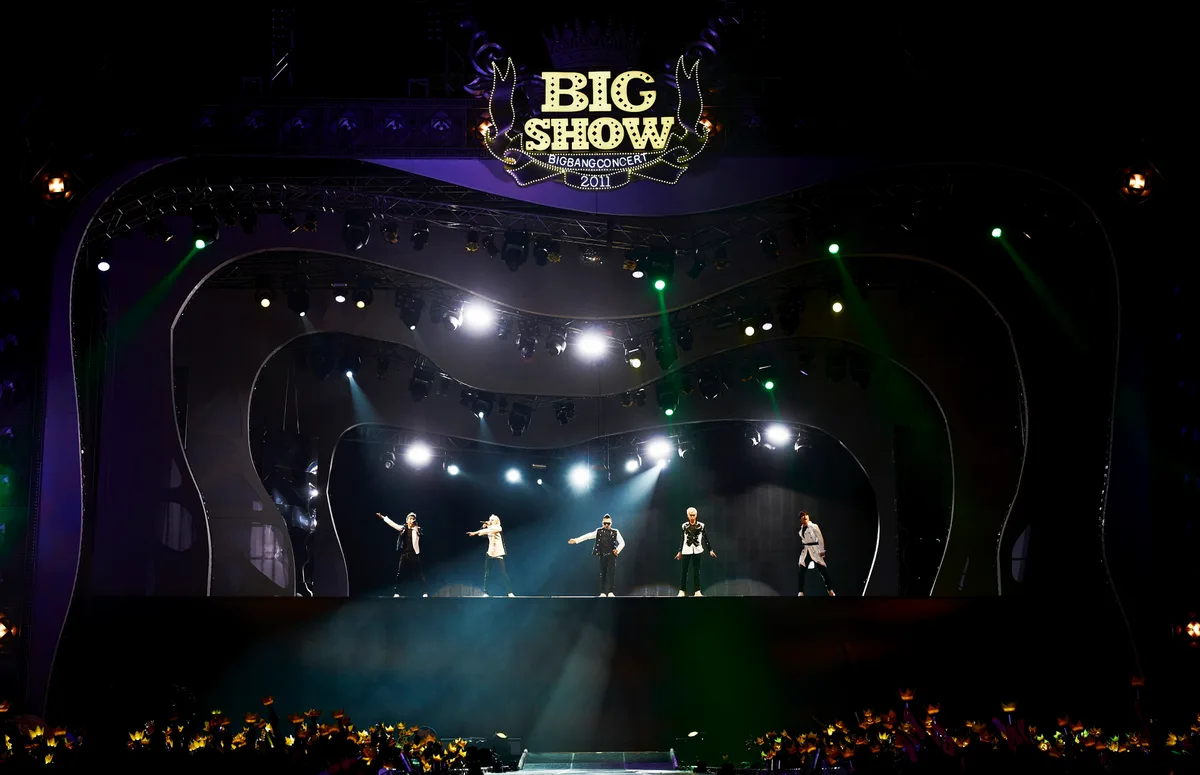
BIGBANG play Osaka three nights running, November 27–29, 2026. The run is part of their world tour, and it falls in the year the group marks two decades since their 2006 debut. That anniversary gives these shows extra weight for long-time fans.
The audience reflects it. Fans travel in from all over Japan, from Korea and from across the region. Osaka’s hotels, trains and food streets carry a lot of black and gold merchandise that weekend.
BIGBANG are no strangers to this circuit. They toured Japan’s domes again and again through the 2010s, and those shows helped make stadium-scale K-pop touring in Japan seem normal.
The dome by the river
Osaka has one dome: Kyocera Dome Osaka. It’s the silver, flying-saucer-shaped roof in Nishi-ku, beside the Kizu and Shirinashi rivers. Most of the year it’s home to the Orix Buffaloes baseball team, and it has been the Osaka stop on BIGBANG’s earlier dome tours.
Several rail lines meet at the dome, which helps when tens of thousands of people leave together:
- Dome-mae Chiyozaki Station (Osaka Metro Nagahori Tsurumi-ryokuchi Line) is the closest, a short walk to the gates.
- Osaka Dome-mae Station (Hanshin Namba Line) runs straight through to Namba and Kobe-Sannomiya.
- Taisho Station (JR Osaka Loop Line) is a slightly longer walk. Many fans pick it because the Loop Line spreads the crowd across the city.
- Kujo Station (Osaka Metro Chuo Line) sits across the river and is quieter on the way home.
Next door, the AEON Mall Osaka Dome City has food courts, toilets and coin lockers. On show days the lockers fill up long before doors open.

How tickets work for a Japanese dome show
Japanese concert ticketing has its own logic. The organiser publishes the dates, venue and ticket links on its official site. Most seats are sold through lotteries, usually with a fan-club round first and general rounds after it.
Tickets are usually digital and tied to a named account on a ticketing app. Seat numbers often appear in the app only shortly before the show. Staff at Japanese venues regularly check photo ID against the ticket name, and resold tickets in someone else’s name are refused at the gate.
International fans usually find the overseas or global ticketing route easiest. It’s set up for foreign phone numbers and cards, which the domestic Japanese systems often reject.
Inside the dome: lights, goods and leaving in blocks
A Japanese concert crowd follows clear habits. Knowing them makes the night smoother.
- Goods first. Official merchandise stalls open hours before the show. Fans usually queue for goods in the afternoon and then come back for doors.
- The light stick. BIGBANG’s crown-topped light stick is the standard gear. In Japanese domes, the colour waves across the stands are part of the show.
- No filming. Japanese venues ban phone recording during the performance unless a song is announced as open for photos. Staff do walk the aisles and enforce it.
- Stay in your seat. You stand and dance at your own seat. Moving between blocks isn’t done.
- Staggered exit. After the encore, announcements release the crowd one block at a time, called kisei taiki. People wait calmly for their section, and the stations stay manageable because of it.
Paper fans and handmade boards are welcome if they stay below head height so the people behind can see. Most rubbish goes home with you, since the dome has few bins.
Where fans stay and eat
Many visitors stay in Namba or Shinsaibashi. The Hanshin Namba Line takes you from there to Osaka Dome-mae in a few minutes, and after the show Dotonbori’s late-night counters are close by. You’ll find takoyaki stands and kushikatsu bars still serving after a dome show lets out.
Umeda is the other common base. JR Osaka Station is on the Loop Line to Taisho, and from there the Shinkansen at Shin-Osaka is easy to reach. Fans coming from Korea usually fly into Kansai International Airport. The Nankai line runs straight to Namba.
Late November in Osaka is cool and dry. The autumn leaves around Osaka Castle Park and in nearby Kyoto are usually still turning then. Plenty of fans turn the three show nights into a longer trip, with daytime sightseeing between concerts.
Hotels near the main stations fill up across a three-night dome run. Fans who miss out often stay further along the Hanshin line toward Amagasaki or Kobe.
Frequently asked questions
When does the BIGBANG Japan Dome Tour play Osaka?
BIGBANG play three dates in Osaka, November 27–29, 2026, as part of their world tour.
Which venue is the Osaka dome show?
Osaka's only dome is Kyocera Dome Osaka in Nishi-ku, and it was BIGBANG's Osaka stop on earlier Japan dome tours. The organiser's official site lists the venue for each date.
What is the easiest station for Kyocera Dome Osaka?
Dome-mae Chiyozaki Station on the Osaka Metro Nagahori Tsurumi-ryokuchi Line is the closest. Osaka Dome-mae on the Hanshin Namba Line runs direct to Namba. JR Taisho on the Loop Line is a few minutes' walk further, and Kujo on the Chuo Line is a quieter way home.
Do I need ID to enter a Japanese dome concert?
Often, yes. Japanese venues regularly check photo ID against the name on a digital ticket, so tickets bought in someone else's name can be refused. Overseas fans usually bring their passport.
Where do fans usually stay for the Osaka shows?
Most stay in Namba or Shinsaibashi, a few minutes from the dome on the Hanshin Namba Line, or in Umeda near JR Osaka Station. When those areas fill up, fans look further along the Hanshin line toward Amagasaki and Kobe.
Plan your trip to Osaka
Japan eSIM & staying connected →
Some links above are affiliate links — if you book through them, Wander Atlas earns a small commission at no extra cost to you. It's how we keep every guide free.