The Bund, after the lights come on
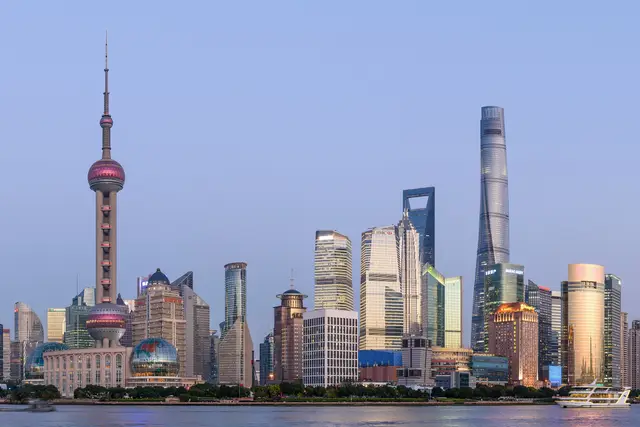
Few streets in Asia look this good at night. Granite and stone banks from the early twentieth century line Zhongshan East 1st Road on one side. Across the Huangpu River sit the lit towers of Lujiazui: the Oriental Pearl Tower, the Shanghai Tower, the Shanghai World Financial Center.
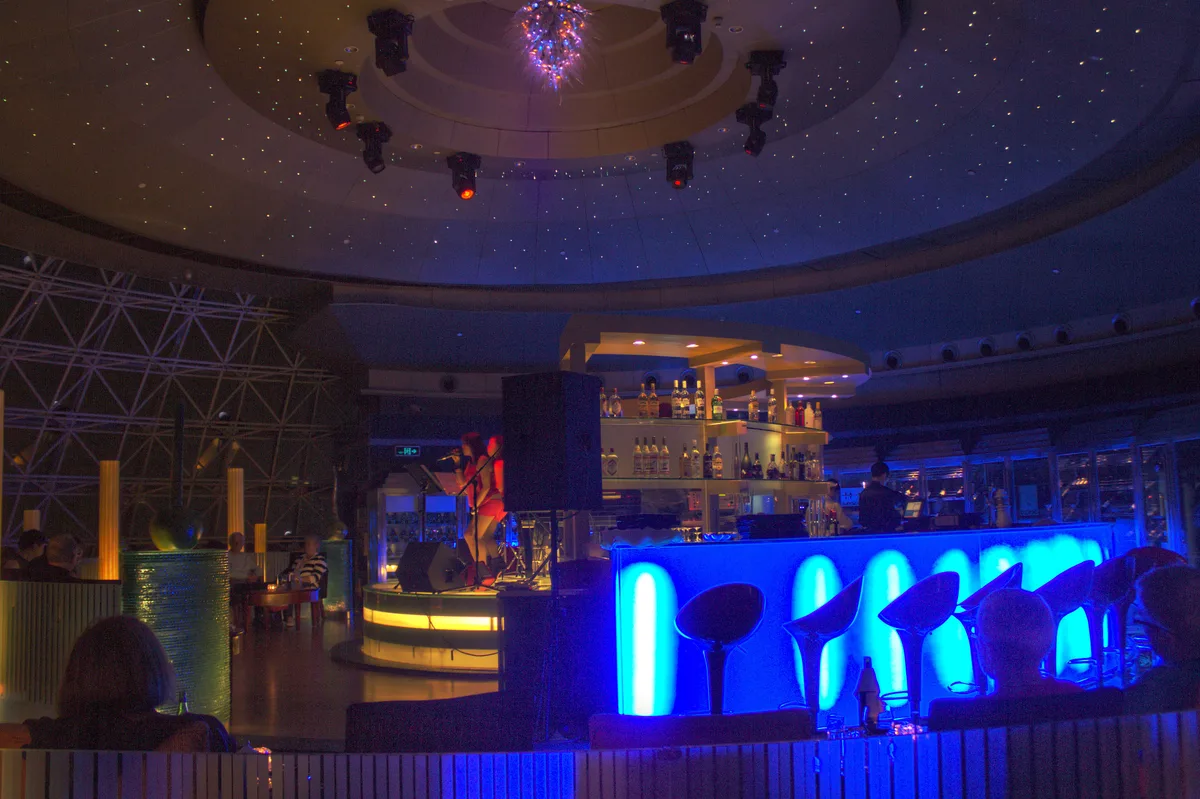
The Dome has opened straight into that view. It is a Japanese omakase restaurant and bar, it is new, and it is built for the evening. The Bund has long been one of Shanghai’s most prestigious dining addresses. This newcomer adds after-dark energy to it rather than hushed formality.
Putting yourself in Terada-San’s hands
Omakase translates roughly as “I leave it to you”. You don’t order from a list. The chef decides what you eat and in what order, one course at a time, according to the season and the day’s best produce.
At The Dome, that chef is Terada-San, and the cooking is his. We haven’t been given a menu, so we won’t pretend to know which courses arrive or how many. The format does tell you a few things worth knowing before you book:
- The meal is paced by the kitchen. Courses come when they’re ready, so arriving late compresses the experience or holds it up.
- Dietary needs belong in the booking. A set sequence is hard to change on the night, so mention allergies or things you don’t eat when you reserve.
- It takes a while. Omakase is a sit-down sequence, not a quick bite. Plan the whole evening around it.
A restaurant that doubles as a bar
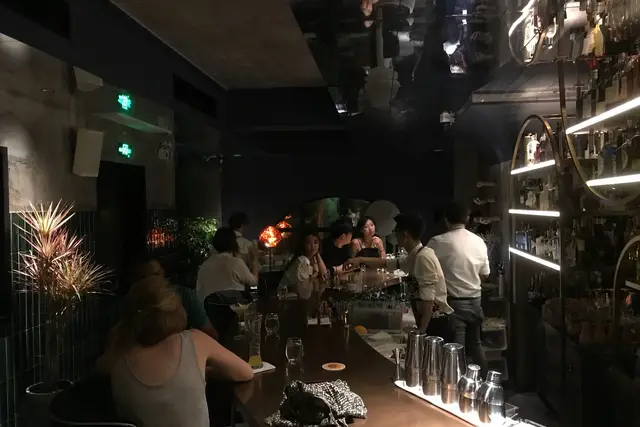
The second half of the description matters. The Dome is a bar as well as a restaurant, and the backers describe it as lively rather than solemn.
That changes how you might use it. Some omakase rooms feel like a quiet temple to fish. This one is pitched as a place to stay on after dinner, so it makes sense for a celebration, a group, or a late drink once the last course is done. If you’d rather have a drink than the full meal, ask when you book whether the bar takes walk-ins or works separately from dinner. That detail hasn’t been published yet.
The Fellas Group is behind the project. For you, that means a hospitality operator is running it rather than a lone chef going it alone, which usually shows up in the drinks programme and in how polished the service is.
Getting to the riverfront
The Bund is easy to reach and hard to drive to. Taxis and ride-hails crawl along Zhongshan East 1st Road in the evening, and the metro is usually faster.
- Metro: East Nanjing Road Station, served by Lines 2 and 10. From there, walk east along Nanjing Road pedestrian street until you hit the river. It takes roughly ten to fifteen minutes.
- By ride-hail: DiDi works in English and lets foreign cards link up. Set the drop-off on the Bund itself and expect slow traffic close to the water.
- From Pudong: the Bund Sightseeing Tunnel and the Huangpu ferries both cross from the Lujiazui side.
We haven’t been given an exact street address. Confirm it with the restaurant when you book, and save the Chinese address in your phone to show a driver.
Booking, paying and eating omakase properly
Book first, and don’t just turn up. Omakase seats are limited by design, and a new opening on the Bund draws a lot of interest. Reserve through the restaurant’s own channels and confirm the date, the time and the address a day before.
Payment in Shanghai is overwhelmingly mobile. Locals pay with WeChat Pay or Alipay, and both apps now let visitors link an international card. High-end restaurants generally take foreign cards as well, but setting up Alipay before your trip saves an awkward moment.
Tipping isn’t part of mainland Chinese dining culture. Upscale restaurants sometimes add a service charge to the bill, so read it before you add anything extra.
At the table, follow the chef’s lead:
- Eat nigiri soon after it’s set in front of you. The rice and fish are timed to be eaten at that moment.
- Fingers or chopsticks are both fine for nigiri.
- Go light on soy sauce. Many pieces arrive already seasoned, and if you’re unsure, ask.
- Phone photos are generally fine, but put the phone down between courses rather than filming the whole meal.
Building an evening around dinner
The Dome works best as the centrepiece of a night on the Bund. Arrive early and walk the elevated riverside promenade while the Pudong skyline lights up. It’s the classic Shanghai view, and it’s free.
Head north along the promenade and you reach Waibaidu Bridge, the old steel bridge over Suzhou Creek. Just inland, Yuanmingyuan Road has a quieter run of restored historic buildings, and it’s good for a walk before or after dinner. To the south, the promenade leads toward Yu Garden and the old city if you want a longer walk.
Avoid the Bund on the big public holidays, especially the National Day Golden Week in early October. The promenade fills shoulder to shoulder and police control the crowd flow, which makes reaching a dinner booking slower. On an ordinary weeknight it’s much easier.
Before you go
The Dome is new, so the details are still settling. Opening days, hours, how bookings work and whether the bar takes walk-ins can all change in the first months. Check with the restaurant directly before you go, not with a cached listing.
What won’t change is the format: a chef-led Japanese meal from Terada-San, with a bar attached and the Huangpu right outside. Book ahead, arrive on time and leave the evening open afterwards.
Frequently asked questions
Where is The Dome in Shanghai and how do I get there?
It's on the Bund, Shanghai's riverfront along the Huangpu. The nearest metro is East Nanjing Road Station (Lines 2 and 10). Walk east along Nanjing Road pedestrian street to the river, which takes roughly ten to fifteen minutes. Confirm the exact street address with the restaurant when you book.
Do I need a reservation for The Dome?
Yes, plan on it. Omakase seating is limited by nature, and the restaurant is a new opening in a prime location. Book through the restaurant's own channels and mention any allergies at the same time. Ask whether the bar takes walk-ins, because that hasn't been published.
What kind of food does The Dome serve?
Japanese omakase cooked by Chef Terada-San. The chef chooses the dishes and serves them course by course, so there's no menu to order from. We haven't published specific dishes because no menu has been released.
How long should I set aside for dinner?
Plan a full evening. Omakase is a paced, multi-course meal, and The Dome is also a bar, so many guests stay on after the meal. Add time before dinner for a walk along the Bund promenade.
How do I pay, and should I tip?
Mobile payment through WeChat Pay or Alipay is standard in Shanghai, and both apps accept linked international cards. Tipping isn't customary in mainland China. Upscale restaurants may add a service charge, so check the bill.
Plan your trip to Shanghai
Some links above are affiliate links — if you book through them, Wander Atlas earns a small commission at no extra cost to you. It's how we keep every guide free.