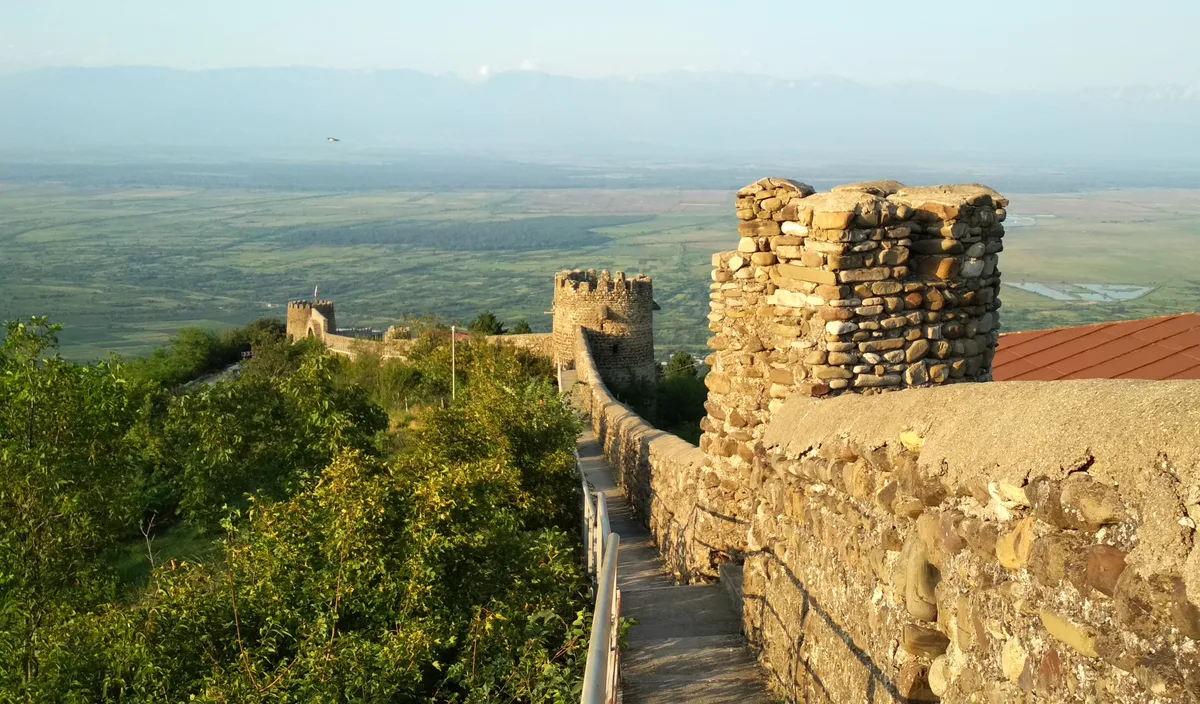
A town with its edges still on
Sighnaghi still has its walls. Stone towers with rounded tops step down the hillside around the old town. Between them a parapet walk looks east over the Alazani Valley, flat and patterned with vineyards, and on a clear day the Greater Caucasus stands up behind it like a wall of its own.
King Erekle II ordered the fortifications in the second half of the 18th century. They protected the people of Kakheti from Lezgin raids that came down from Dagestan. The circuit runs roughly four kilometres, and about two dozen towers still stand. By tradition each tower carries the name of a nearby village whose families sheltered and stood guard there.
Walking the ramparts
You climb onto the wall from the lower edges of the old town, below the cobbled streets with their wooden balconies. The best-known stretch runs along the eastern side, facing the valley. On it you move between towers on a narrow walkway, and in places the only railing is the old stone itself.
What to expect underfoot:
- Steep, uneven stone steps, some worn smooth and slippery after rain
- Tight spiral or ladder-like stairs inside the towers that you can enter
- Low doorways and dark tower interiors, so a phone torch helps
- Sections with sheer drops and no modern barriers
Shoes with grip matter more here than in most old towns. Families with small children should hold hands on the open parts of the walk.
When the light is worth it
Google currently lists the wall as open 24 hours, which makes sense for an outdoor structure built into a town. Daylight is still the sensible window, because the walkway has little lighting and plenty of uneven footing. Access to individual tower interiors can change, so treat any closed door as normal.
Early morning tends to bring the clearest view of the Caucasus, before haze builds over the valley. Late afternoon puts warm light on the stone and the vineyards below. Spring and autumn are comfortable for climbing. The autumn harvest, the rtveli, gives the valley its most famous colours.

Walking it without the coach groups
Sighnaghi is a well-known day trip from Tbilisi, and many tour vans arrive around the middle of the day. If you stay overnight in town, you get the wall early or late with far fewer people on the narrow stairs. Day-trippers can still dodge some of the squeeze by walking the wall first and leaving lunch until later.
A few habits that help:
- On narrow sections, the person going uphill usually waits while others come down
- Don’t sit on the parapet edges for photos; locals and guides discourage it
- Entry to the wall is not ticketed in the way a museum is, so check signs at the towers if any fee or donation box appears rather than relying on a guidebook
- Georgian for wall is galavani, and locals will point you to the right street if you ask for it
Allow one to two hours for a relaxed walk with tower climbs and photo stops. Add more if you want to loop back through the old town.
Getting up to Sighnaghi
Sighnaghi sits about 110 km east of Tbilisi, roughly a two-hour drive. Shared minibuses (marshrutkas) leave from Samgori bus station, beside Samgori metro station on Tbilisi’s Line 1. Many visitors hire a driver instead, which makes it easy to stop at wineries in Kakheti on the way.
Once in town, everything is on foot. The streets are steep and cobbled. Drivers usually drop you near the central square, and from there it’s a short walk downhill to the wall.
Pairing it with the rest of the hill
The wall rarely fills a whole day on its own. Bodbe Monastery is about two kilometres away and holds the grave of St Nino, who brought Christianity to Georgia. You can walk there, and it is one of the most visited religious sites in the country. Cover shoulders and knees, and women should bring a headscarf.
Back in town, the Sighnaghi National Museum has works by the painter Niko Pirosmani, who was born in nearby Mirzaani. Wine bars and restaurants with valley-facing terraces line the old streets. That makes the wall a good walk to take before a long Kakhetian lunch with a glass of local Saperavi.
Frequently asked questions
How do I get to the Sighnaghi Wall from Tbilisi?
Sighnaghi is about 110 km east of Tbilisi, roughly two hours by road. Marshrutkas leave from Samgori bus station, next to Samgori metro on Line 1, or you can hire a driver and add winery stops in Kakheti. Once you're in town, the wall is a short walk downhill from the centre.
Is the Sighnaghi Wall open at night?
Google currently lists it as open 24 hours, because it's an outdoor structure built into the town. The walkway is poorly lit, though, and the stairs are steep and uneven, so daylight is much safer. Access to individual towers can vary.
How long should I spend on the wall?
Allow one to two hours to walk the main eastern stretch, climb a tower or two and stop for photos of the Alazani Valley. Add a few hours if you're also visiting Bodbe Monastery and the old town.
What is the best time of day to walk the wall?
Early morning usually gives the clearest view of the Caucasus. Late afternoon brings warm light on the stone. Staying overnight in Sighnaghi lets you walk it before or after the midday tour groups.
What else is near the Sighnaghi Wall?
Bodbe Monastery, with the grave of St Nino, is about 2 km away. In town you'll find the Sighnaghi National Museum, which has works by Niko Pirosmani, and plenty of wine bars and terrace restaurants looking over the valley.
Plan your trip to Sighnaghi
Georgia eSIM & staying connected →
Some links above are affiliate links — if you book through them, Wander Atlas earns a small commission at no extra cost to you. It's how we keep every guide free.
Related guides
 attraction
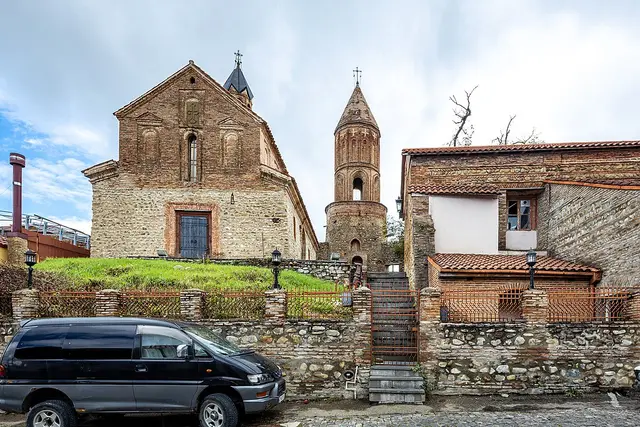
Signagi St. George basilica: Sighnaghi Travel Guide
 attraction
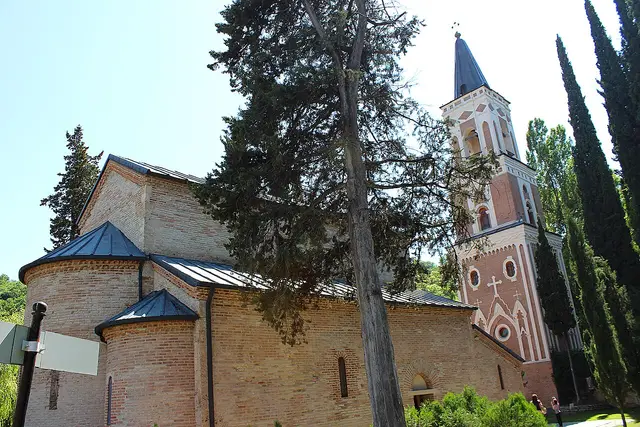
Monastery of St. Nino at Bodbe: Sighnaghi Travel Guide
 attraction
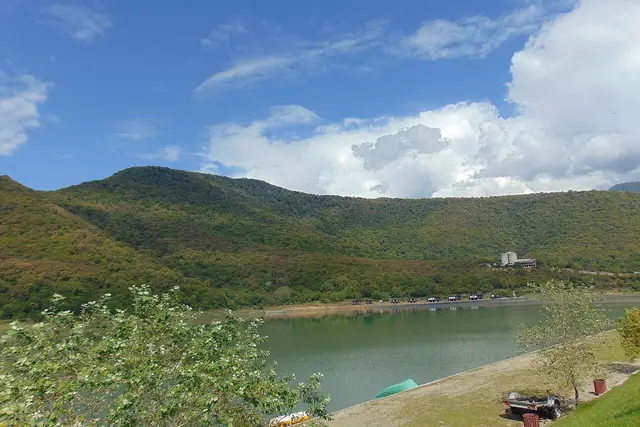
Ilia Lake: Kvareli Travel Guide (4.6★)
 attraction