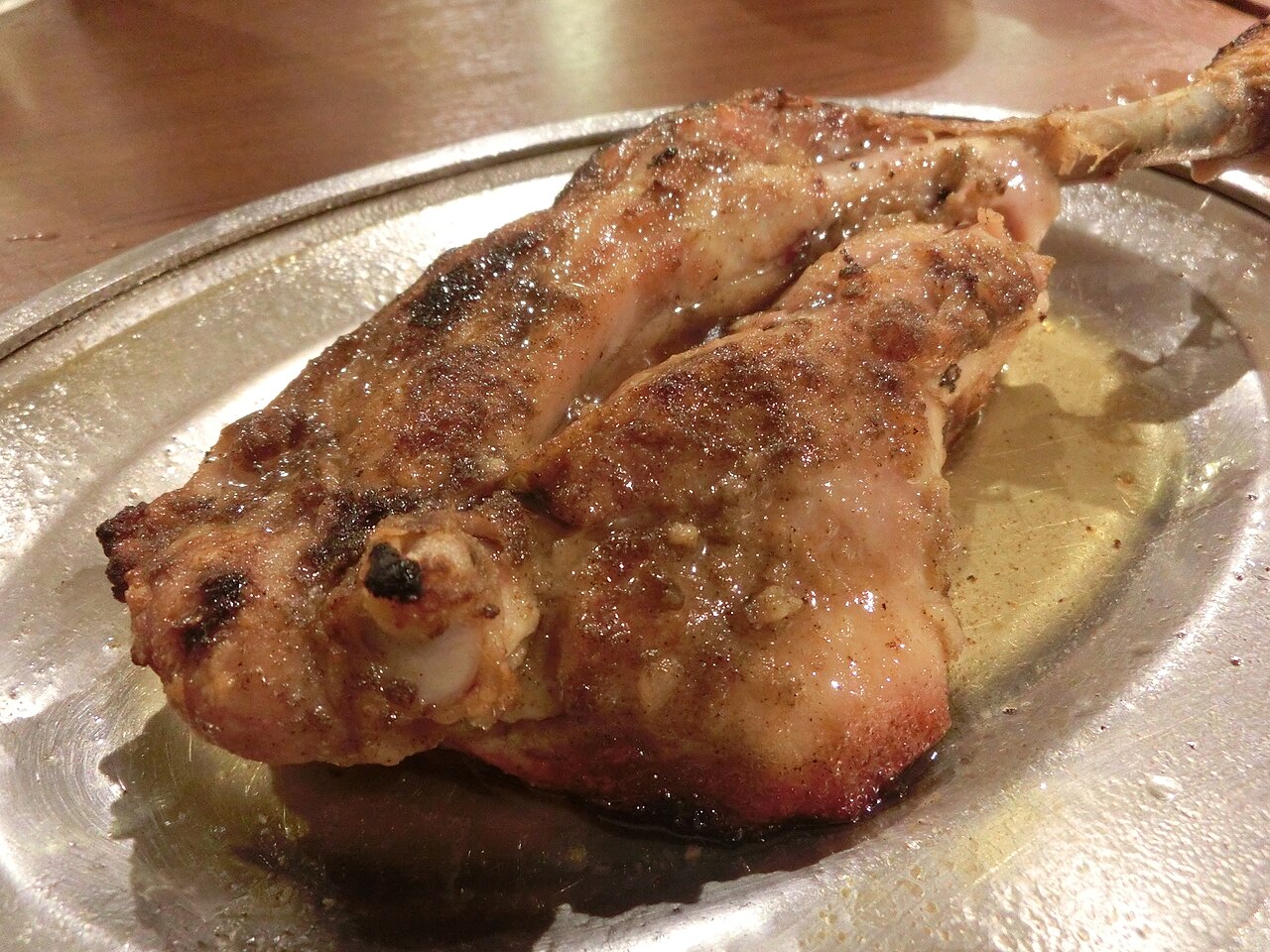
One leg, one plate, one decision
You’re here for a single dish. Honetsukidori is a whole chicken leg roasted on the bone and seasoned hard with salt, black pepper and garlic. It has been the signature dish of Kagawa Prefecture since Ikkaku began serving it in Marugame in the 1950s.
The Takamatsu branch brings it to the prefectural capital. It is one of the most-reviewed places to eat in the city, so expect company.
The leg comes to the table glistening in its own seasoned fat. Alongside it come leaves of raw cabbage. They aren’t a side salad. You drag them through the pool of garlicky oil on the plate, and many regulars think that’s the best bite of the meal.
Oya or hina: choosing your bird
The first thing staff will ask is which chicken you want. There are two:
- Oyadori (おやどり): mature hen. Firm, chewy and deeply flavoured. You will work your jaw, and that is the point.
- Hinadori (ひなどり): young chicken. Soft and juicy, and it pulls off the bone easily. The safer choice for children or first-timers.
If you’re in a pair, order one of each and swap halves. Ordering both is common, and it settles the argument about which is better.
Round the meal out with something to soak up the fat:
- Torimeshi: rice cooked with chicken, the classic partner to the leg
- Onigiri: a plain option if you want the chicken to stay the main event
- A cold beer or highball: honetsukidori is heavily seasoned and was built to go with a drink
Finding Kajiyamachi
The address is 4-11 Kajiyamachi. That puts it in the grid of streets around Takamatsu’s covered shopping arcades and the Kawaramachi entertainment area, where the city goes to drink after work.
Coming by rail, the closest stops are on the Kotoden lines. Kawaramachi Station and Kataharamachi Station are both a short walk away.
From JR Takamatsu Station or the ferry terminal at Sunport, budget roughly 15–20 minutes on foot heading south. You can also take the Kotoden Kotohira Line from Takamatsu-Chikko to Kawaramachi.
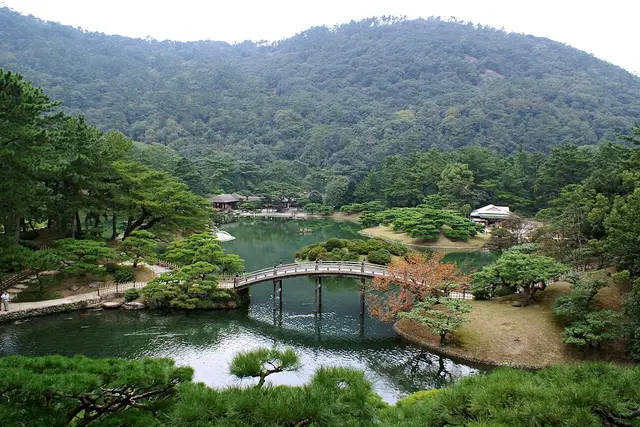
It works well as dinner after a day at Ritsurin Garden. It also suits an evening back from the art islands of Naoshima or Teshima, since ferries return to the port within walking distance.
Timing the queue
Hours here split sharply between weekdays and weekends, so check the day before you set out.
- Monday, Wednesday–Friday: dinner only, 5pm–11pm
- Tuesday: closed
- Saturday and Sunday: 11am–11pm, straight through
Weekends are where the crowds build. Avoid arriving between 1pm and 10pm on Saturday or Sunday; that’s the busiest stretch, and you’ll spend part of it waiting.
The better weekend plan is to come at 11am opening and make honetsukidori your lunch. On weekdays the doors don’t open until 5pm, so there is no lunch option. Getting there right at opening usually beats the after-work rush.
Don’t plan a Tuesday night around it. The restaurant is shut.
Eating it the Kagawa way
A few habits will make the meal go smoothly.
The wait list. Popular Japanese restaurants usually run a list at the entrance rather than a line. Write your name and party size, or tell staff, then wait to be called. Stay within earshot, because names called out to people who’ve wandered off are often skipped.
Use your hands. Kitchen scissors or a knife may help you break the leg into pieces. After that, most people hold the bone. Wet towels are standard at Japanese tables, and you’ll use yours.
Don’t waste the oil. The seasoned fat is there for the cabbage, and some diners spoon a little over their torimeshi. Leaving it untouched is the quickest way to show this is your first visit.
Paying. In Japan you settle the bill at the register by the exit, not at the table, and tipping isn’t done. Payment methods vary from one branch to the next, so carry some yen in case cards aren’t accepted.
Garlic warning. The seasoning lingers. If you have a meeting or a ferry crowd ahead of you, plan accordingly.
Is it worth the detour?
It’s worth it if you want the dish that, alongside sanuki udon, defines eating in Kagawa. Udon is the daytime staple here and honetsukidori is the evening one. Ikkaku is the name most closely tied to it.
Prices sit in the mid-range. Current figures are on the menu at the table. Allow about an hour, plus whatever wait the time of day hands you.
It’s not a quiet, under-the-radar place, and it doesn’t pretend to be. It’s a reliable, well-known spot that does one thing all day, and a hen leg with a beer at 11am on a Saturday is a perfectly respectable Takamatsu lunch.
Frequently asked questions
When is the quietest time to visit Honetsukidori Ikkaku Takamatsu?
There's no measured quiet window. The busiest period is 1pm–10pm on Saturday and Sunday, so avoid that if you can. On weekends, arrive at the 11am opening. On weekdays, arrive close to the 5pm opening.
Is it open for lunch?
Only on weekends, when it's open 11am–11pm. Monday and Wednesday to Friday it serves dinner only, 5pm–11pm. It is closed on Tuesdays.
Should I order oyadori or hinadori?
Oyadori (mature hen) is chewy and full-flavoured. Hinadori (young chicken) is tender and juicy. First-timers often order one of each to share. Add torimeshi (chicken rice) to soak up the seasoned oil.
How do I get there from JR Takamatsu Station?
The restaurant is at 4-11 Kajiyamachi, roughly a 15–20 minute walk south from JR Takamatsu Station. You can also take the Kotoden Kotohira Line to Kawaramachi Station, which is a short walk away.
What else is nearby?
It sits close to Takamatsu's covered shopping arcades and the Kawaramachi nightlife area. Ritsurin Garden and the Sunport ferry terminal for Naoshima and Teshima are both easy to reach from there.
Plan your trip to Takamatsu
Japan eSIM & staying connected →
Some links above are affiliate links — if you book through them, Wander Atlas earns a small commission at no extra cost to you. It's how we keep every guide free.