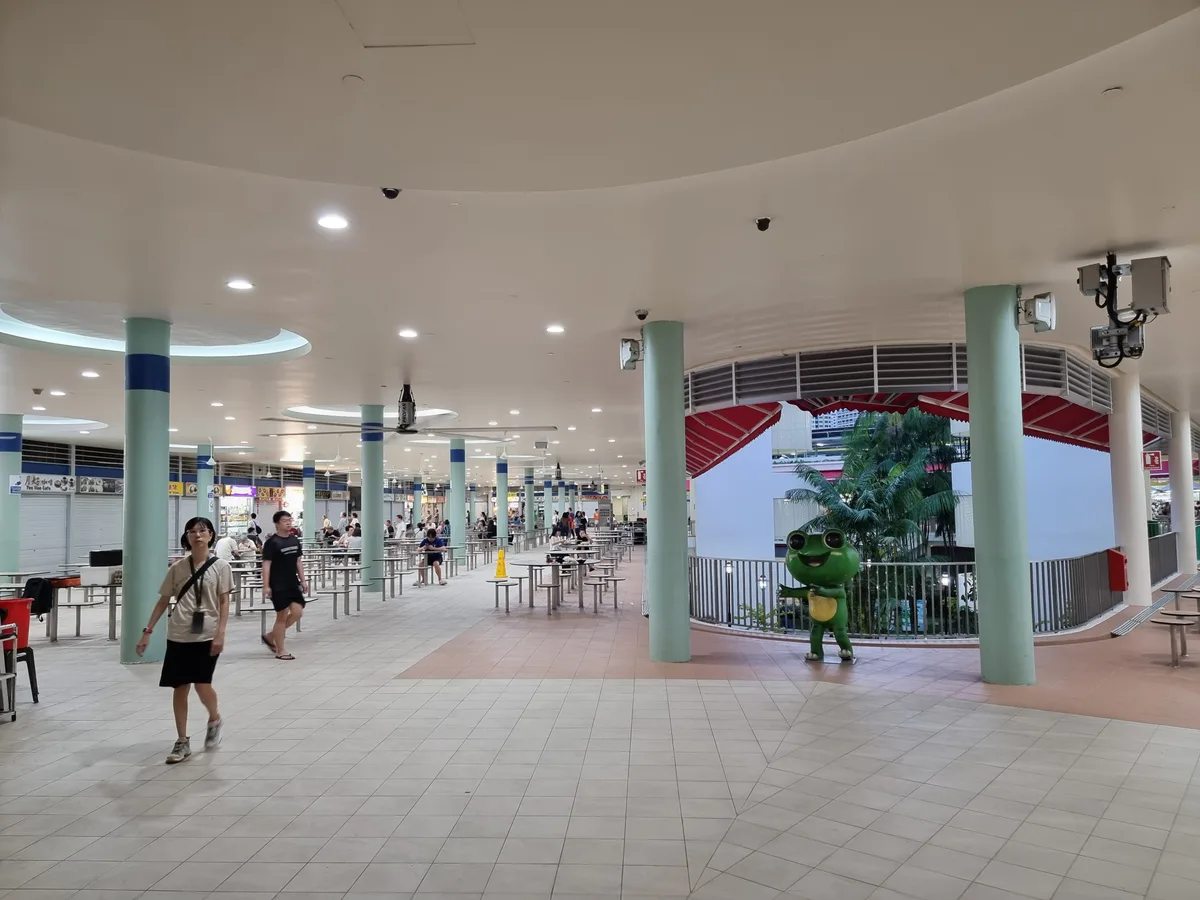
Why Tiong Bahru Market matters
This isn’t a tourist food hall dressed up for visitors. It’s a working wet market with a hawker centre stacked on top, serving the surrounding Tiong Bahru estate the way it has for decades.
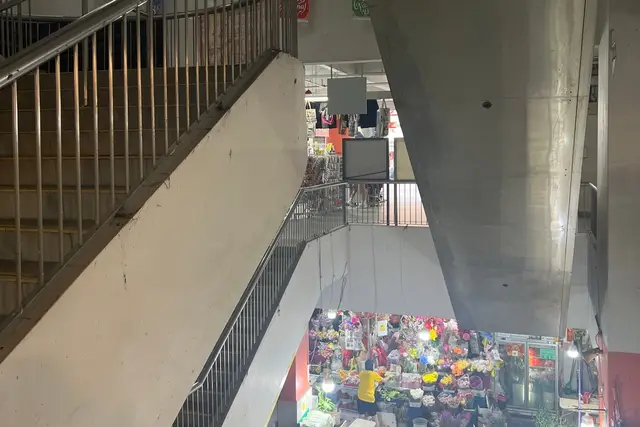
Downstairs, vendors hack up fish, stack mangosteens and sell cut chicken to grandmothers doing their daily shop. Upstairs, under whirring ceiling fans and fluorescent light, dozens of stalls turn out some of Singapore’s most-loved hawker dishes.
Getting there
The market sits at 30 Seng Poh Road, in the heart of the low-rise Tiong Bahru estate.
- Nearest MRT: Tiong Bahru Station (East-West Line), Exit A, about a 10-minute walk through the estate’s Art Deco housing blocks.
- Alternative: taxis and ride-hailing drop directly on Seng Poh Road, right outside.
- Pair the trip with a wander through Tiong Bahru’s famous flat blocks and independent bookshops nearby.
What to eat
The hawker centre occupies the upper level, and the stall list rewards a bit of strategy rather than random wandering.
Look for:
- Chwee kueh – steamed rice cakes topped with preserved radish, a Tiong Bahru signature.
- Lor mee – thick noodles in dark, starchy gravy.
- Chicken porridge – silky, slow-cooked congee with tender poached chicken.
- Hokkien mee – wok-fried noodles with prawn, pork and a smoky char.
- Fresh sugarcane juice or kopi – to cool down between bites.
Portions are small and cheap by design, so ordering from three or four stalls and sharing across a table is the normal way to eat here.

The wet market downstairs
Even if you’re not cooking, the ground floor is worth ten minutes. Butchers, fishmongers and produce sellers work fast, calling out prices and wrapping purchases in plastic in seconds flat.
It smells of ice, citrus and raw seafood, a sharp contrast to the fried, smoky air upstairs. Go before mid-morning; stalls start closing or running low on stock as the day heats up.
When to go
Tiong Bahru Market is genuinely busy. It’s one of the most-reviewed hawker centres in Singapore, and it earns that traffic. Weekday breakfast, roughly 7:30–9am, is your best window for a table and fresh cooking straight off the stove.
Weekends bring a heavier crowd, including plenty of visitors doing exactly what you’re doing. If you can only come later, aim for the early afternoon lull between the breakfast and lunch rushes, roughly 2–4pm, when queues thin out noticeably.
Confirm individual stall hours before you go. Most open early and some sell out and close once their day’s batch is gone, which can be well before evening.
How to visit like a local
Locals treat this as a fast, functional meal, not a leisurely sit-down, match that pace and you’ll blend right in.
- Scout before you queue. Walk the whole upper floor once to see what’s fresh and what has a line, then decide.
- Save your seat first. Place a packet of tissues on a table to “chope” (reserve) it before you order. This is standard practice islandwide.
- Pay in cash or local e-payment. Many stalls take PayNow or cards now, but small notes and coins keep things quick.
- Order at the counter, not the table. Staff will bring food to your seat once it’s ready, but you queue and pay stall by stall.
- Skip peak lunch on weekends if you want breathing room. That’s when both tourists and estate residents converge at once.
- Don’t expect air conditioning. Ceiling fans keep it bearable, but it’s an open-air hawker centre, so dress light.
The most common mistake is treating it like a single restaurant with one bill. It’s dozens of independent stalls under one roof. Each is cash-in-hand, first-come-first-served, and proud of specializing in exactly one or two dishes done well.
Frequently asked questions
How do I get to Tiong Bahru Market?
Take the East-West Line to Tiong Bahru Station, Exit A, then walk about 10 minutes through the estate. Taxis and ride-hailing can drop you directly outside on Seng Poh Road.
What's the best time to visit to avoid crowds?
Weekday mornings around 7:30–9am have the freshest food. If you can't make breakfast, try the early-afternoon lull between roughly 2–4pm, and avoid weekend lunch peaks.
How much should I budget for a meal?
It's a budget-friendly hawker centre — most dishes cost just a few Singapore dollars each, so trying food from three or four stalls is still an inexpensive meal.
How long should I spend there?
Plan for 45–90 minutes: enough time to eat at a couple of stalls and take a quick look through the wet market downstairs.
Is the wet market worth visiting if I'm not cooking?
Yes, even a quick walk-through is worthwhile to see butchers, fishmongers and produce vendors in action — go before mid-morning while stalls are still fully stocked.
Plan your trip to Tiong Bahru
Some links above are affiliate links — if you book through them, Wander Atlas earns a small commission at no extra cost to you. It's how we keep every guide free.