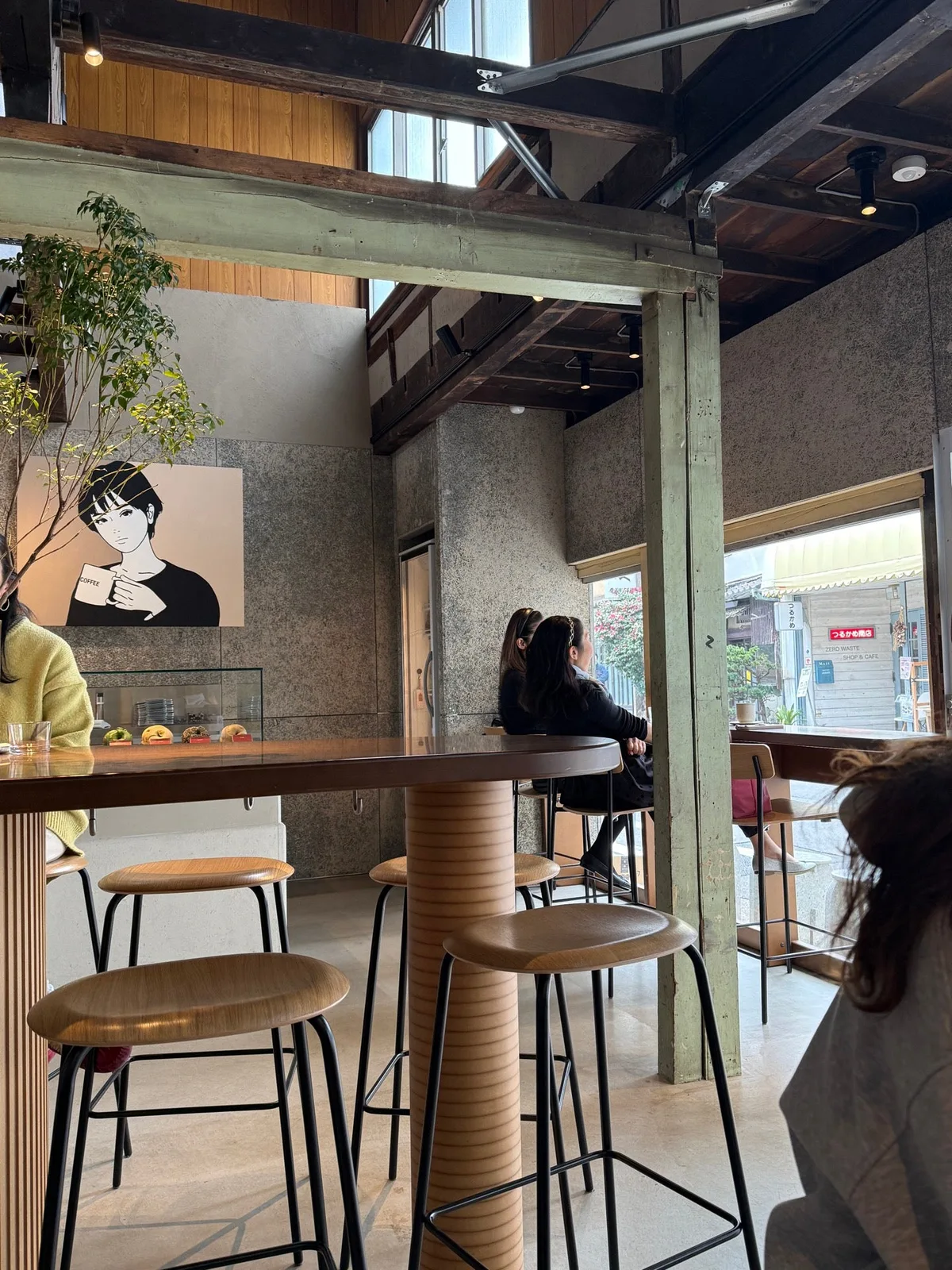
Sangenjaya doesn’t look like a neighbourhood hiding an Indonesian coffee bar. It’s mostly narrow lanes, decades-old apartment blocks, and small shopfronts that have belonged to the same family for two generations. Samaa sits inside one of those old buildings, a structure with roughly 70 years behind it, kept standing rather than torn down and rebuilt from scratch.
That choice shapes the whole feel of the place. The renovation didn’t erase the building’s age, it worked with it, so you get old bones and a new concept layered on top rather than a generic new-build cafe interior.
What Samaa actually is
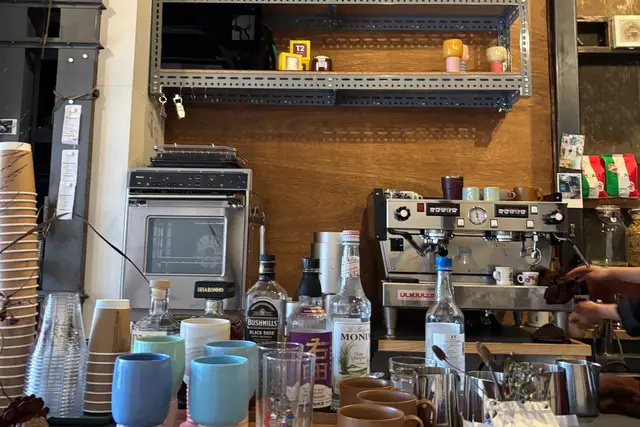
Samaa (stylised SAMAA_) is a cafe built around a Japan-Indonesia pairing, which is not a combination Tokyo does often. Most cross-cultural cafes here lean French, Scandinavian, or Californian. Indonesia is a genuinely different reference point.
That shows up most clearly in the drinks rather than a big fusion menu. The two things Samaa is known for:
- Super Milk Brew coffee, a cold milk-based coffee preparation
- Jamu Shot, a small serving of Indonesian jamu, the traditional turmeric, ginger and tamarind tonic drunk across Indonesia for its bitter, medicinal edge
If you’ve had jamu in Jakarta or Bali, seeing it poured as a shot alongside a Tokyo specialty coffee menu is the real novelty here, not a gimmick bolted onto a standard cafe format.
Ordering: coffee first, jamu second
Treat the visit as two drinks, not one. Start with the Super Milk Brew if you want something familiar and smooth, cold-brew coffee cut with milk in the way a lot of Tokyo third-wave cafes do well.
Then order the Jamu Shot on the side, almost like a digestif in reverse: a short, sharp, earthy hit that resets your palate before or after the coffee. It’s a small pour, so don’t expect it to substitute for a full drink.
Because this is a genuinely new and still-trending opening, don’t assume there’s a large printed food menu or long opening hours. Confirm both directly (via their social accounts or Google’s live listing) before you go, especially if you’re planning the trip around a specific time of day.
The building itself
Part of what makes Samaa worth the detour is architectural, not just liquid. Sangenjaya has plenty of postwar low-rise buildings that are slowly being replaced by taller, blander construction as land turns over.
A cafe choosing to renovate a roughly 70-year-old structure instead of demolishing it is its own small statement. Expect visible signs of the building’s age worked into the design: original proportions, older window placement, materials that don’t try to look brand new.
If you like Tokyo’s small wave of adaptive-reuse cafes and bars, ones that keep a showa-era shell and put a modern concept inside it, this is very much in that lineage.
Finding it in Sangenjaya’s back streets
Sangenjaya (often shortened to “Sancha” by locals) sits on the Tokyu Den-en-toshi Line and the Tokyu Setagaya Line, one stop from Shibuya, which makes it an easy add-on to a Shibuya day rather than a special expedition.
The neighbourhood is a maze of small streets fanning out from the station, mixing izakaya alleys, vintage clothing shops, and quiet residential blocks. Samaa is tucked into this texture rather than fronting a main road, so look up the exact address or pin before setting out; wandering to find it by instinct works less well here than in a grid-planned district.
Budget time to explore the surrounding blocks either way. Sangenjaya rewards aimless walking, and a coffee stop at Samaa fits naturally into an afternoon that also includes browsing the area’s small secondhand and craft shops.
Reading the room: Sangenjaya’s cafe culture
Sangenjaya has built a reputation over the past decade as one of Tokyo’s better neighbourhoods for independent cafes, the kind run by an owner with a specific idea rather than a chain formula. Samaa fits that pattern.
Seating in places like this tends to be limited, often a mix of counter stools and a couple of small tables, so solo visits or pairs are more comfortable than large groups. If you’re visiting with three or more people, it’s worth checking whether reservations are possible before turning up.
Payment in small Tokyo cafes increasingly accepts IC cards (Suica, Pasmo) and major credit cards alongside cash, but smaller or newer operations sometimes stay cash-only or card-only. Have both on hand just in case.
Making it part of a Sangenjaya afternoon
Because Samaa’s draw is compact, one interesting building, two standout drinks, it works best as one stop in a slower Sangenjaya circuit rather than the sole reason for the trip. Pair it with a walk down the station’s shopping streets, a browse through the area’s vintage stores, and, if it’s evening, one of the tiny standing-bar izakaya the neighbourhood is known for.
Since this is a recently opened, still-trending spot, details like operating days, exact hours, and whether food beyond the two signature drinks is served can change quickly. Check Samaa’s current status online shortly before you visit rather than relying on older write-ups, including this one.
Frequently asked questions
Where exactly is Samaa (SAMAA_) located?
It's in Sangenjaya, a neighbourhood in Setagaya, Tokyo, one stop from Shibuya on the Tokyu Den-en-toshi or Tokyu Setagaya Line. It's set back in the area's residential side streets, so look up the exact address before heading out.
What should I order at Samaa?
The two signature items are the Super Milk Brew coffee and the Indonesian Jamu Shot, a turmeric-ginger-tamarind tonic. Try them together: the coffee for a smooth cold-brew base, the jamu shot as a short, sharp companion pour.
Is Samaa a full restaurant or just a cafe?
It's primarily a cafe built around its coffee and jamu offerings rather than a full food menu. Confirm current food options directly with the cafe before visiting, since this is a newer opening and details can shift.
Do I need a reservation?
It's not confirmed whether reservations are required, but seating in Sangenjaya's independent cafes is often limited to a handful of counter seats and small tables. If you're visiting with a group, check ahead.
What's nearby if I want to make an afternoon of it?
Sangenjaya's back streets are worth wandering for vintage shops, small izakaya alleys, and independent cafes. It's an easy add-on to a Shibuya visit given the one-stop train connection.
Plan your trip to Tokyo
Japan eSIM & staying connected →
Some links above are affiliate links — if you book through them, Wander Atlas earns a small commission at no extra cost to you. It's how we keep every guide free.
Related guides
This spot is Day 5 of our Tokyo 5-day itinerary