Three nights at the Big Egg
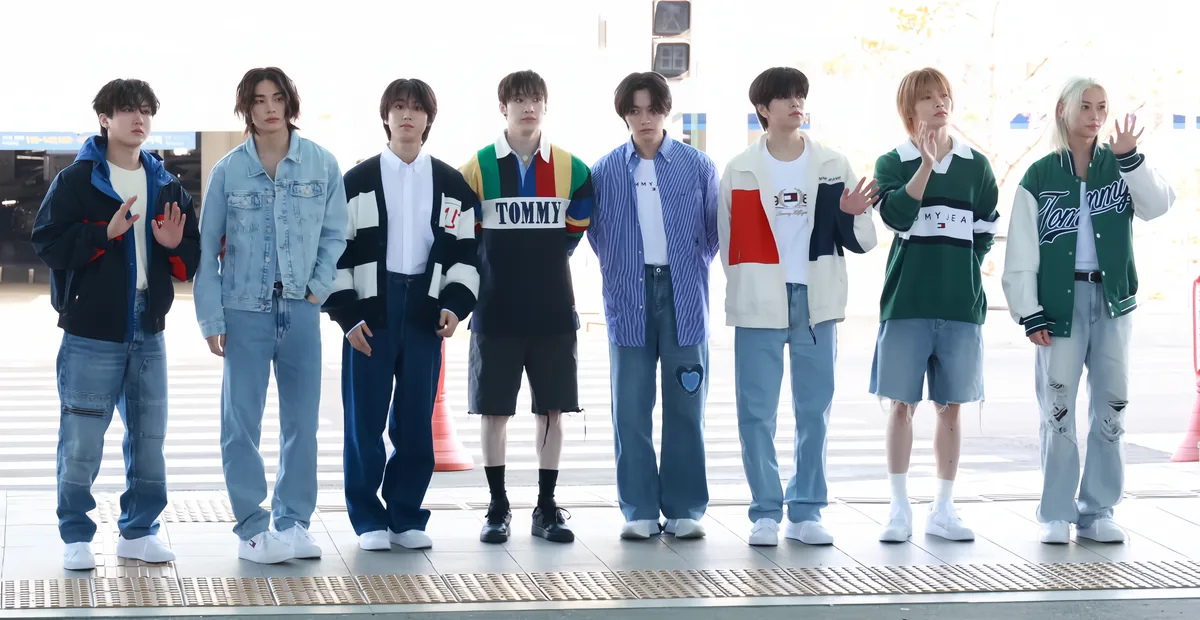
Three nights in a row is a big booking. Stray Kids are scheduled for November 6-8, 2026, at Tokyo Dome. It is Japan’s best-known concert stadium, and Tokyo locals have called it the “Big Egg” since it opened in 1988.
The run is part of the group’s world tour. A multi-night stand here lets the venue split a huge Japanese fanbase across several houses. Confirm the exact dates, venue details and ticketing on the official Stray Kids channels before you book anything.
In concert mode the dome holds tens of thousands of people. That means a full stadium on every night of the run.
Getting a seat: lotteries, apps and ID
Japan doesn’t sell big concert tickets the way most of Europe or North America does. Major K-pop shows here usually go through a lottery system, called chūsen (抽選). You enter during a set window, and winners are drawn afterwards.
The first lottery round normally goes to official Japanese fan-club members. Later rounds tend to go through ticketing platforms.
Here is what international fans should expect:
- Your name is on the ticket. Japanese concert tickets are commonly registered to one person, and staff may check photo ID at the gate.
- Digital tickets are standard. They usually live in a smartphone app, so you need a working phone with enough battery.
- Seats are often shown late. Some systems don’t reveal your block until the day of the show.
- Unofficial resale is risky. Tickets bought from strangers can fail the ID check. Use only an official resale or trade system if the organiser offers one.
You can’t buy a ticket on the day here. Confirm timing and tickets on the official site, and read the lottery terms in full before you enter.
Four stations, one dome
Tokyo Dome sits in Bunkyo ward, inside the Tokyo Dome City complex. It has better rail access than almost any stadium in the world. Pick a station based on where you are staying and where you plan to go afterwards.
- Suidobashi Station (JR Chūō-Sōbu Line): use the West Exit. The dome is a few minutes’ walk across the road and over the footbridge.
- Suidobashi Station (Toei Mita Line): a short walk from the JR station on the same side of the complex.
- Kōrakuen Station (Tokyo Metro Marunouchi and Namboku lines): comes up on the north side, next to LaQua and the amusement rides.
- Kasuga Station (Toei Ōedo and Mita lines): connected underground to Kōrakuen, and handy if you are coming from Shinjuku or Roppongi on the Ōedo Line.
Load a Suica or PASMO IC card before show day. After the show, the ticket machines at Suidobashi are the last place you want to be standing.
The revolving doors, and why the roof stays up
The quirk every first-timer here meets is the doors. Nothing holds Tokyo Dome’s white fabric roof up except air. Fans keep the air pressure inside slightly higher than outside, and that pressure keeps the roof inflated.
So the main entrances use revolving doors rather than open gateways, which keeps the pressure from leaking out. If you leave through one of the ordinary emergency-style doors, a strong gust pushes you out from behind. Hold onto your bag and any paper fans or banners.
Inside it’s a bowl. The arena floor sits at the bottom. Above it is the lower tier of stands on the first floor, and the second-floor balcony rises much higher, under the curve of the roof. Balcony seats are far from the stage, so the screens and the lightstick ocean matter more up there.
Show-day rules in a Japanese stadium
Japanese concert crowds follow the rules closely, and the rules are posted. Read the notice for your specific night on the official site. These are the conventions to expect:
- Filming and photos are often banned while the performance is on. Staff do enforce it.
- Fan-made goods have size limits. Uchiwa (fans), towels and boards usually can’t be held above head height, where they block the people behind you.
- Stay in your seat area. Standing is normal at a K-pop show, but standing on seats or drifting into the aisles is not.
- Bring the official lightstick. At many shows it syncs with the production, and the whole stadium changes colour together.
The official merchandise stands usually draw long lines, sometimes hours before the gates open. If the tour runs pre-orders or online sales, buying that way can save a big part of your day.
Getting in without the queue
Most of your time on a stadium day goes into waiting. Here is how to keep it down.
The gate printed on your ticket matters. Tokyo Dome has numbered gates around its outside, and walking to the wrong one in a crowd this size can cost you a long detour. Look up your gate before you leave the hotel.
Coin lockers at Suidobashi and Kōrakuen fill up fast on concert days. Travel light, or leave your shopping at your accommodation.
At the end, expect kisei taijō (規制退場), a staged exit where staff release the stadium one block at a time. Wait for your section to be called. Pushing for the doors won’t get you out any sooner.
Once you’re outside, walking one stop to Iidabashi or Hongō-sanchōme is often faster than queuing at the platforms by the dome. Trains in Tokyo stop around midnight, so check the time of your last train home.
Before and after: Tokyo Dome City and Kōrakuen
The complex around the stadium can fill a whole afternoon before the show:
- Tokyo Dome City Attractions: an open-access amusement park with the Thunder Dolphin roller coaster looping through a building.
- LaQua: a shopping and dining building with a spa complex, useful for a meal and a sit-down.
- Japanese Baseball Hall of Fame and Museum: inside the dome complex, for anyone curious about the Yomiuri Giants, the team that plays home games here.
- Koishikawa Kōrakuen: one of Tokyo’s oldest stroll gardens, a short walk west of the dome. It was laid out in the early Edo period, and the maple leaves often turn in November.
Kagurazaka is a short walk west of Iidabashi. Its small lanes and restaurants make a quieter place to eat once the crowds have gone home.
Frequently asked questions
When is the Stray Kids Tokyo Dome Concert?
The concert is announced as a three-night run on November 6-8, 2026, at Tokyo Dome, as part of Stray Kids' world tour. Confirm exact dates, start times and ticketing on the official Stray Kids site.
How do I get tickets as an international fan?
Big concerts in Japan usually sell tickets through lotteries, with fan-club members drawn first, and tickets are often digital and registered to your name with ID checks at the gate. Read the official lottery terms and avoid unofficial resale, because those tickets can fail the ID check.
What is the nearest station to Tokyo Dome?
Suidobashi Station on the JR Chūō-Sōbu Line (West Exit) and the Toei Mita Line, or Kōrakuen Station on the Tokyo Metro Marunouchi and Namboku lines. Kasuga Station on the Toei Ōedo Line also connects underground.
Can I take photos or videos during the show?
Japanese concerts often ban filming and photography during the performance, and staff enforce it. Check the official notice for your night.
What is there to do near Tokyo Dome before the concert?
Tokyo Dome City has the Thunder Dolphin roller coaster, the LaQua shopping and spa complex, and the Japanese Baseball Hall of Fame. Koishikawa Kōrakuen garden is a short walk west.
Plan your trip to Tokyo
Some links above are affiliate links — if you book through them, Wander Atlas earns a small commission at no extra cost to you. It's how we keep every guide free.