United Kingdom · Region
Glasgow
Glasgow trades Edinburgh's postcard prettiness for something grittier and more alive: a former industrial powerhouse turned into Scotland's creative capital, famous for Charles Rennie Mackintosh's Art Nouveau buildings, a fiercely loyal live music scene and a warmth of welcome locals call "patter". It sits on the River Clyde, the artery that once built ships for the world and now anchors museums, galleries and riverside regeneration.
Top attractions
 attraction
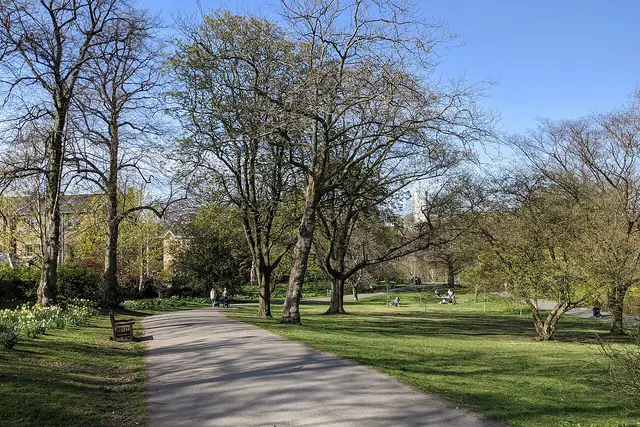
Glasgow Botanic Gardens: Travel Guide (4.7★)
Glasgow Botanic Gardens sits on Great Western Road in Glasgow's West End, a short walk from Hillhead subway station, and the grounds are free to walk around. 4.7★ (15,381 reviews) — what visitors say, hours, and tips.
 attraction
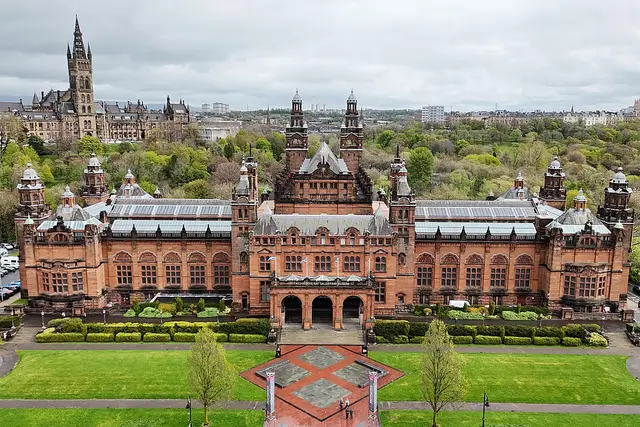
Kelvingrove Art Gallery and Museum: Glasgow Travel Guide
Kelvingrove Art Gallery and Museum sits on Argyle Street in Glasgow's West End, beside Kelvingrove Park and a short walk from Kelvinhall Subway station. 4.7★ (25,984 reviews) — what visitors say, hours, and tips.
 attraction
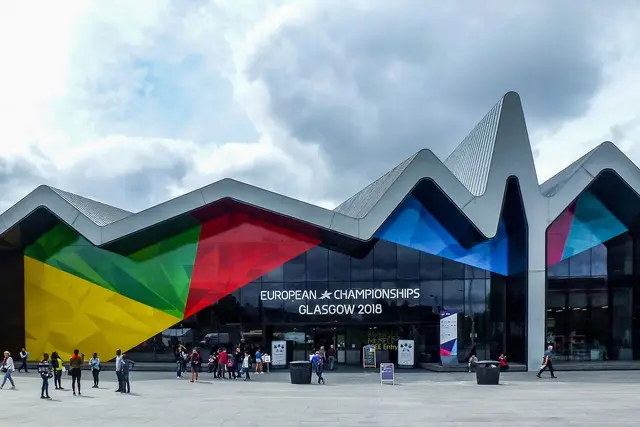
Riverside Museum: Glasgow Travel Guide (4.7★)
Riverside Museum sits on Pointhouse Quay in Glasgow's Partick area, where the River Kelvin meets the Clyde, about a 10 to 15 minute walk from Partick Station. 4.7★ (21,209 reviews) — what visitors say, hours, and tips.
 attraction
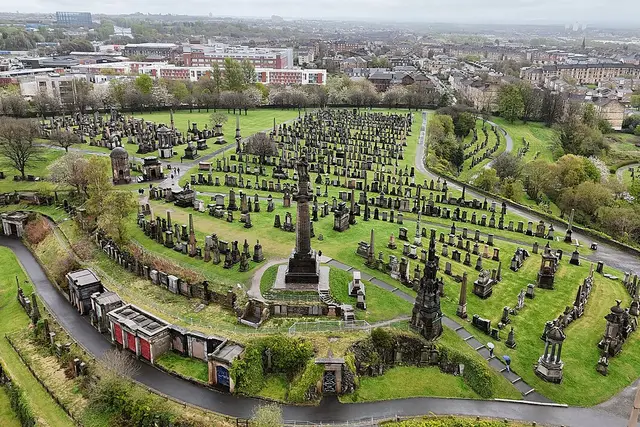
The Glasgow Necropolis: Travel Guide (4.7★)
The Glasgow Necropolis is a Victorian hillside cemetery on Castle Street, directly east of Glasgow Cathedral in the city's old East End, reached by crossing the Bridge of Sighs from Cathedral Square. 4.7★ (1,330 reviews) — what visitors say, hours, and tips.
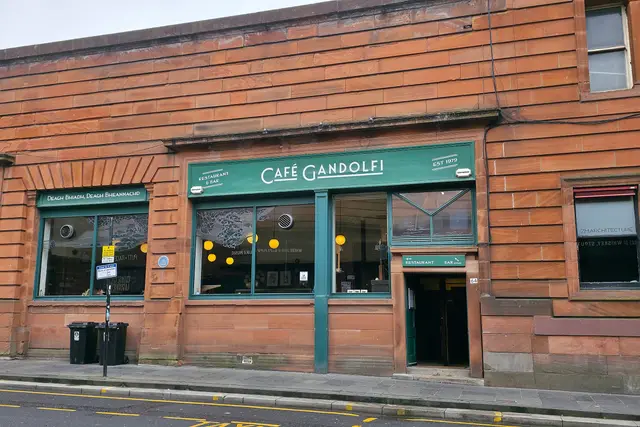
Hidden gems
 hidden gem
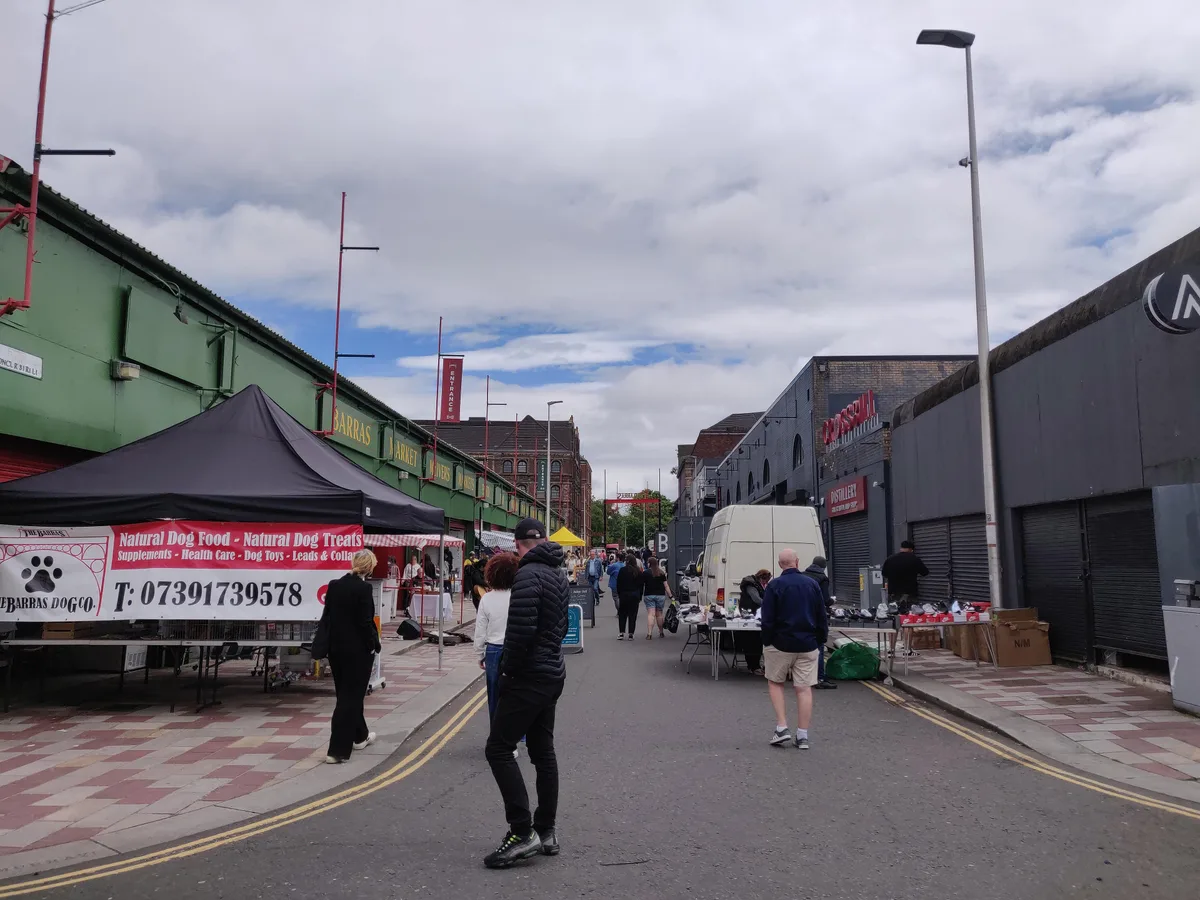
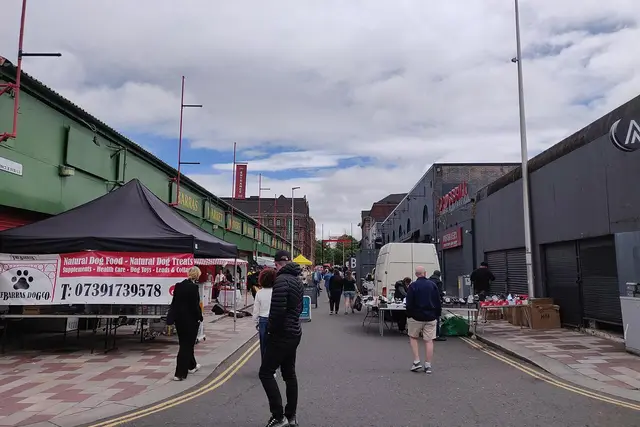
Barras Market: Glasgow Travel Guide (4.0★)
Barras Market is Glasgow's long-running weekend market on the Gallowgate in the East End, selling bric-a-brac, vintage goods and antiques. 4.0★ (3,424 reviews) — what visitors say, hours, and tips.
 hidden gem
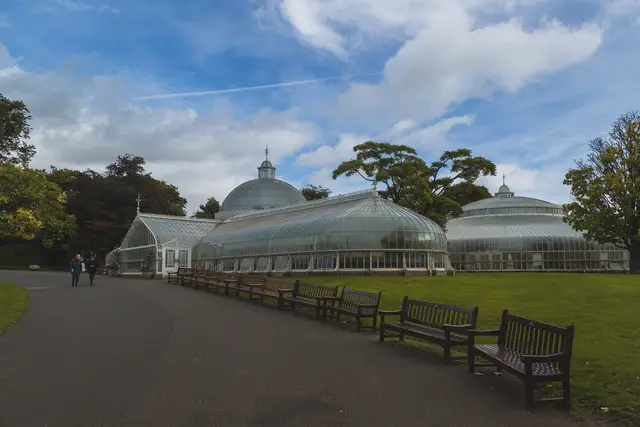
Kibble Palace: Glasgow Travel Guide (4.8★)
Kibble Palace is the domed Victorian glasshouse inside Glasgow Botanic Gardens in the West End, a short walk from Hillhead subway station. 4.8★ (873 reviews) — what visitors say, hours, and tips.
 hidden gem
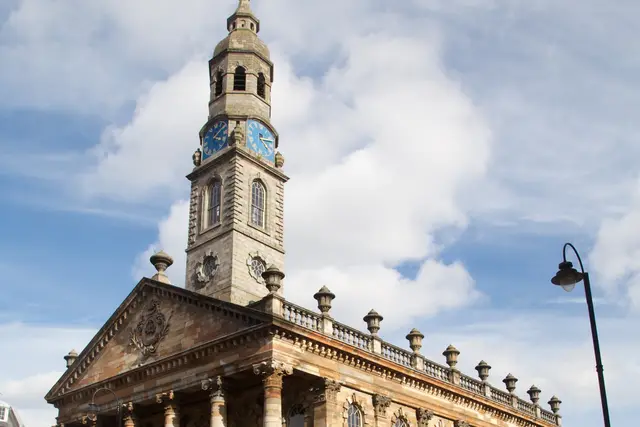
St Andrew's in the Square: Glasgow Travel Guide (4.6★)
St Andrew's in the Square is a restored 18th-century church a few minutes' walk from Glasgow Cross in the Merchant City. 4.6★ (266 reviews) — what visitors say, hours, and tips.
Top-rated things to do in Glasgow
Booking links are affiliate links — booking through them supports our free guides at no extra cost to you.
Where to stay in Glasgow
Compare Glasgow hotels and stays at the lowest price — deals, ratings, and real traveler reviews.
Search hotels in Glasgow →Booking links are affiliate links — booking through them supports our free guides at no extra cost to you.
Plan your trip to Glasgow
United Kingdom eSIM & staying connected →
Some links above are affiliate links — if you book through them, Wander Atlas earns a small commission at no extra cost to you. It's how we keep every guide free.
When to visit United Kingdom: month-by-month weather, crowds and holidays →
Frequently asked questions about Glasgow
How do I get to Glasgow?
Most travellers arrive via Glasgow Airport (GLA), which has no direct rail link; instead, the Glasgow Airport Express bus runs straight into the city centre, dropping at Glasgow Central and Queen Street stations in roughly 15 to 25 minutes depending on traffic. Those coming by rail from elsewhere in the UK typically arrive at Glasgow Central, the terminus for services from London and the south.
How many days should I spend in Glasgow?
Two to three days is enough to cover the city centre, the West End and its museums, and a night out in the music venues, though culture lovers often stretch it to four or five.
What is Glasgow known for?
Glasgow trades Edinburgh's postcard prettiness for something grittier and more alive: a former industrial powerhouse turned into Scotland's creative capital, famous for Charles Rennie Mackintosh's Art Nouveau buildings, a fiercely loyal live music scene and a warmth of welcome locals call "patter". It sits on the River Clyde, the artery that once built ships for the world and now anchors museums, galleries and riverside regeneration.