Thailand · Region
Sukhothai
Sukhothai was the first capital of Siam, and its Historical Park preserves the brick-and-stucco ruins of temples, Buddha images, and royal monuments spread across a UNESCO World Heritage-listed old city. Rather than a single monument, it offers a wide, largely flat landscape of ruins best explored slowly by bicycle among ponds, laterite walls, and old city gates.
Top attractions
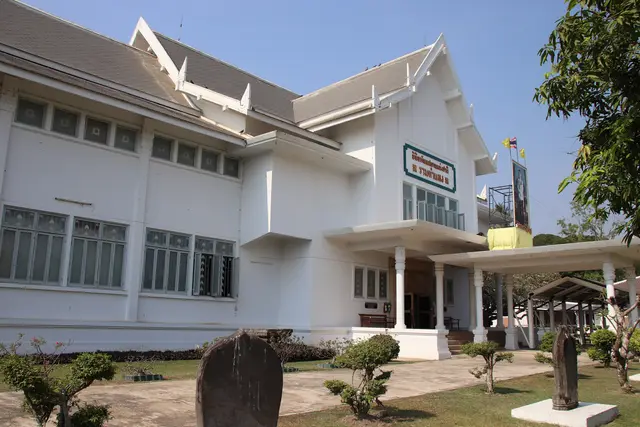 attraction
 Ramkhamhaeng National Museum: Sukhothai Travel Guide (4.4★)
Ramkhamhaeng National Museum sits inside Sukhothai Historical Park in Mueang Kao, open daily 9am to 4pm. 4.4★ (329 reviews) — what visitors say, hours, and tips.
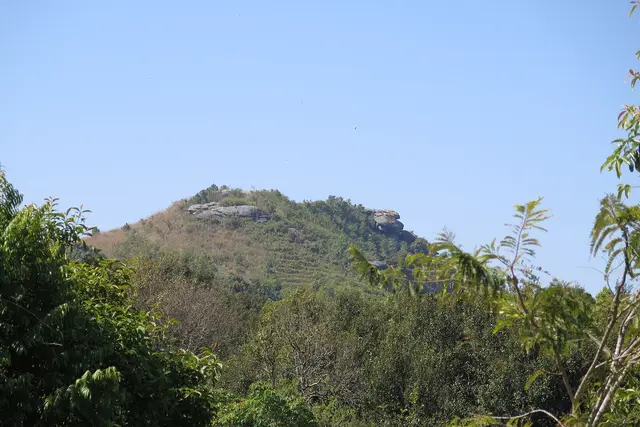 attraction
 Ramkhamhaeng National Park: Sukhothai Travel Guide (4.7★)
Ramkhamhaeng National Park sits in the Khao Luang range about 25-30km west of Sukhothai's Old City, and it's still quiet enough to count as an under-the-radar day trip. 4.7★ (1,435 reviews) — what visitors say, hours, and tips.
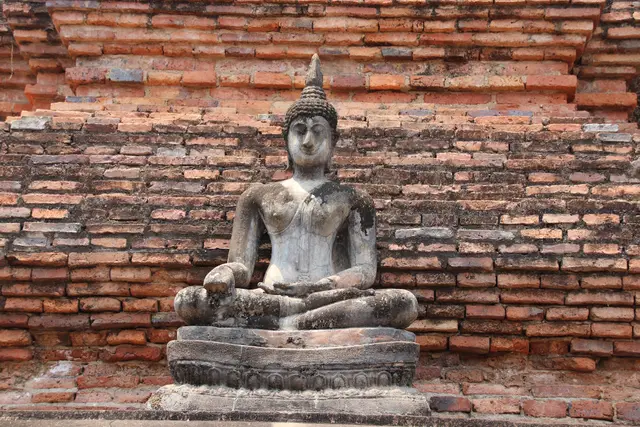 attraction
 Sukhothai Buddha Park: Travel Guide (4.5★)
Sukhothai Buddha Park is a quiet, gently overgrown compound of Buddha statues on Soi Si Sukho, open daily 6am–6pm, that most visitors pair with a bike ride around the nearby Sukhothai Historical Park. 4.5★ (165 reviews) — what visitors say, hours, and tips.
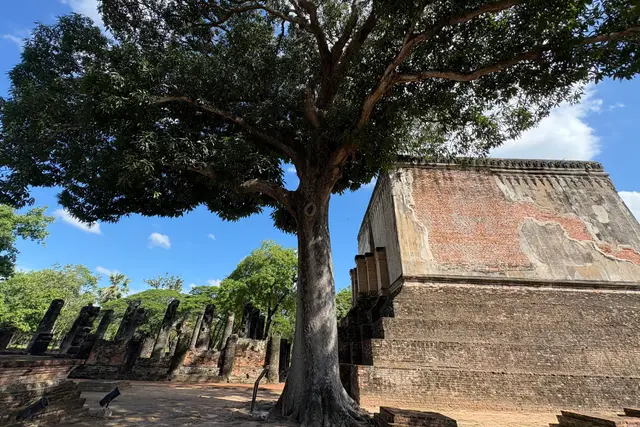 attraction
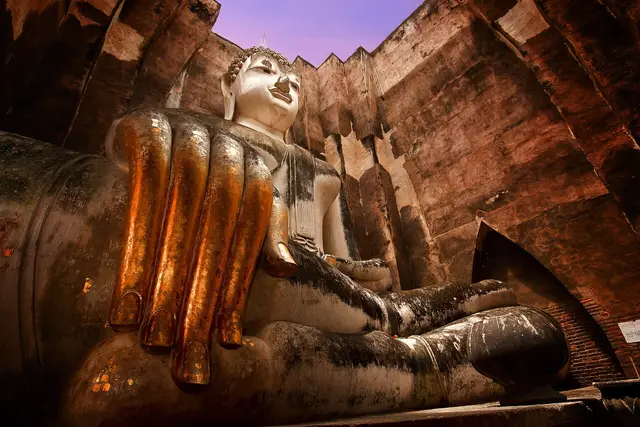
 Wat Si Chum: Sukhothai Travel Guide (4.8★)
Wat Si Chum sits in Sukhothai Historical Park's outer zone, northwest of the main walled city, and it's open daily from 7:30 AM to 5:00 PM. 4.8★ (5,126 reviews) — what visitors say, hours, and tips.
Top-rated things to do in Sukhothai
Live prices from Klook. Booking through these links supports our free guides at no extra cost to you.
Where to stay in Sukhothai
Compare Sukhothai hotels and stays at the lowest price — deals, ratings, and real traveler reviews.
Search hotels in Sukhothai →Booking links are affiliate links — booking through them supports our free guides at no extra cost to you.
Plan your trip to Sukhothai
Some links above are affiliate links — if you book through them, Wander Atlas earns a small commission at no extra cost to you. It's how we keep every guide free.
When to visit Thailand: month-by-month weather, crowds and holidays →
Frequently asked questions about Sukhothai
How do I get to Sukhothai?
Sukhothai has its own small airport (THS), served by Bangkok Airways with flights to/from Bangkok, but most travellers arrive overland: direct buses run from Bangkok and Chiang Mai, or you can take the train to the regional rail junction at Phitsanulok and continue to Sukhothai by onward bus or taxi. There is no railway station in Sukhothai itself, so the train option always involves this bus or taxi connection from Phitsanulok.
How many days should I spend in Sukhothai?
Plan on ~2 days: one full day to explore the Historical Park's central and outer zones by bicycle, plus time to settle in and explore New Sukhothai or nearby sites like Si Satchanalai.
What is Sukhothai known for?
Sukhothai was the first capital of Siam, and its Historical Park preserves the brick-and-stucco ruins of temples, Buddha images, and royal monuments spread across a UNESCO World Heritage-listed old city. Rather than a single monument, it offers a wide, largely flat landscape of ruins best explored slowly by bicycle among ponds, laterite walls, and old city gates.