Seven categories, one long day of throws
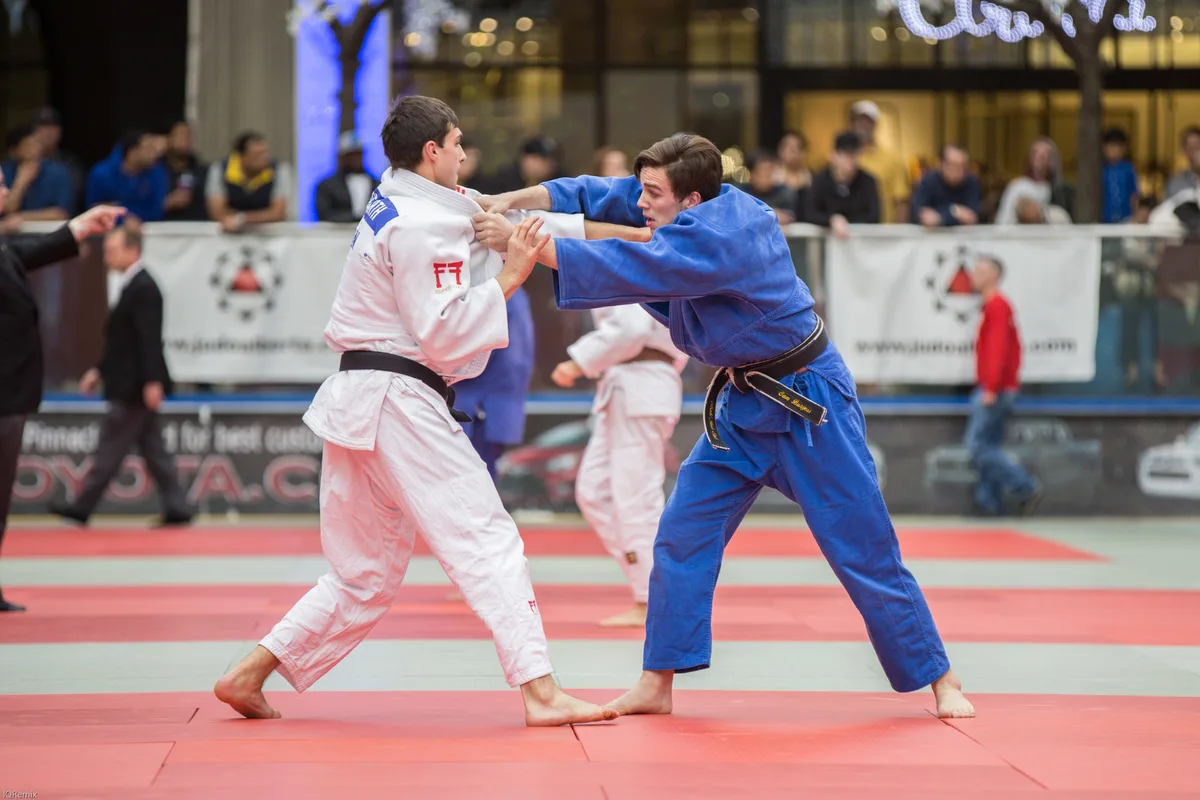
Judo rewards the patient spectator. At the International Judo Federation Cairo African Open 2026, the day opens with several mats running at once. Pairs of athletes in white and blue judogi bow in, grip up, and try to end it with a single clean throw.
The event carries 2026 in its name, but the announced date is January 20, 2027. It draws competitors from across Africa and beyond, along with the coaches, team staff and fans who follow the circuit from city to city.
Where a Continental Open sits
Continental Opens are a tier of the IJF World Tour below the Grand Prix and Grand Slam events. They are the working end of the circuit. Athletes go to them to gather world-ranking points, test themselves against new opponents and move up toward bigger draws.
For a spectator, that means a mix of names. Established international fighters chasing points share the bracket with younger judoka in their first senior seasons. Egypt has long been one of the stronger judo nations in Africa, so home athletes tend to get the loudest support in the hall.
How the mat works
The structure is easy to follow once you know it. Each weight category runs as a knockout bracket, and fighters who lose to an eventual finalist go into the repechage. That is why every category awards two bronze medals.
A few things help you follow the scoring:
- Ippon ends the contest at once. It is usually a throw that lands the opponent flat on the back with control.
- Waza-ari is a smaller score. Two of them add up to ippon.
- Golden score decides a contest still level after regulation time, with the first score winning.
- Shido penalties go to passivity and illegal grips. A third shido loses the contest.
Preliminary rounds on the circuit usually fill the earlier hours. The repechage, bronze and gold contests are grouped into a final block, when the number of mats in use drops and the whole hall watches one contest.
Getting to the hall and getting in
The International Judo Federation publishes the venue, the session schedule and any spectator ticketing for the Cairo African Open on ijf.org. The IJF also streams World Tour events, so fans abroad usually follow along on its live channel.
Cairo is large, and its traffic is slow at the best of times. Visitors typically get around by ride-hailing apps such as Uber and Careem, which are widely used in the city. The Cairo Metro covers the main corridors and avoids the road traffic, though most visitors still finish the trip by car.
People who only want the medal contests usually turn up for the final block, not the morning preliminaries. Some fans stay for the whole day and pick their favourite categories from the draw.
Manners in the stands
Judo has its own etiquette, and the crowd tends to follow it. Athletes bow at the edge of the mat and again to each other, and the referee runs the contest with hand signals, not shouts. Spectators cheer throws and big moments but go quiet during the formal bows.
A few habits of regular judo audiences:
- Seating near a single mat gives you the clearest view during the busy preliminary rounds.
- Coaches sit in marked chairs beside the mat, and fans leave that area to them.
- At the medal ceremonies, fans usually stand for the anthem of the gold medallist.
- Egyptian fans are vocal. Chanting for home athletes is normal, and visiting supporters bring flags too.
Friday is the main day of prayer in Egypt, and many offices and shops keep shorter or different hours around midday. This matters if your trip around the event takes in the city’s mosques and markets.
Cairo in late January
January is one of the more comfortable months in Cairo. Days are mild and dry, and evenings turn cool enough that people carry a jacket or light sweater. That makes it a good season to add sightseeing on either side of competition day.
Most visitors pair the trip with the classic sights:
- The Giza Pyramids and the Great Sphinx, on the city’s western edge.
- The Egyptian Museum on Tahrir Square, and the Grand Egyptian Museum near Giza.
- Islamic Cairo, including the Al-Azhar Mosque and the Khan el-Khalili bazaar.
- The Citadel of Saladin with the Mosque of Muhammad Ali on its hilltop.
Judo fans usually treat competition day as one full day and spread the sights over the days around it. Cairo’s distances and traffic make it hard to pack the pyramids and a full tournament session into a single day.
Frequently asked questions
When is the IJF Cairo African Open 2026?
It takes place in Cairo on January 20, 2027. The edition carries 2026 in its name, but the announced date falls in January 2027.
Where is the venue and where are tickets sold?
The International Judo Federation publishes the venue, session schedule and spectator details on its official site, ijf.org. The IJF also streams World Tour events for fans following from abroad.
What kind of event is a Continental Open?
It is a tier of the IJF World Tour below the Grand Prix and Grand Slam. Athletes enter it to earn world-ranking points, and the field mixes established international judoka with rising seniors.
How long should I spend at the competition?
Preliminary rounds usually take up the earlier hours, and the repechage, bronze and gold contests come in a final block. Many spectators come only for that final session, while dedicated fans stay all day.
What else is there to do in Cairo in late January?
January days are mild and dry, which suits sightseeing. Visitors usually add the Giza Pyramids, the Egyptian Museum on Tahrir Square, the Grand Egyptian Museum, Khan el-Khalili and the Citadel of Saladin on the days around the event.
Plan your trip to Cairo
Egypt eSIM & staying connected →
Some links above are affiliate links — if you book through them, Wander Atlas earns a small commission at no extra cost to you. It's how we keep every guide free.
Related guides
 Ended
Cairo International Art Festival: Dates, Tickets & Venue (Cairo)
 Ended
Cairo International Film Festival: Dates, Tickets & Venue (Cairo)
 event
Cairo Marathon (Cairo Half Marathon): Dates, Tickets & Venue (Cairo)
 event