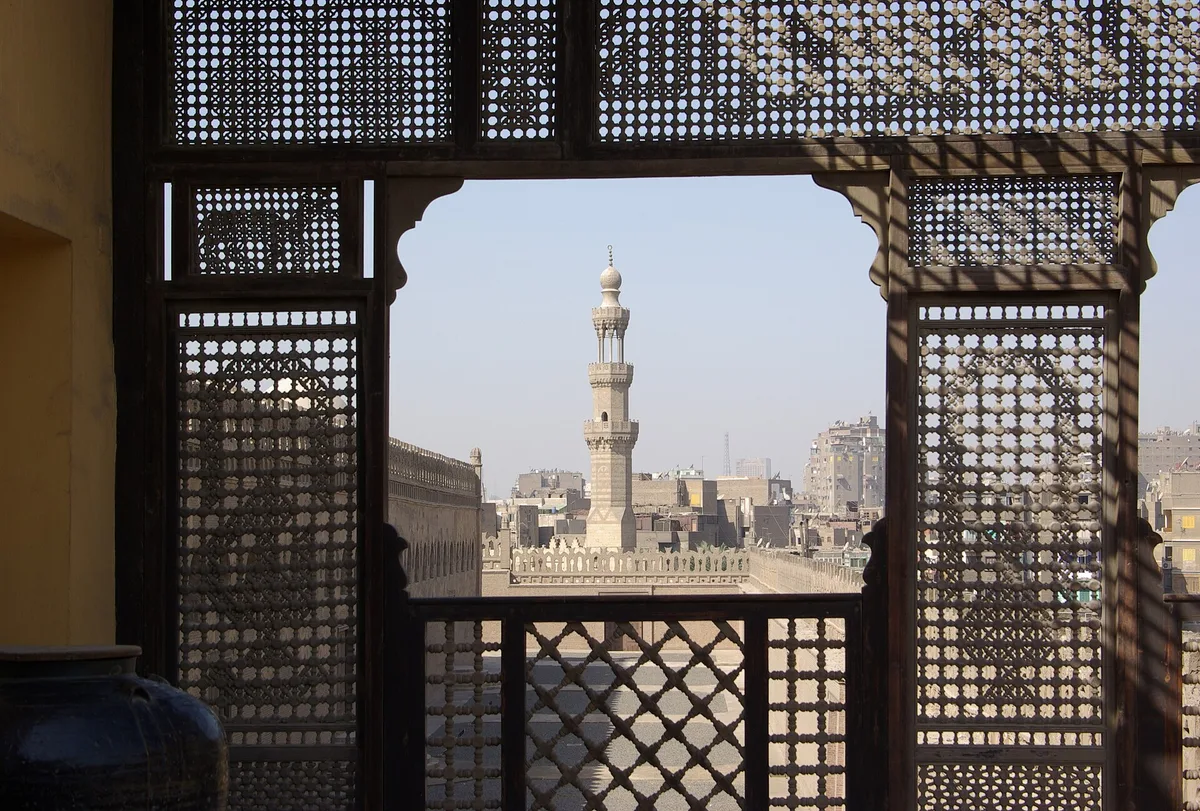
Two houses, one wall
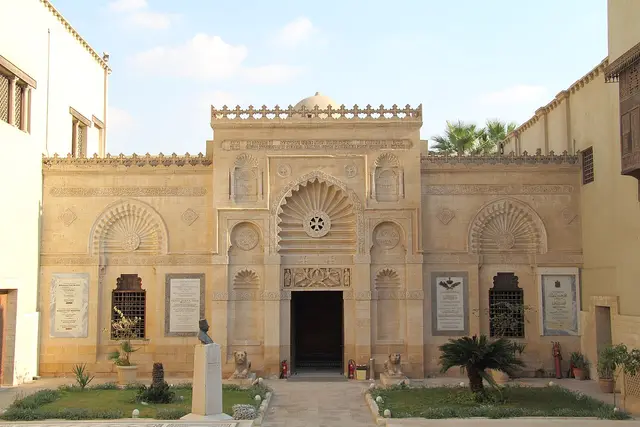
You get in through a plain door in the stone flank of the Mosque of Ibn Tulun. Behind it are two merchant houses joined by a bridge at upper-floor level. The older one dates from 1540. The second is the 17th-century Bayt al-Kritliyya, the “House of the Cretan Woman”, and it gives the museum its other name.
Major Robert Gayer-Anderson, a British army doctor and collector, lived here from 1935 to 1942. He filled the rooms with furniture, carpets, costumes and objects from across the Islamic world and Asia. Then he left the lot to the Egyptian state. The house is still arranged the way he set it out, so it feels like a home with labels rather than a gallery.
Inside the rooms
The best thing here is the architecture. These rooms show you how a wealthy Cairene household was laid out:
- The qa’a: a double-height reception hall with a marble floor, a central fountain and raised seating alcoves.
- Mashrabiya screens: turned-wood lattices that let the women of the house watch the hall below without being seen.
- Themed rooms: Gayer-Anderson’s Persian, Damascus and Chinese rooms, fitted with panelling and pieces from each region.
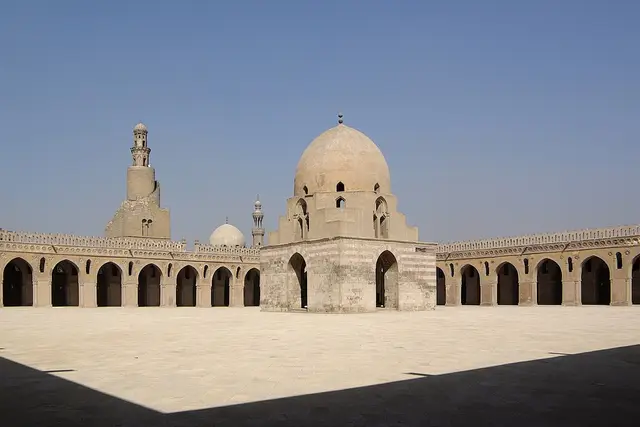
- The roof terrace: it looks straight onto Ibn Tulun’s crenellated walls and spiral minaret.
Film fans will recognise the house from The Spy Who Loved Me (1977). Local legend says it was built over a well that leads to a sunken palace of jinn.

Getting to Sayeda Zeinab
The nearest metro stop is Sayeda Zeinab (Line 1). From there it’s a 15–20 minute walk east through ordinary working streets. A taxi or ride-hail to “Gamaa Ibn Tulun” is easier, and every driver knows it.
Within walking distance you have:
- The Mosque of Ibn Tulun: finished in 879 and one of the oldest mosques in Cairo in its original form. Its vast courtyard and outside-stair minaret are right beside you.
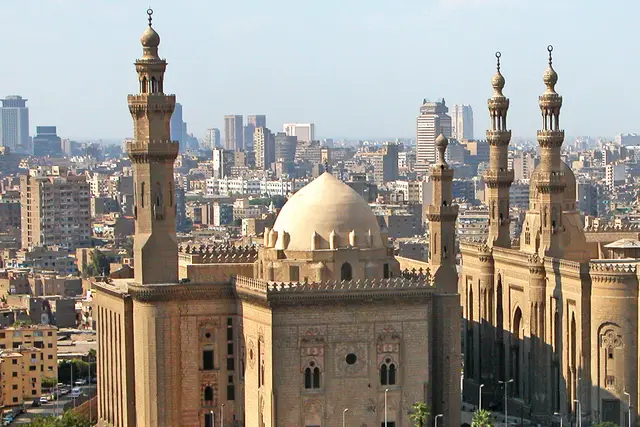
- Sultan Hassan and Al-Rifa’i mosques: a short walk north at Midan Salah al-Din.
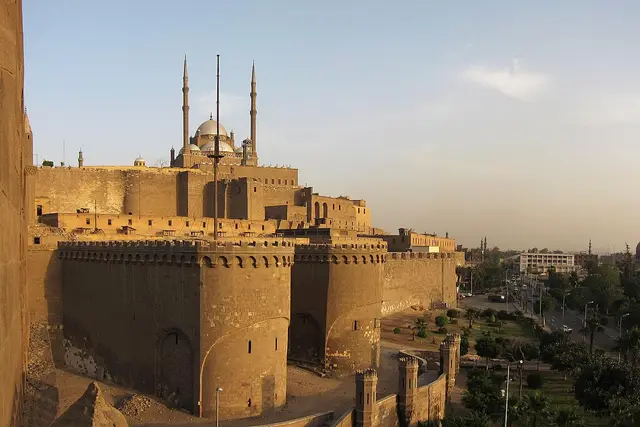
- The Citadel of Saladin: on the ridge above those two mosques.
Making the most of an hour here
Buy your ticket at the window by the entrance. The current price is posted there. Photography rules change from time to time, so ask at the desk before you take your camera out.
Custodians often guide you through rooms you might miss. They unlock a door, point out the view through a mashrabiya, then expect a small tip. Carry low-denomination Egyptian pound notes, because change is scarce. If you’d rather explore on your own, a polite “la, shukran” (no, thank you) is fine.
Plan the day in order: Ibn Tulun first, then this museum, then the mosques at Salah al-Din. Morning light is softest on the mosque courtyard and the stone is cooler underfoot. Dress for a mosque visit, with shoulders and knees covered and a scarf for women, so you don’t need to change between stops. Remember the 5pm close here applies to this week only.
Frequently asked questions
How do I get to the Gayer-Anderson Museum?
Take Metro Line 1 to Sayeda Zeinab, then walk about 15–20 minutes east. Or take a taxi to the Mosque of Ibn Tulun: the museum's entrance is on the mosque's outer wall.
How long should I spend there?
About an hour for the house and the roof terrace. Add another 30–45 minutes for the Mosque of Ibn Tulun next door.
What are the opening hours?
Right now it opens 9am–5pm every day. Museum hours change through the year and on holidays, so check the official site or the gate before you go.
Should I tip the guides inside?
Custodians often show visitors around and expect a small tip in cash. Carry small Egyptian pound notes, or politely say no if you'd rather go round alone.
What else is nearby?
The Mosque of Ibn Tulun shares a wall with the museum. The Sultan Hassan and Al-Rifa'i mosques and the Citadel are a short walk north-east.
Plan your trip to Cairo
Egypt eSIM & staying connected →
Some links above are affiliate links — if you book through them, Wander Atlas earns a small commission at no extra cost to you. It's how we keep every guide free.