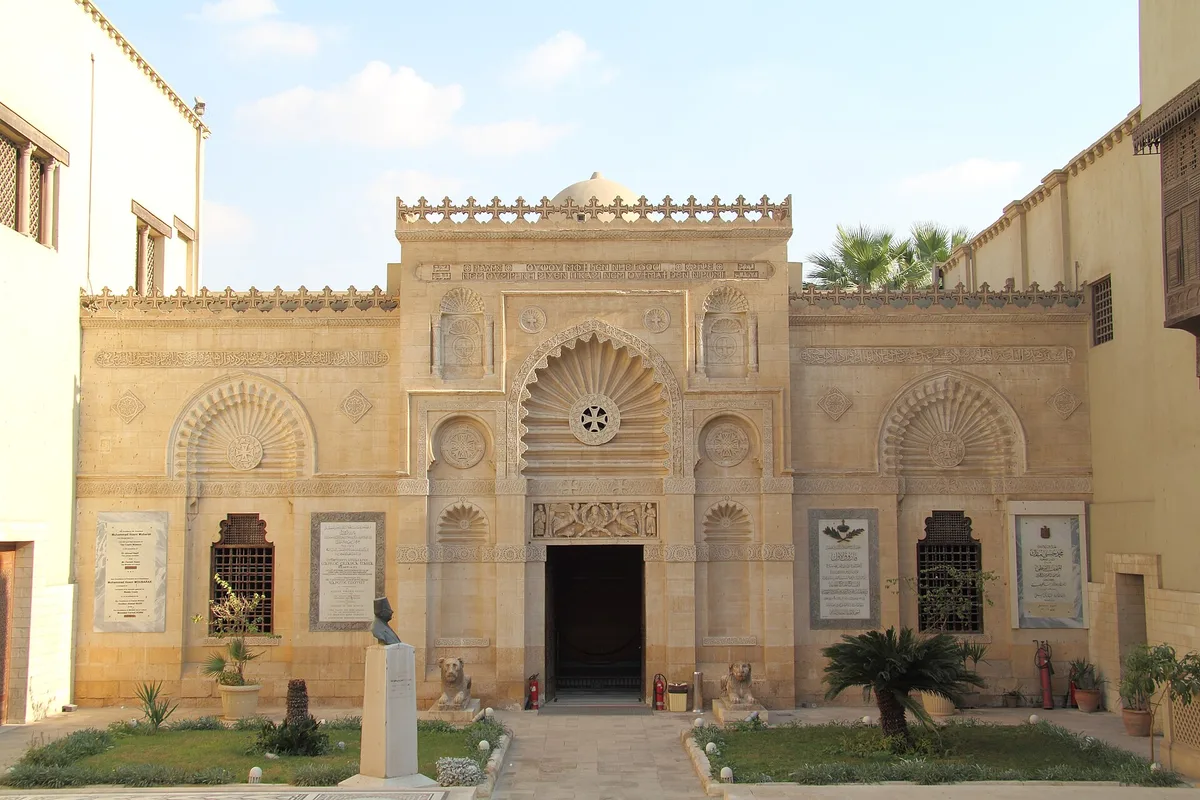
Through the gate on Mari Gerges
The museum fills a 1908 building tucked against the Roman walls of Babylon Fortress. Its founder, Marcus Simaika, gathered pieces from Coptic churches and monasteries. He also salvaged woodwork from old Cairo houses, so the building is part of the display: carved mashrabiya screens filter the light, and painted wooden ceilings run overhead.
Between the two wings is a planted courtyard with benches. It is the obvious place to sit down halfway through. Hold onto your ticket while you are in there.
What to look for inside
The galleries move roughly in date order, from late Roman Egypt into the Islamic period. Some stone pieces still have Pharaonic and Greek motifs, carved within a century or two of the first crosses. Pieces to find:
- Nag Hammadi codices: leather-bound Gnostic texts found in Upper Egypt in 1945, among the museum’s best-known holdings.
- The Psalter from al-Mudil: a complete early book of Psalms in Coptic, found in a girl’s grave.
- Stone friezes from Bawit and Saqqara: carved niches and capitals from the monasteries of Apa Apollo and Apa Jeremiah.
- Coptic textiles: woven tunic panels and roundels with dancers, birds and vines.
- Icons and carved wooden doors: many taken from Old Cairo churches you can visit next door.
The labels are in English and Arabic but brief. Background reading beforehand helps you get more from the visit.

Timing and the walk around it
The museum currently opens 9am–5pm every day. Museum hours in Egypt can change around holidays and Ramadan, so check the official Ministry of Tourism and Antiquities listings before you go. Crowds are lightest from 9am to 10am on both weekdays and weekends.
Try not to arrive between 12pm and 3pm on weekends. That is when tour groups doing a half-day loop of Coptic Cairo arrive together and the textile rooms get crowded. Leave the museum for last, after the churches, and you will meet those groups head-on.
The rest of the compound is within a few minutes’ walk:
- The Hanging Church (al-Muallaqa): built over the fortress gatehouse, up a flight of steps.
- Abu Serga (Sts Sergius and Bacchus): tradition places the Holy Family’s refuge in its crypt.
- Ben Ezra Synagogue: where the Cairo Geniza documents were found.
- Church of St George: the round church beside the metro exit.
Getting in at Mar Girgis
Take Metro Line 1 to Mar Girgis station. The fortress towers stand right beside the platform exit, and the museum entrance is a short walk along Mari Gerges Street. Taxis and ride-hail cars drop off on the same road.
Expect airport-style bag screening at the entrance to the compound, and again at the museum door. Carry your passport. The current ticket price is posted at the ticket window and on the ministry’s official site.
Photography rules can differ between galleries and change over time, so ask at the desk before you take your camera out. The churches nearby are working places of worship. Cover your shoulders and knees, and speak quietly if a service is on. Guides wait around the gate. If you hire one, agree on what they will cover before you start.
Frequently asked questions
How do I get to the Coptic Museum?
Take Cairo Metro Line 1 to Mar Girgis station. The museum is a short walk along Mari Gerges Street, beside the Babylon Fortress towers.
When is the quietest time to visit?
Between 9am and 10am, on both weekdays and weekends. Avoid weekends from 12pm to 3pm, when it is busiest.
What are the opening hours?
At the moment it opens 9am–5pm every day. Hours can change around holidays and Ramadan, so confirm on the official ministry site before you go.
How long should I spend there?
Allow 1.5–2 hours for the museum. Add another 1–2 hours for the Hanging Church, Abu Serga and Ben Ezra Synagogue nearby.
What should I not miss?
The Nag Hammadi codices, the al-Mudil Psalter, the carved stone from the Bawit and Saqqara monasteries, and the woven Coptic textiles.
Plan your trip to Cairo
Egypt eSIM & staying connected →
Some links above are affiliate links — if you book through them, Wander Atlas earns a small commission at no extra cost to you. It's how we keep every guide free.
Related guides
 hidden gem
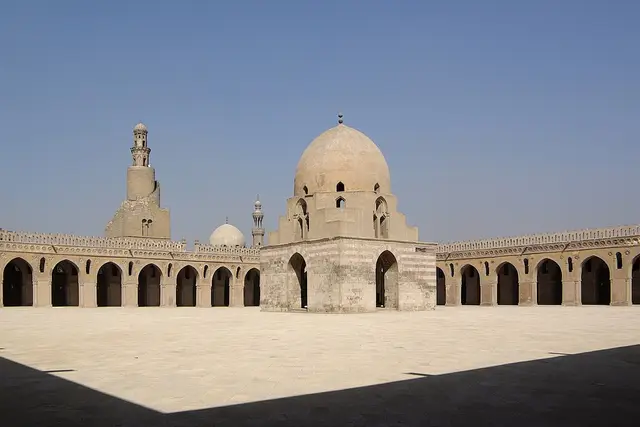
Mosque of Ibn Tulun: Cairo Travel Guide (4.7★)
 hidden gem
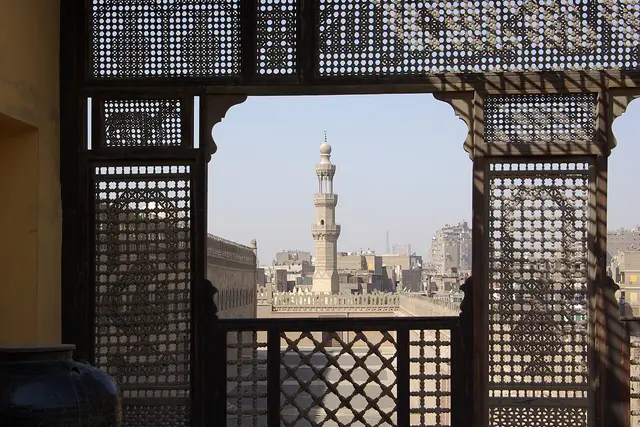
Gayer-Anderson Museum: Cairo Travel Guide (4.6★)
 attraction
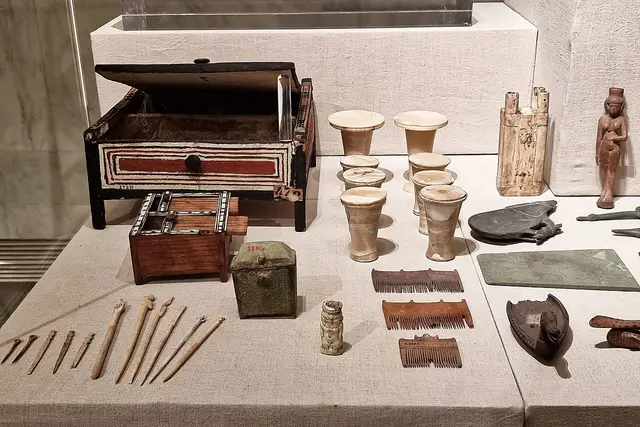
The National Museum of Egyptian Civilization: Cairo Travel Guide
 attraction