One Sunday under the silver roof
LE SSERAFIM plays Kyocera Dome Osaka on December 20, 2026. That date is a Sunday, the last weekend before Christmas.
The building is easy to spot from a train window. It has a ribbed, stepped silver roof, which locals compare to a UFO set down beside the Kizu and Shirinashi rivers. It opened in 1997 and is home to the Orix Buffaloes baseball team. For concerts, the field becomes a floor of seats that faces a stage at one end.
For FEARNOT, a dome show in Japan is the top tier of touring. Only a few acts fill a building this size. The group has two Japanese members: Sakura, who came up through Japanese idol groups before joining, and Kazuha. That gives a Japanese date extra weight, and the crowd usually knows every word.
Three lines into the dome
Several stations sit within walking distance, so the crowd spreads out before it reaches the gates.
- Dome-mae Chiyozaki Station (Osaka Metro Nagahori Tsurumi-ryokuchi Line): the closest, with exits that open almost onto the dome’s forecourt.
- Dome-mae Station (Hanshin Namba Line): this is the direct link from Osaka Namba and from Kobe-Sannomiya, which suits fans staying west of the city.
- Taisho Station (JR Osaka Loop Line and the Nagahori Tsurumi-ryokuchi Line): about a ten-minute walk over the river, and the usual choice for anyone coming from Osaka or Tennoji on JR.
Most fans tap in with an IC card such as ICOCA, or with one on their phone. Fewer people end up queuing at ticket machines that way. Taxis struggle near the dome after a show, so the trains do most of the work.
Lotteries, ID checks and the goods line
This is how a Japanese dome show works for the fans in the seats.
Tickets for big K-pop dates in Japan are usually allocated by lottery (抽選, chūsen), not first come, first served. The official Japan fan club runs the first round, followed by general rounds on Japanese ticketing platforms. Seats are often printed or revealed only shortly before the day. Many tickets are digital and tied to one phone.
- ID matters. Japanese promoters commonly check photo ID against the ticket name at entry. Overseas fans bring their passport.
- Resale is restricted. Japan’s ticket resale law bans scalping, and venues turn away resold tickets. Fans who can’t attend use the official trade or resale service, where one exists.
- Goods (グッズ, guzzu) come first. The merchandise line forms hours before the doors open. Many fans buy online through official goods pre-orders so they can skip it.
- Light sticks are official only. The group’s official light stick is the norm. Japanese venues commonly ban homemade signs above head height and anything else that blocks the view.
Inside, people stay in their own seat and keep phones down when filming is not allowed. Fans cheer hard but in an orderly way. Fan chants, the call-outs shouted during songs, are a big part of it, and Japanese fans learn them carefully.
Floor, stands and the long view
The stadium layout explains a lot about where you end up sitting.
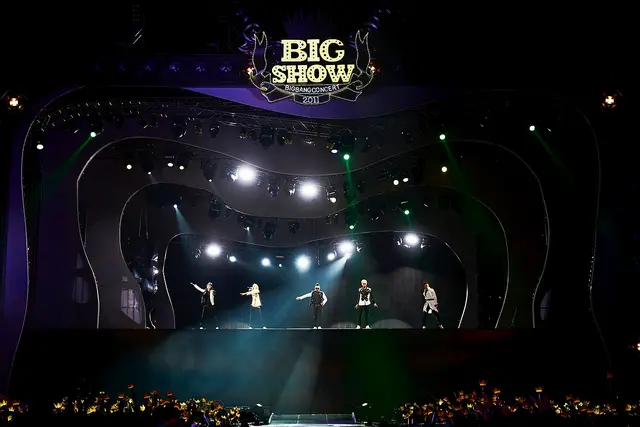
Floor seats, called arena (アリーナ) on Japanese tickets, fill the baseball field. They are flat, so sightlines depend heavily on the block number. The lower and upper stands rise steeply around the field, and the upper tier sits high under the roof. Big screens either side of the stage make the far seats work, and fans in the upper stands often bring binoculars.
Dome stages usually extend into the crowd with runways or a centre stage. A seat far from the main stage can still end up close to the members at some point in the set. The dome is fully enclosed, so the December weather stays outside. Inside, the show is about lighting and screens.
Osaka at its brightest week
December 20 falls in the middle of the city’s winter illumination season. That works well for anyone making a weekend of it.
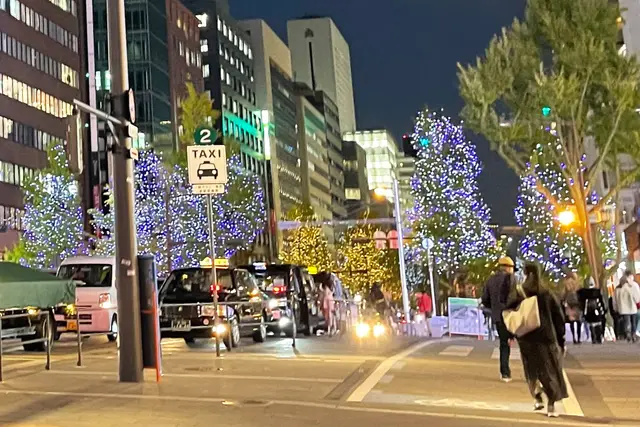
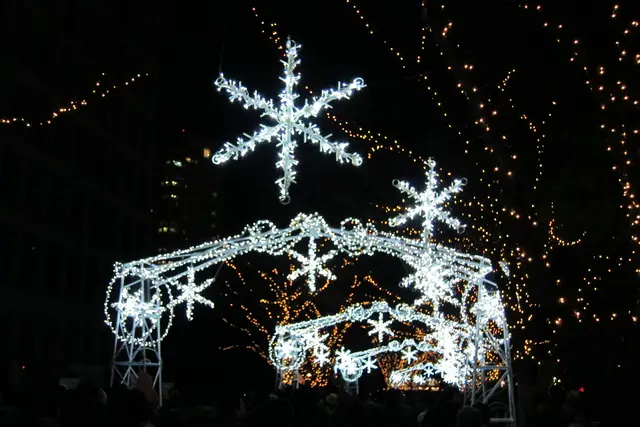
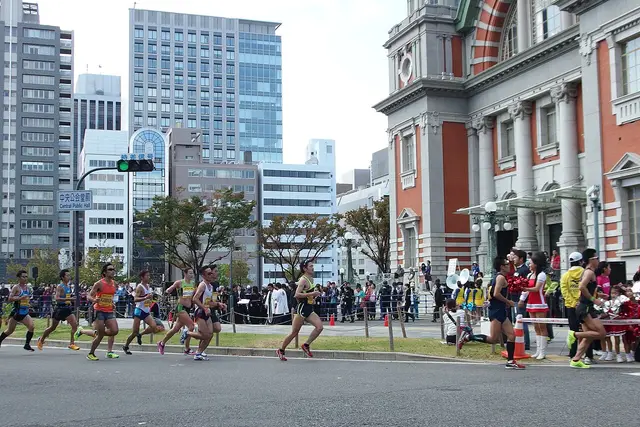
The Midosuji illumination usually lights the trees along Midosuji boulevard, between Umeda and Namba, through December. Osaka Hikari Renaissance usually lights up Nakanoshima, the river island with the domed Osaka City Central Public Hall. Both are an easy evening on the train, so a lot of visitors see them on the Saturday and keep Sunday for the concert.
A Sunday show has one practical catch: Monday morning. Fans flying out or taking the shinkansen on December 21 often stay near Namba or Shin-Osaka. That keeps the trip to Kansai Airport or the bullet train short.
Where FEARNOT stay and eat
Most out-of-town fans base themselves in Namba or Shinsaibashi. The Hanshin Namba Line runs from Osaka Namba straight to Dome-mae. The Dotonbori canal, the Glico running-man sign and the takoyaki stands are all a short walk away, so the evening carries on after the train back.
Bentencho and Kujo are closer to the dome and quieter. The Kujo shotengai, a covered shopping arcade, is lined with small eateries and is a local way to eat before or after the show. Fans also use Umeda for its hotel stock. It connects to Taisho on the JR Loop Line in a few stops.
Shin-Okubo in Tokyo is Japan’s best-known K-pop strip. In Osaka, the equivalent is Tsuruhashi, the city’s Korea Town on the JR Loop Line. Its alleys of Korean grocers, cosmetics shops and idol goods stores draw fans on the day before a big show.
After the encore
Getting out of a full dome takes patience, and the exits follow a system.
Japanese dome concerts commonly use staggered exit (規制退場, kisei taijō). Staff release the crowd block by block, announced over the speakers, and the stands wait their turn. It feels slow, but the stations stay manageable that way.
At the stations, attendees typically split by direction. Taisho gets the JR crowd, and Dome-mae takes those heading for Namba and Kobe. Some fans walk the ten minutes to Taisho on purpose because the platforms there are larger. Others just eat nearby and let the first wave of crowds pass.
Frequently asked questions
When and where is the LE SSERAFIM Osaka concert?
It takes place on Sunday, December 20, 2026, at Kyocera Dome Osaka in Nishi-ku, Osaka. The dome is the silver-roofed stadium by the Kizu River and home of the Orix Buffaloes.
What is the nearest station to Kyocera Dome Osaka?
Dome-mae Chiyozaki Station on the Osaka Metro Nagahori Tsurumi-ryokuchi Line is the closest. Dome-mae Station on the Hanshin Namba Line runs directly from Osaka Namba. Taisho Station on the JR Osaka Loop Line is about a ten-minute walk away.
How do tickets for LE SSERAFIM dome shows in Japan usually work?
Japanese dome tickets are typically allocated by lottery. The official Japan fan club runs the first rounds, then general rounds open on Japanese ticketing platforms. Tickets are often digital and tied to the buyer's name. Photo ID is commonly checked at entry, and resold tickets are refused under Japan's anti-scalping law.
Where do fans usually stay for a Kyocera Dome concert?
Namba and Shinsaibashi are the most popular bases because the Hanshin Namba Line runs straight to Dome-mae. Bentencho and Kujo are closer and quieter. Umeda and Shin-Osaka suit anyone leaving by shinkansen the next morning.
What else is there to do in Osaka that weekend?
Mid-December usually brings the Midosuji illumination and Osaka Hikari Renaissance on Nakanoshima. Tsuruhashi, Osaka's Korea Town on the JR Loop Line, draws K-pop fans for its Korean food and idol goods shops.
Plan your trip to Osaka
Japan eSIM & staying connected →
Some links above are affiliate links — if you book through them, Wander Atlas earns a small commission at no extra cost to you. It's how we keep every guide free.