Light on the Island Between Two Rivers
Nakanoshima is a narrow island between the Dojima and Tosabori rivers. For two weeks each December its stone and brick buildings become the backdrop for Osaka Hikari Renaissance. In Japanese it is OSAKA光のルネサンス, the longest-running part of the city’s wider winter light programme.
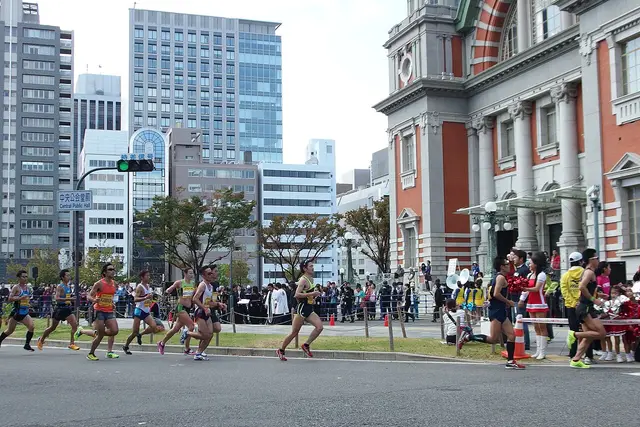
The centrepiece is Osaka City Central Public Hall. This red-brick and granite hall dates from 1918, and its arched façade faces the river. In earlier editions that façade carried large projection-mapping shows, and the lawns and promenades around it were lined with light installations.
Next door you’ll find:
- Osaka Prefectural Nakanoshima Library, with its domed, columned front
- Osaka City Hall, set back across a wide plaza
- The Bank of Japan Osaka Branch, near the Midosuji bridge
Dates, Entry and Tickets
The 2026 edition runs from December 11 to 25, which takes it right up to Christmas Day. Admission is free. There is no gate and no ticket, because the illuminations are outdoors on public walkways and plazas.
The organiser publishes nightly lighting hours and any timed shows on its official site. Projection shows run on a schedule, so visitors usually time their walk around them. The installations themselves stay lit for the whole evening.

Reaching Nakanoshima by Train
Three stations put you within a few minutes of the main area:
- Yodoyabashi (Midosuji Line, Keihan Line): the main approach from Umeda and Namba, via the Midosuji side of the island
- Kitahama (Sakaisuji Line, Keihan Line): closest to the Central Public Hall from the east
- Naniwabashi (Keihan Nakanoshima Line): opens directly beside the hall and the Rose Garden
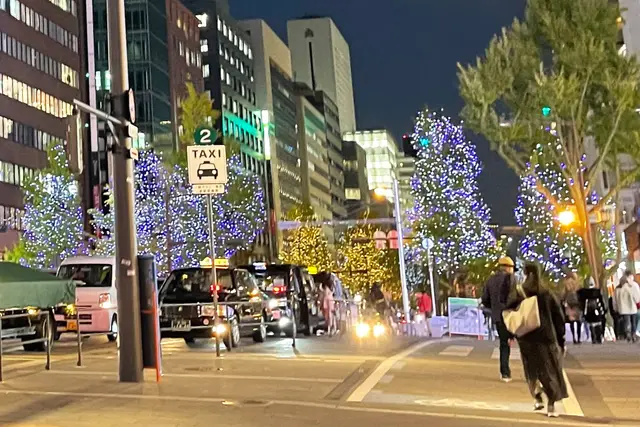
Most visitors cover the whole route on foot in one to two hours. Many link it with the Midosuji Illumination, the ginkgo trees along Midosuji avenue that are strung with lights through the same season. Walk south from Yodoyabashi and you are on it straight away.
Walking Nakanoshima After Dark
Crowd flow here follows the calendar. Weeknights early in the run are usually the easiest. Weekend evenings and the nights just before Christmas fill the promenades, because the 25th is the last night. Couples often come on Christmas Eve, since in Japan it is a date night more than a family evening.
How people usually behave on the route:
- Keep moving on the bridges. Staff with lit batons direct one-way flow at pinch points, and people follow them without argument.
- Stand back for the projections. Locals watch from the plaza or the far bank of the river, which shows the whole façade.
- Use a phone, not a tripod. Large tripods block the narrow paths and are generally discouraged at busy installations.
- Expect a cold riverside wind. Gloves come in handy, and convenience stores near Yodoyabashi sell hot canned drinks.
Food stalls and warm drinks are normally set up near the hall. Payment varies by vendor: some take IC cards like ICOCA, and many prefer cash. For a sit-down meal afterwards, the restaurants in the office towers around Yodoyabashi and Kitahama stay open into the evening. They are calmer than Umeda.
Rubbish bins are scarce here, as they are across Japan. Regulars carry their cups and wrappers back to the station.
Frequently asked questions
When is Osaka Hikari Renaissance 2026?
It runs from December 11 to 25, 2026, on Nakanoshima Island. The organiser publishes nightly lighting hours and show times on its official site.
Do I need tickets?
No. Admission is free and the illuminations are outdoors on public promenades, so there is no gate or ticket.
Which station is closest?
Naniwabashi on the Keihan Nakanoshima Line opens beside Osaka City Central Public Hall. Kitahama (Sakaisuji Line) and Yodoyabashi (Midosuji Line) are both a few minutes' walk away.
How long does a visit take?
Most visitors spend one to two hours walking the island. Adding the Midosuji Illumination along Midosuji avenue makes it a longer evening.
When is it least crowded?
Weeknights early in the run are usually calmer. Weekends and the nights before Christmas, especially Christmas Eve, draw the biggest crowds.
Plan your trip to Osaka
Japan eSIM & staying connected →
Some links above are affiliate links — if you book through them, Wander Atlas earns a small commission at no extra cost to you. It's how we keep every guide free.