A boulevard wrapped in light
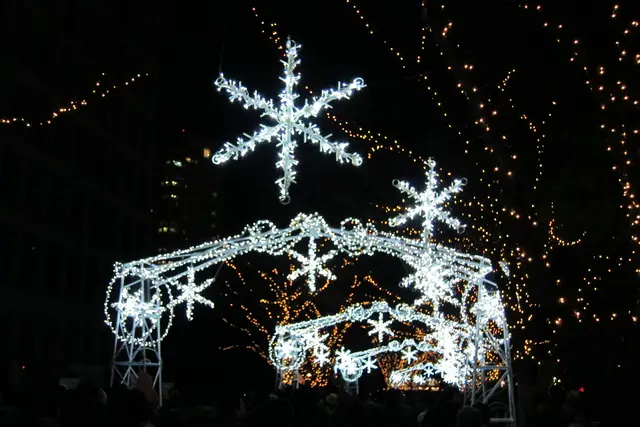
Midosuji is Osaka’s spine. The six-lane avenue runs north to south from Umeda to Namba, lined on both sides with rows of ginkgo trees. For the illumination, those trees are strung with lights along roughly four kilometres of the road. The result is a continuous corridor of light through the city’s business and shopping districts.
The 2026 edition runs nightly from November 3 to December 31. Viewing is free. There is no gate, no ticket and no single entrance. The boulevard is public pavement, so you simply walk it.
Dates, tickets and the venue
The key facts fit in a short list:
- Dates: November 3 to December 31, 2026, every night
- Tickets: none, the event is free to view
- Venue: Midosuji boulevard, central Osaka, along the Umeda–Namba stretch
- Lighting times: the organiser publishes the nightly schedule on its official site
The street changes character as you go. The northern end passes office towers and banks around Yodoyabashi and Hommachi. Further south, Shinsaibashi brings flagship fashion stores, with the Shinsaibashi-suji covered arcade running parallel one block east. The walk ends near Namba, a short stroll from Dotonbori’s canal and neon.
Getting onto Midosuji
The Osaka Metro Midosuji Line (red, M) runs under the boulevard for its whole length. That makes a one-way walk easy. Stations along the lit route include:
- Umeda (M16), at the northern end
- Yodoyabashi (M17), beside Nakanoshima island
- Hommachi (M18), at the midpoint
- Shinsaibashi (M19), for the shopping stretch
- Namba (M20), at the southern end
Walking the full four kilometres takes about an hour without stops. Many visitors cover only one section, usually Shinsaibashi to Namba, and ride the subway for the rest. Others start at Yodoyabashi because the lights of Nakanoshima are just steps away. In December, Nakanoshima often hosts other light displays under the Osaka Festival of the Lights banner.
Walking the lights the Osaka way
This is a working street, not a closed festival ground. Traffic keeps flowing down the centre, and pedestrians stay on the wide sidewalks. Parts of those sidewalks have marked cycle lanes. Locals keep to the walking side and step out of the flow before stopping for a photo.
A few habits make the evening smoother:
- Crossings: people wait for the signal at every junction, even when the road looks clear. Nobody stops mid-crosswalk to take photos.
- Photos: tripods in the middle of a crowded pavement draw looks. Most photographers shoot handheld or set up beside the tree line.
- Timing the leaves: the ginkgo usually turns gold from late November into early December. At that point the lights sit over yellow foliage, the pairing most locals wait for.
- Weekend crowds: Friday and Saturday evenings around Shinsaibashi are typically the densest. Weeknights after the office rush feel more relaxed further north.
- Food stops: there are no event stalls on the boulevard. People usually finish at Namba, where Dotonbori’s takoyaki and okonomiyaki counters stay busy late.
Expect cold evenings by December. Visitors usually dress in layers for the slow walk between stations.
Frequently asked questions
Do I need tickets for Midosuji Illumination?
No. The illumination is free to view along the public sidewalks of Midosuji boulevard. There is no gate or entry point.
Which station is best for Midosuji Illumination?
Any Osaka Metro Midosuji Line station between Umeda and Namba puts you on the lit boulevard. The stops are Umeda, Yodoyabashi, Hommachi, Shinsaibashi and Namba. Shinsaibashi to Namba is the most popular short section.
How long does it take to walk the whole illumination?
The lit stretch is roughly four kilometres. Walking it end to end takes about an hour without stops, and longer if you pause for photos or shopping.
When is the best time in the season to see it?
Late November into early December, when the ginkgo trees along Midosuji usually turn gold under the lights. The illumination itself runs nightly from November 3 to December 31, 2026.
What is nearby to combine with the walk?
Nakanoshima, next to Yodoyabashi Station, often has its own December light displays. The Shinsaibashi-suji arcade runs parallel to the boulevard, and Dotonbori sits just off the Namba end.
Plan your trip to Osaka
Japan eSIM & staying connected →
Some links above are affiliate links — if you book through them, Wander Atlas earns a small commission at no extra cost to you. It's how we keep every guide free.