
Four stairways and a calendar
It’s a calendar made of stone. El Castillo, also called the Temple of Kukulcán, rises in nine stepped terraces from a flat, close-cropped plaza. Each face has a stairway of 91 steps. Add the shared top platform and you get 365, one for each day of the year.
At the foot of the north stairway, two carved serpent heads rest on the ground. Around the spring and autumn equinoxes, the late-afternoon sun throws triangles of shadow down the balustrade. They join up with those heads, so a serpent seems to slither down the pyramid. Inside sits an older, smaller pyramid, built before the outer shell went over it.
Getting there from Playa del Carmen
El Castillo is not in Playa del Carmen. It stands at Chichén Itzá, next to the village of Pisté in the municipality of Tinum, Yucatán. Coming from the Riviera Maya, most people take Highway 180D, the toll road towards Mérida.
- Drive: about 2.5–3 hours each way. Pisté has the nearest hotels if you’d rather sleep close by.
- Bus: ADO runs services from Playa del Carmen. Check the schedule, because the timings don’t always fit a morning arrival.
- Tour: organised day trips usually add a cenote stop and Valladolid.
- Time on site: allow 2–3 hours for El Castillo plus the main structures around it.
Walking the plaza
You can’t climb the pyramid. Climbing has been banned since 2008, so you look at it from the grass and the paths. Stand in front of the north stairway and clap once. The echo comes back as a sharp chirp that guides compare to the call of the quetzal bird.
The rest of the main plaza is a short walk from the pyramid:
- Great Ball Court: the largest in Mesoamerica, with stone rings set high on its walls.
- Temple of the Warriors: rows of carved columns and a Chac Mool figure.
- Sacred Cenote: a broad sinkhole reached along a raised causeway north of El Castillo.
Shade is scarce and the limestone reflects the heat back at you. Bring a hat and water, and go in sunscreen you’ve already put on.
Beating the tour buses
At Chichén Itzá the crowds keep a schedule. The calmest window is 8am–9am, weekdays and weekends alike, right when the gates open. Coaches from Cancún and Playa del Carmen usually arrive late morning, after a pre-dawn start.
On weekends, try not to arrive between 10am and 4pm, the busiest stretch. That covers every remaining hour until closing at 4pm. If you want the pyramid with empty grass in front of it, sleep in Pisté or Valladolid and be at the gate for 8am.
Vendors line the paths with masks, carved calendars and textiles, and many deal in pesos cash. A firm “no, gracias” while you keep walking is the normal reply, and nobody takes offence. Get admission prices from the official INAH listing or the ticket windows, because they change.
For the equinox in March or September, expect the busiest days of the whole year. Afterwards, Cenote Ik Kil is a few minutes’ drive away for a swim, and Valladolid’s colonial centre is about 45 minutes east, a good place for dinner on the way back.
Frequently asked questions
How far is El Castillo from Playa del Carmen?
It's at Chichén Itzá in Yucatán, roughly 2.5–3 hours each way by car on toll Highway 180D. You can also go by ADO bus or on an organised day tour.
When is the quietest time to visit?
8am–9am, on weekdays and weekends alike. On weekends, avoid 10am–4pm, which is the busiest stretch.
What are the opening hours?
The site opens daily from 8am to 4pm, Monday through Sunday.
Can you climb El Castillo?
No. Climbing has been banned since 2008, so you see the pyramid from the plaza. Clap in front of the north stairway to hear the echo that sounds like a bird's chirp.
What else is nearby?
Inside the site are the Great Ball Court, the Temple of the Warriors and the Sacred Cenote. Outside it, Cenote Ik Kil is a few minutes away and Valladolid is about 45 minutes east.
Plan your trip to Playa del Carmen
Mexico eSIM & staying connected →
Some links above are affiliate links — if you book through them, Wander Atlas earns a small commission at no extra cost to you. It's how we keep every guide free.
Related guides
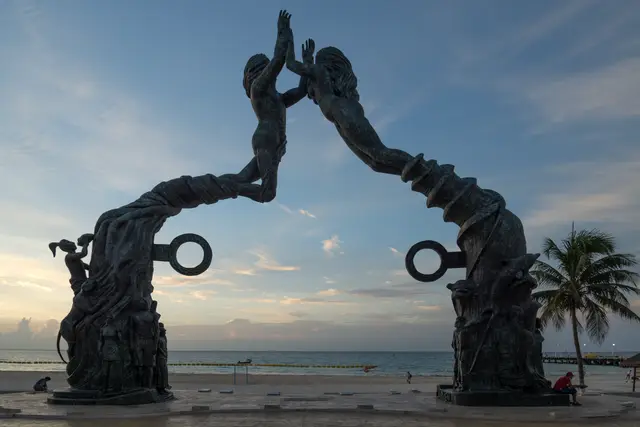 attraction
 Portal Maya: Playa del Carmen Travel Guide (4.7★)
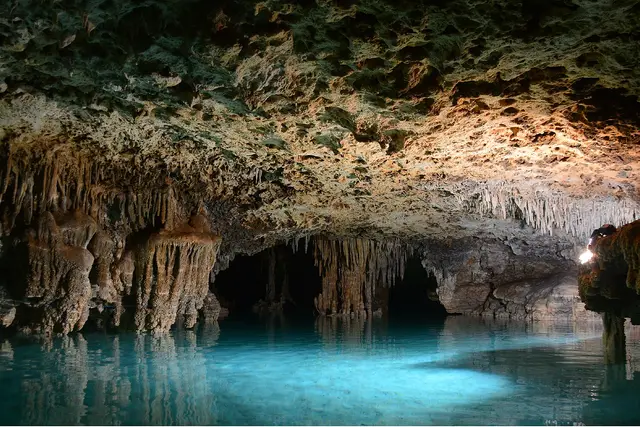 hidden gem
 Río Secreto: Playa del Carmen Travel Guide (4.7★)
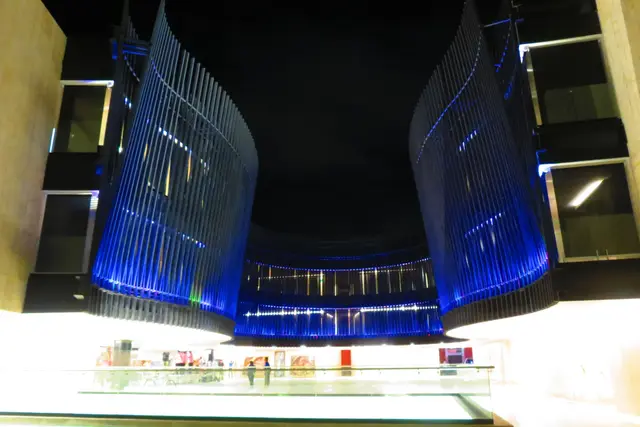 attraction
 Palacio de la Música: Merida Travel Guide (4.8★)
 attraction