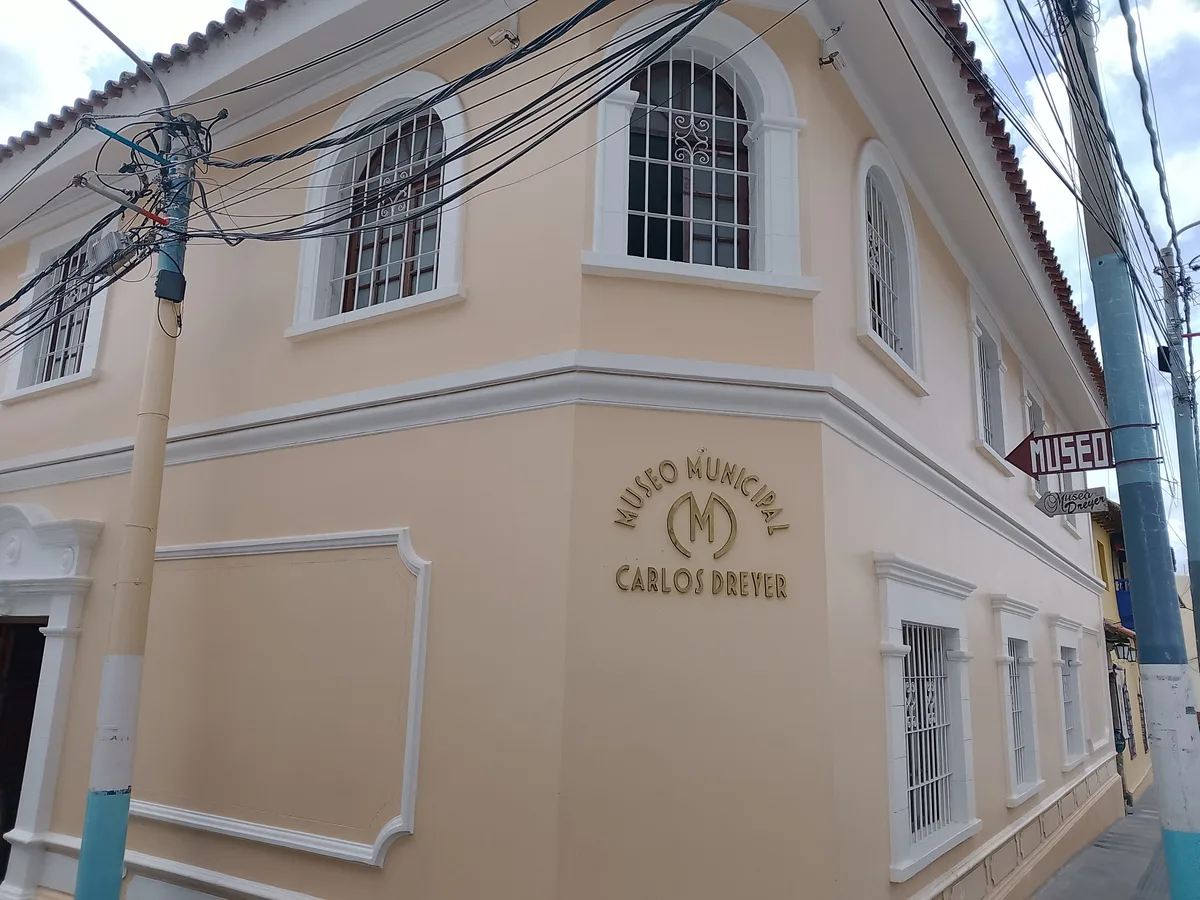
A painter’s collection on Conde de Lemos
Puno tends to be a launch pad. Most visitors sleep here and leave at dawn for the Uros islands or Taquile, then catch the bus to Cusco. Museo Carlos Dreyer gives you a reason to spend an hour in the town itself.
The museum is named for Carlos Dreyer, a German-born painter who settled in Puno and spent decades painting the high plateau around Lake Titicaca. He also collected the region’s past. Today his canvases hang alongside Inca and colonial artifacts and art, which makes it one of the few places in town where the lake’s history is laid out in one building.
What you’ll find inside
This is a compact museum, not a sprawling national collection. That works in its favour. You can look closely at everything without wearing yourself out at almost 3,800 metres.
Expect three strands:
- Dreyer’s own paintings, scenes of the altiplano and the people who live on it
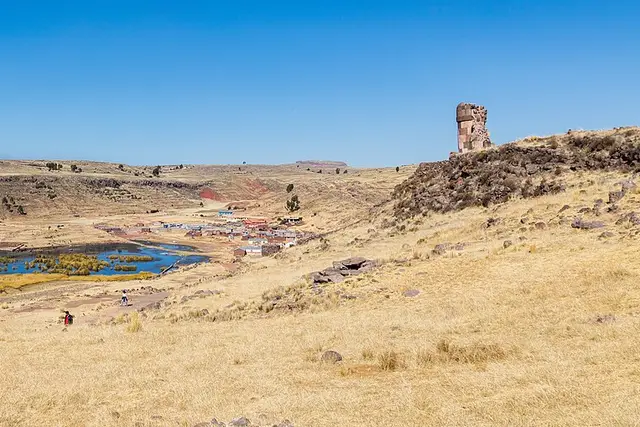
- Pre-Hispanic and Inca pieces from the Titicaca basin, the cultures you’ll hear about at Sillustani and on the lake tours
- Colonial art, the religious painting and objects of the centuries after the Spanish arrived
Seeing these together before or after a lake trip adds context. The stone tombs and terraces you visit on tours start to fit into a longer timeline.
Finding Conde de Lemos 289
The address is Conde de Lemos 289, a street that runs off the Plaza de Armas. If you’re staying anywhere near the centre, walk. The plaza is an easy stroll from Jirón Lima, Puno’s pedestrian street of cafés, travel agencies and restaurants.
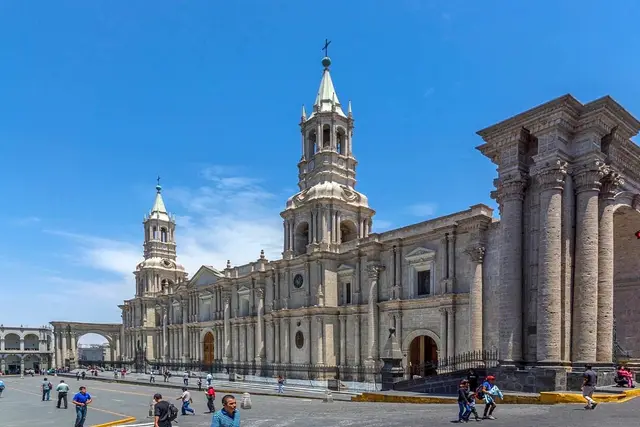
From the plaza, Puno Cathedral is your landmark. The street takes its name from the Count of Lemos, a colonial viceroy, and the carved wooden Balcón del Conde de Lemos stands nearby. Few streets in Puno pack this much colonial architecture so close together.
Go slowly on the walk if you’ve only just arrived. Puno’s streets climb, and the altitude makes even a short uphill block feel like work.
Planning around the weekday hours
The schedule matters more here than at most museums. Currently the museum opens Monday to Friday, 9am to 6pm. It is closed on Saturday and Sunday.
That catches people out. Many travellers spend a weekend in Puno, with Saturday out on the lake and Sunday on the road. If that’s your plan, the museum is off the table unless you arrive on a weekday. Hours can change around public holidays, so check before you set out.
A few ways to fit it in:
- Arrival afternoon. If your bus or flight lands on a weekday, an hour in a quiet museum is a gentle way to adjust to the altitude.
- After a half-day Uros tour. Morning island trips usually return in time for an afternoon visit.
- Before an evening departure. Night buses to Cusco or Arequipa leave you a free day in town.
Visiting a quieter Puno museum
This is a museum that doesn’t get many visitors, and it rewards an unhurried approach. A few habits make the visit smoother.
- Ask at the entrance about photography. Small museums with old paintings and artifacts often restrict photos or flash. Ask before you lift your phone.
- Carry small notes in soles. Small Peruvian museums often take cash only. Admission is posted at the ticket desk, so check it there.
- Brush up on basic Spanish. Labels and staff in regional Peruvian museums mostly work in Spanish. A translation app helps with the longer panels.
- Keep your voice down and your bag close. The rooms are small. A backpack swung round too fast is a real risk near display cases.
- Give it an hour. That’s enough to see everything properly without rushing the paintings.
The quiet is part of the appeal. You won’t be jostling a tour group for a view, which you will be on the reed islands.
Making an afternoon of central Puno
The museum sits in the most walkable part of town, so it pairs well with a short loop on foot.
- Plaza de Armas and Puno Cathedral, with its carved stone facade, right by the museum
- Balcón del Conde de Lemos, the colonial balcony on the same street
- Jirón Lima, for coffee, a meal or a menu of trout from the lake
- Cerro Huajsapata, a hill above the centre with views over the rooftops to Lake Titicaca, if your lungs are ready for the climb
Done in that order, you get Puno’s colonial core, its history and its view of the lake in a single afternoon, all without a taxi.
Frequently asked questions
When is Museo Carlos Dreyer open?
At the moment it opens Monday to Friday, 9am to 6pm, and it is closed on Saturday and Sunday. Hours can change around holidays, so check before you go.
Where is Museo Carlos Dreyer and how do I get there?
It's at Conde de Lemos 289, a street off the Plaza de Armas in central Puno. From most central hotels or from Jirón Lima it's a short walk. Take the uphill stretches slowly because of the altitude.
How long should I spend at the museum?
About an hour covers the collection: Carlos Dreyer's paintings plus the Inca and colonial artifacts and art. It's a compact museum, so it's easy to fit around a lake tour.
Is it worth visiting before a Lake Titicaca tour?
Yes. The pre-Hispanic, Inca and colonial pieces give you background on the region you'll see at Sillustani and on the lake. Dreyer's paintings show the altiplano landscapes you'll travel through.
What else is nearby?
Puno Cathedral and the Plaza de Armas are right next to it, and the Balcón del Conde de Lemos is on the same street. Jirón Lima has cafés and restaurants, and Cerro Huajsapata has views over the town to the lake.
Plan your trip to Puno
Peru eSIM & staying connected →
Some links above are affiliate links — if you book through them, Wander Atlas earns a small commission at no extra cost to you. It's how we keep every guide free.