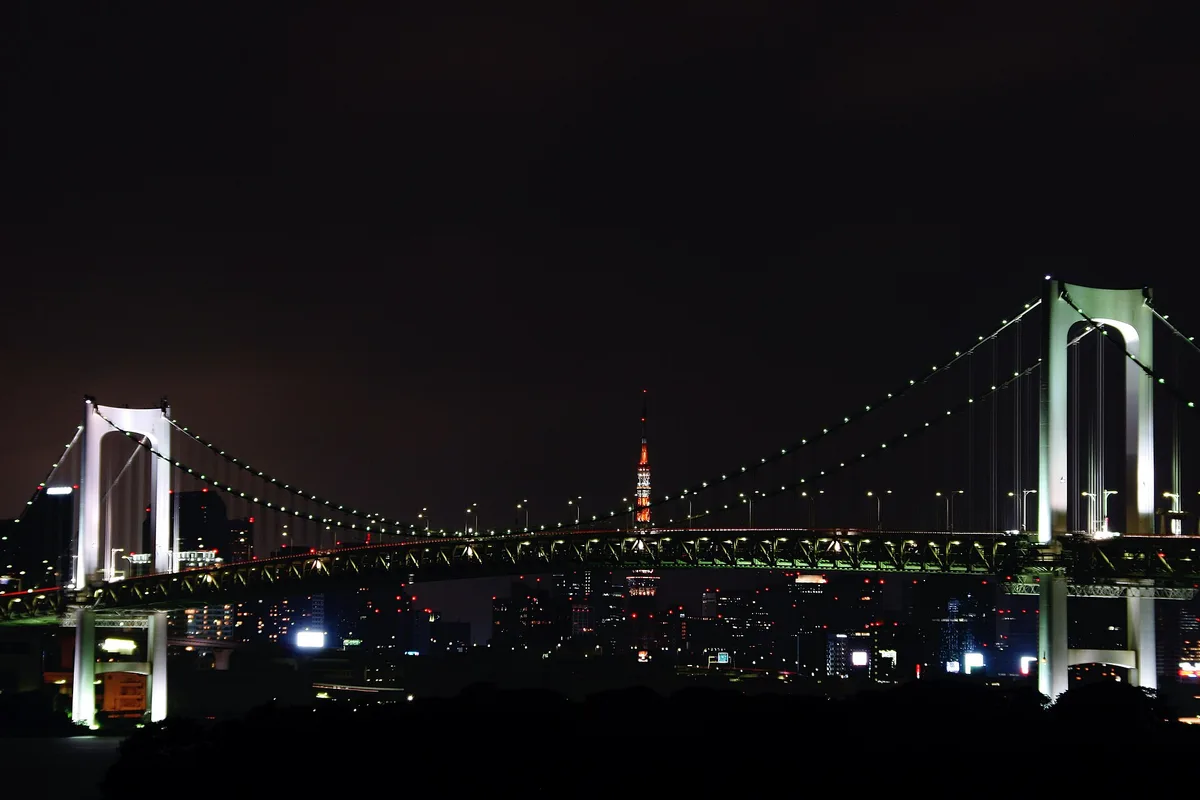
Odaiba Ultra Park sits on reclaimed land jutting into Tokyo Bay, with the Rainbow Bridge and the city skyline as a backdrop to the main stage. For one weekend in September, this waterfront park becomes the regional anchor of the global Ultra Music Festival circuit, pulling in electronic music fans from across Asia and beyond.
What Ultra Japan actually is
Ultra Japan is the Tokyo edition of the Ultra Music Festival franchise, the same brand behind Miami’s original event and sister festivals around the world. The 2026 edition was set for two days, September 19-20, at Odaiba Ultra Park.
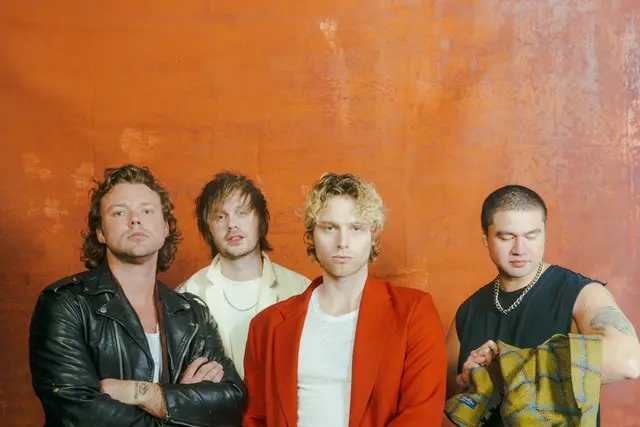
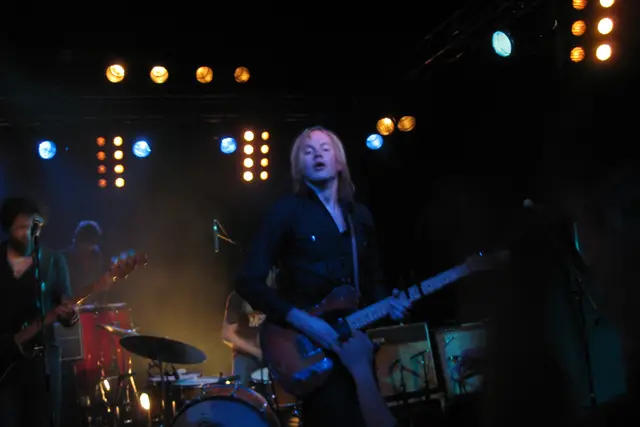
The 2026 Phase 3 lineup announcement included Zedd, Alesso, Peggy Gou and Knock2 among the headliners, spread across multiple stages. Organizers planned a mix of mainstage EDM, techno and bass-heavy sets, with production values (LED walls, pyrotechnics, elaborate stage design) that mirror Ultra’s other global stops.
Getting to Odaiba Ultra Park
Odaiba is an artificial island in Tokyo Bay, and the festival site sits within its waterfront park area, walkable from several transit stops. The main routes in:
- Yurikamome Line (the elevated automated train) to Odaiba-Kaihinkoen Station, then a short walk.
- Rinkai Line to Tokyo Teleport Station, also a walkable distance from the park.
- Taxis and rideshares can drop off nearby, though congestion around festival start and end times is heavy.
Driving is a poor option here. Parking near the venue is limited, and traffic on the bridges connecting Odaiba to central Tokyo backs up badly during peak festival ingress and egress.
Tickets and what they cover
Ultra Japan sells single-day and two-day general admission passes, along with VIP and elevated ticket tiers that typically include separate viewing areas and shorter bar lines. Pricing, tiers and any early-bird windows were set by the organizers directly.
Tickets for 2026 were sold through Ultra’s own ticketing channel rather than resale platforms or unofficial vendors. Counterfeit and duplicate QR codes are a recurring problem at large festivals of this size, and the official channel is the only place a ticket’s validity can be verified.
Reading the set times like a local raver
Ultra festivals worldwide publish a detailed stage-by-stage schedule only a short window before doors open, and Ultra Japan follows the same pattern. Once that schedule lands on the app or site, it becomes the blueprint for the day.
Mainstage headliners are almost always saved for the last two hours of each night, which is where acts like Zedd or Peggy Gou tend to sit. Smaller stages lean toward tighter, more underground sets earlier in the afternoon, the quieter window before the crowd thickens.
Odaiba’s day-into-night shift
What makes Ultra Japan distinct from Ultra’s other stops is the setting itself: a park built for daytime leisure that turns into a full-scale night festival against a bay view. Afternoon sets play out under open sky with the bay breeze cutting the September heat, while the same stages take on a different character after dark, with lighting rigs replacing sunlight as the main visual.
September in Tokyo is still warm and humid, so daytime sets can feel intense; many attendees pace themselves, staying hydrated and finding shade near the park’s edges between sets. Locals who’ve done multiple editions tend to treat the first few hours as a warm-up and save their energy for the after-dark stretch, when the temperature drops and the production lighting comes into its own.
Where to stay and eat around Odaiba
Odaiba itself has hotels aimed at tourists and business travelers, many within walking distance or a short train ride of the park, which cuts out late-night transit back to central Tokyo. Areas like Shimbashi or Shinagawa, both a quick ride from Odaiba via the Yurikamome or JR lines, work well too and offer more restaurant options for pre- or post-festival meals.
Odaiba’s shopping malls, including Aqua City and DiverCity, sit near the festival grounds and have food courts and restaurants that stay busy with festivalgoers grabbing a meal before heading in. Convenience stores nearby are useful for water, snacks or basic supplies, since festival food and drink prices are higher than what you’d pay outside the gates.
Practical notes for festival day
A few practical points around a day at the park:
- Bag policies and prohibited items were set by the organizers, and security enforces them at the gate.
- Trains back from Odaiba after the festival ends get crowded fast, and the last departures are the tightest.
- September weather in Tokyo can include rain, and the site is outdoors on the waterfront with little cover.
Ultra Japan draws a large international crowd, and Odaiba’s transit links, while efficient, are not built to move tens of thousands of people instantly. That crunch at both ends of each festival day shapes how regulars time their arrival and their exit more than anything else on this list.
Frequently asked questions
When is Ultra Japan 2026?
Ultra Japan 2026 was set for September 19-20 at Odaiba Ultra Park in Tokyo, across two days. Detailed set times came out only a short window before doors, as at Ultra's other festivals.
How do I get to Odaiba Ultra Park?
The Yurikamome Line stops at Odaiba-Kaihinkoen Station and the Rinkai Line at Tokyo Teleport Station; both are a short walk from the venue. Driving is impractical, with limited parking and heavy bridge traffic.
Who is playing Ultra Japan 2026?
The Phase 3 lineup included Zedd, Alesso, Peggy Gou and Knock2 among other global EDM acts, spread across multiple stages. The full stage-by-stage schedule and set times came from the organizers.
Where should I stay for Ultra Japan?
Odaiba itself has hotels within walking distance of the festival grounds. Shimbashi and Shinagawa, both a short train ride away, are also convenient and have more dining options.
Are tickets available through resale sites?
Tickets were sold through the official Ultra Japan ticketing channel. Resale and unofficial vendors carry a real risk of counterfeit or duplicate QR codes at large festivals like this one.
Plan your trip to Tokyo
Japan eSIM & staying connected →
Some links above are affiliate links — if you book through them, Wander Atlas earns a small commission at no extra cost to you. It's how we keep every guide free.