Grass where an army once lived
Yoyogi Park is wide, flat and green. Before it was a park, the land was a parade ground for the Imperial Japanese Army. After the war it became Washington Heights, a housing compound for US forces. In 1964 it served as the athletes’ village for the Tokyo Olympics.
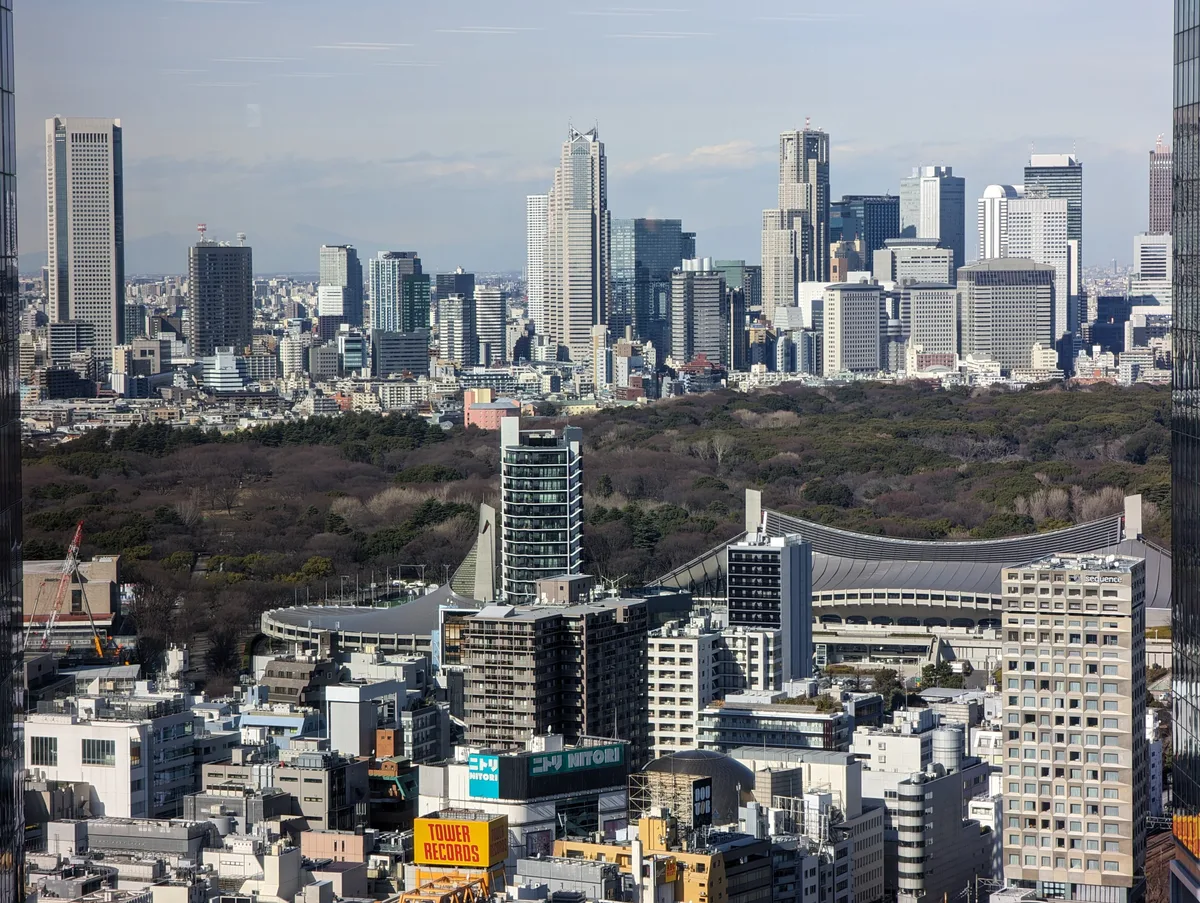
None of that shows now. What you get is one of the largest open lawns in central Tokyo, ringed by tall, mature trees, with a pond and fountain in the middle. Shibuya’s crossings and Harajuku’s shopping streets are a few minutes’ walk away. Inside, the sound is mostly crows, joggers’ footsteps and somebody practising an instrument under a tree.
Arriving from Harajuku or the quieter side
Most people come in from the southeast corner, and that’s the easiest way.
- Harajuku Station (JR Yamanote Line): walk across the bridge past the Meiji Jingu entrance and you reach the main Harajuku gate in a few minutes.
- Meiji-jingumae Station (Tokyo Metro Chiyoda and Fukutoshin lines): surfaces on Omotesando, close to the same gate.
- Yoyogi-koen Station (Chiyoda Line): brings you to the western edge, which is calmer and better for the dog run and the wooded paths.
- Yoyogi-Hachiman Station (Odakyu Line): another option on the western side.
Directly across the road from the Harajuku gate are the event plaza and Kenzo Tange’s Yoyogi National Gymnasium. The gymnasium’s swooping, suspended roof was built for the 1964 Games and is worth a slow look from outside.

What the park is like inside
The park is split by a road into two parts. The northern side is the one with the lawns, trees and pond. The smaller southern side holds the outdoor stage and the plaza, which host food and culture festivals on many weekends.
Things to look for on the northern side:
- The central pond and fountain, with benches around the water.
- Long paved loops used by runners and cyclists all day.
- The ginkgo avenue, which turns bright yellow in late November.
- Cherry trees across the lawns, at their best in late March and early April.
- A fenced dog run and wooded corners near the western edge.
For a walk, a picnic and a sit by the fountain, give it one to two hours. Pair it with Meiji Jingu next door and you can easily fill half a day.
Sundays, festivals and the busy hours
This is a very popular park, not a quiet find. Try not to arrive on a weekend between 9am and 8pm if you want empty grass; that is when it usually fills. During the cherry blossom weeks, weekend lawns get covered in picnic sheets early in the day.
Busy has its upside. The plaza across the road runs festivals on many weekends, and on Sundays you’ll often see performers gathered near the Harajuku entrance. If you want calm, come on a weekday and head west, away from the Harajuku gate.
Picnic rules the regulars follow
A few habits will make you look like you’ve done this before.
- Shoes come off on the sheet. People spread blue tarps or picnic mats and step onto them in socks.
- Take your rubbish home. Tokyo has few public bins, so bring a bag and carry everything out.
- Shop before you arrive. Convenience stores around Harajuku Station sell onigiri, sandwiches and drinks, and picnickers stock up there.
- Keep the noise down. Music played to your own group is normal. A speaker carrying across the lawn is not.
- Don’t save space you won’t use. During hanami, claiming a huge empty patch for hours annoys people.
Park rules, such as where you can barbecue and what is allowed during cherry blossom season, can change. They are posted at the gates and on the official Tokyo parks site.
Pairing it with the neighbourhood
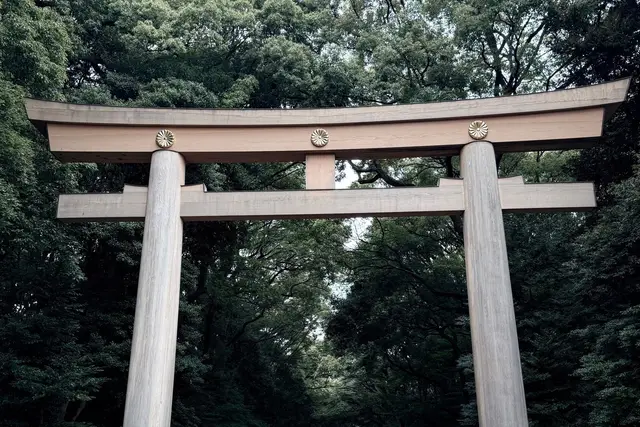
The park works best as one part of a longer day on foot. Walk through the gravel approach and the huge wooden torii of Meiji Jingu, then come out at the Harajuku gate. Takeshita Street and Omotesando are across the station. Heading south, you’re in Shibuya within about twenty minutes.
Google currently lists the park as open 24 hours. Hours for parks can shift with the season and around events, so check the official site before a late visit.
Frequently asked questions
What is the nearest station to Yoyogi Park?
Harajuku Station on the JR Yamanote Line is the closest to the main gate. Meiji-jingumae Station (Chiyoda and Fukutoshin lines) is nearby too. For the quieter western side, use Yoyogi-koen Station on the Chiyoda Line.
When is the quietest time to visit?
The crowd forecast marks weekends from 9am to 8pm as the busiest period, so avoid those hours if you can. A weekday visit, spent on the western side away from the Harajuku gate, gives you the most space.
Is Yoyogi Park open at night?
Google currently lists it as open 24 hours. Park hours can change with the season and around events, so check the official Tokyo parks site before going late.
What is the best season to go?
Late March to early April for cherry blossom picnics, and late November for the yellow ginkgo avenue. Expect blossom weekends to be very crowded.
How long should I spend there, and what's nearby?
Allow one to two hours for the park itself. Meiji Jingu shrine is right next door, and Harajuku's Takeshita Street, Omotesando and the Yoyogi National Gymnasium are all within a short walk.
Plan your trip to Tokyo
Japan eSIM & staying connected →
Some links above are affiliate links — if you book through them, Wander Atlas earns a small commission at no extra cost to you. It's how we keep every guide free.
Related guides

This spot is Day 1 of our Tokyo 3-day itinerary
This spot is Day 4 of our Tokyo 5-day itinerary