3-Day Itinerary
3-Day Siem Reap Itinerary:Angkor Temples, Museum & Old Market
This is a 3-day Siem Reap itinerary: day one circles the temples of Angkor Thom and ends at sunset on Phnom Bakheng, day two shifts into central Siem Reap for the Angkor National Museum, Royal Independence Gardens, Wat Bo, and the Old Market, and day three ranges further into the Angkor Archaeological Park across Preah Khan, Ta Prohm, Pre Rup, and Banteay Srei.
✓ Hours, ratings, and directions come from Google Places · routes are computed from real coordinates · updated September 16, 2026
How this guide is made
Produced with AI assistance and reviewed against live data sources. Facts such as hours, ratings, and location come from Google Places; images are licensed or public domain. Details can change — please verify before visiting. Editorial policy
Day 1 · Angkor Thom's faces and terraces
Day one focuses on the walled city of Angkor Thom, moving from the many stone faces of Bayon to the quieter terraces of Baphuon before reaching the South Gate causeway. The day wraps up with a climb to Phnom Bakheng's hilltop shrine for the sunset views it's known for.
- Morning
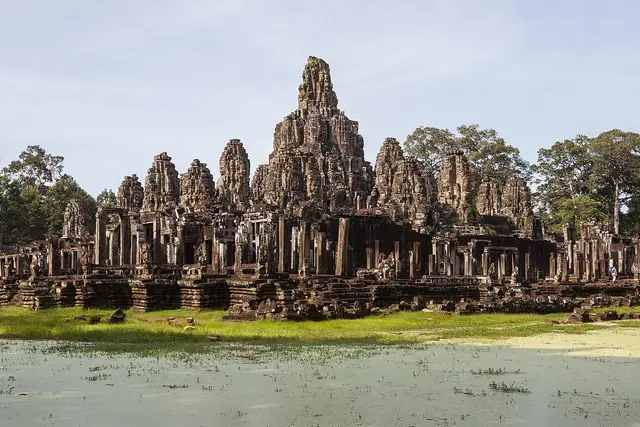
Bayon Temple
Bayon anchors the morning with its upper terraces of stone faces, best worked in the earlier or later hours before the midday crush arrives.
Time to allow: ~1.5 h - ~7 min walk (0.5 km) Directions →
- Afternoon
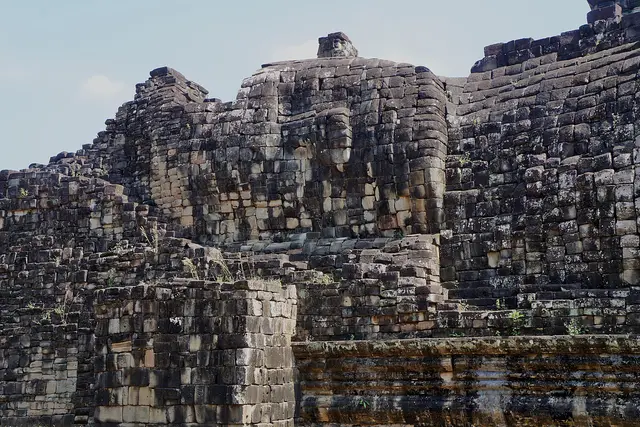
Baphuon Temple
Just north of the Bayon, Baphuon offers a summit terrace that stays less crowded than the park's headline sites, making it an easy add-on stop.
Time to allow: ~38 min - Take the subway or a taxi Directions →
- Afternoon
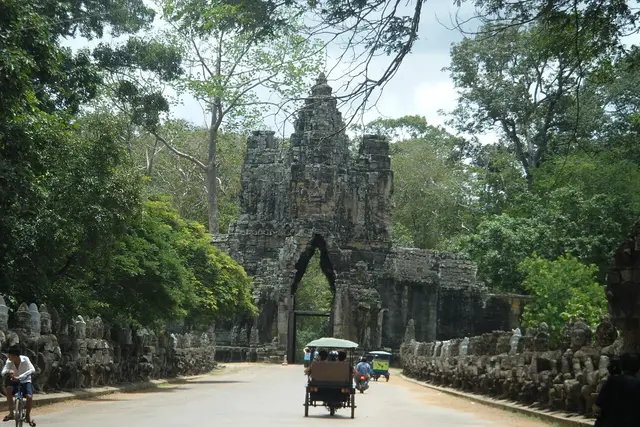
South Gate Angkor Thom
The South Gate causeway is a quieter approach into Angkor Thom, letting you look the giant stone faces in the eye before continuing into the walled city.
Time to allow: ~30 min - ~10 min walk (0.7 km) Directions →
- Afternoon
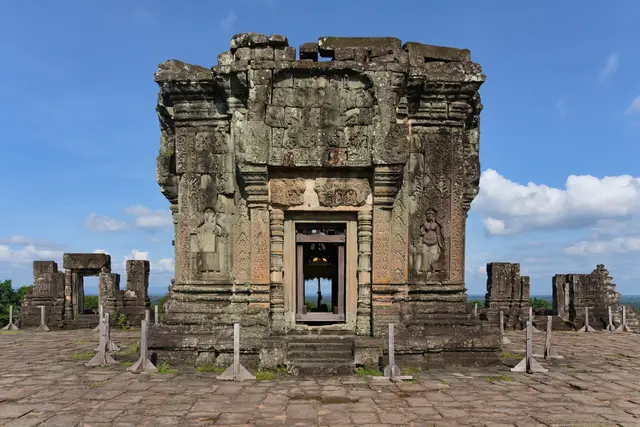
Phnom Bakheng Temple
Phnom Bakheng closes the day as the park's main sunset viewpoint, with a hilltop climb that rewards the wait with a wide view over Angkor.
Time to allow: ~53 min - Take the subway or a taxi Directions →
- Evening
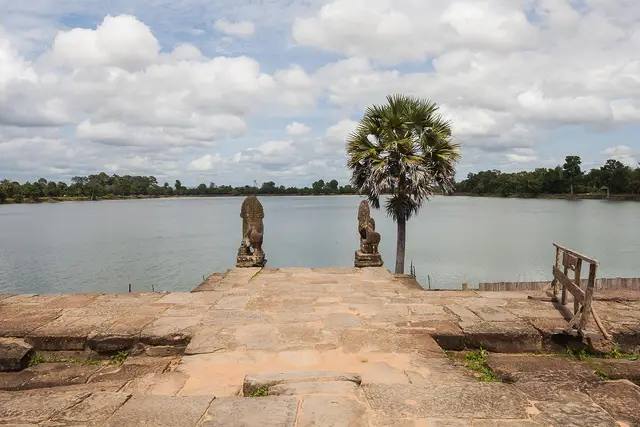
Srah Srang
An attraction rated 4.4 by visitors, included as a stop on this route.
Time to allow: ~30 min
Day 2 · Museum mornings, riverside evenings
Day two starts inland at the Angkor National Museum on Vithei Preah Sihanouk Ave, then shifts to green space at Royal Independence Gardens on the Airport Road. From there it crosses to the Wat Bo neighbourhood for the old pagoda's murals, before finishing at the riverside Old Market on Pokambor Ave.
- Morning
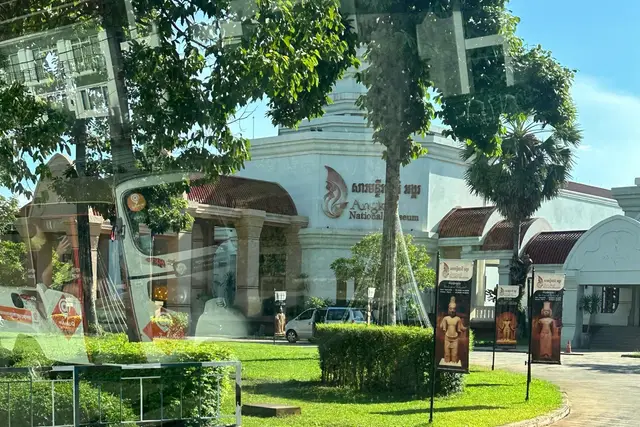
Angkor National Museum
Starting here gives context on the Angkor temples before you see them in person, and the calm opening hour makes for an easier first stop.
Quietest: 9–10 AM Time to allow: ~2 h - ~7 min walk (0.5 km) Directions →
- Afternoon
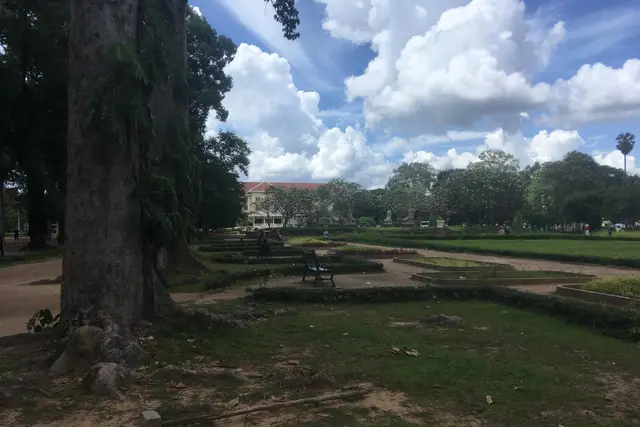
Royal Independence Gardens
This public park along the Airport Road is a green, unhurried pause between the museum and the afternoon's temple neighbourhood.
Time to allow: ~38 min - Take the subway or a taxi Directions →
- Afternoon
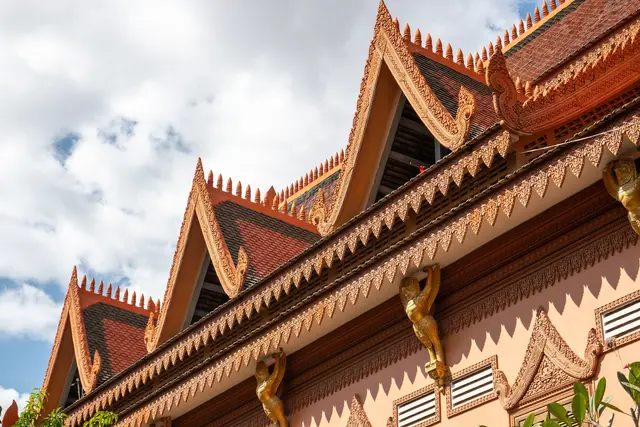
Wat Bo
One of the city's oldest pagodas, Wat Bo stays quiet even in high season and adds 19th-century murals to a day otherwise spent on museums and markets.
Time to allow: ~38 min - ~13 min walk (1 km) Directions →
- Afternoon
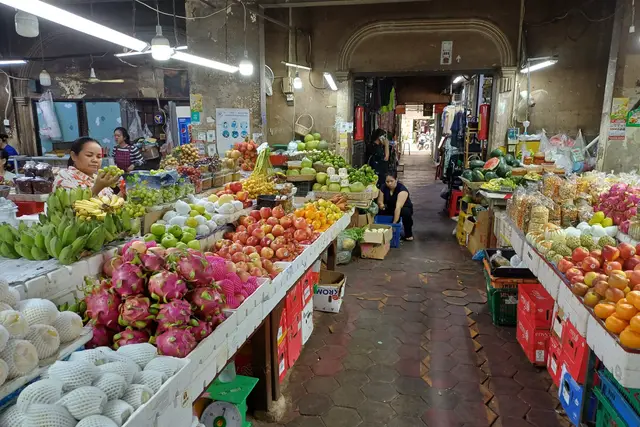
Old Market
Old Market closes the day by the river, with produce and textile lanes that are easiest to browse before the evening crowds fill in.
Time to allow: ~53 min - ~2 min walk (0.2 km) Directions →
- Evening
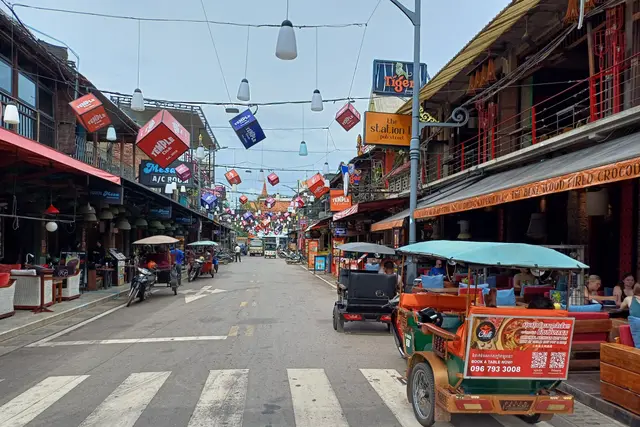
Pub Street
An attraction rated 4.4 by visitors, included as a stop on this route.
Time to allow: ~2 h
Day 3 · Jungle ruins and a countryside sunset
Day three ranges further into the Angkor Archaeological Park, starting at the corridor-filled Preah Khan and continuing to the root-covered ruins of Ta Prohm. The afternoon climbs Pre Rup for its sunset terrace, before the day ends further out at the carved sandstone of Banteay Srei.
- Morning
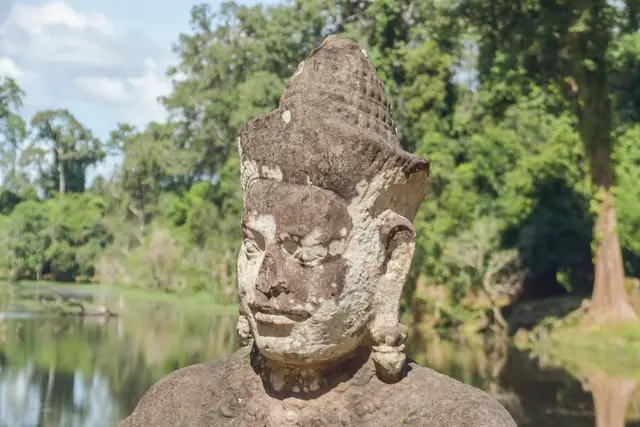
Preah Khan Temple
Preah Khan's long, jungle-choked corridors make a calm start to a day of temple-hopping, especially since it stays manageable across a wide stretch of the day.
Time to allow: ~1 h - Take the subway or a taxi Directions →
- Afternoon
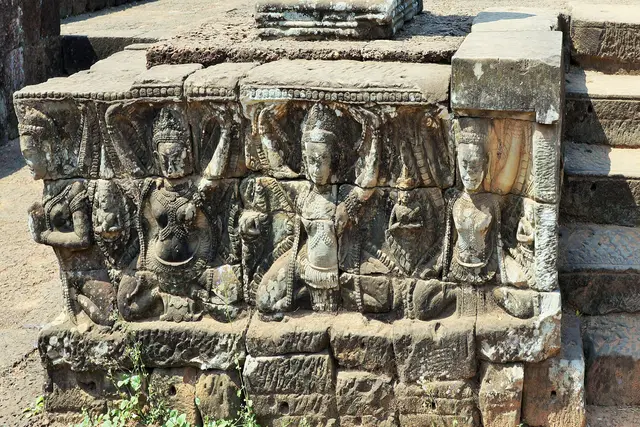
Ta Prohm Temple
Ta Prohm's collapsed corridors and tree roots are the day's signature stop, best walked in the earlier or later part of the afternoon to soften the crowds.
Time to allow: ~53 min - Take the subway or a taxi Directions →
- Afternoon
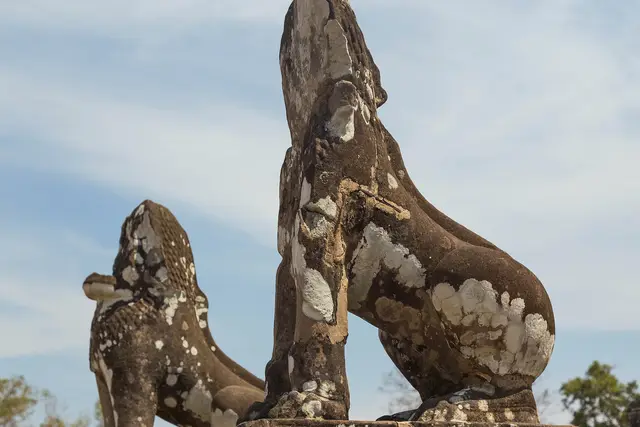
Pre Rup Temple
Pre Rup's upper terrace is one of the park's best sunset spots, so arriving with time to climb the laterite steps pays off.
Time to allow: ~53 min - Take the subway or a taxi Directions →
- Evening
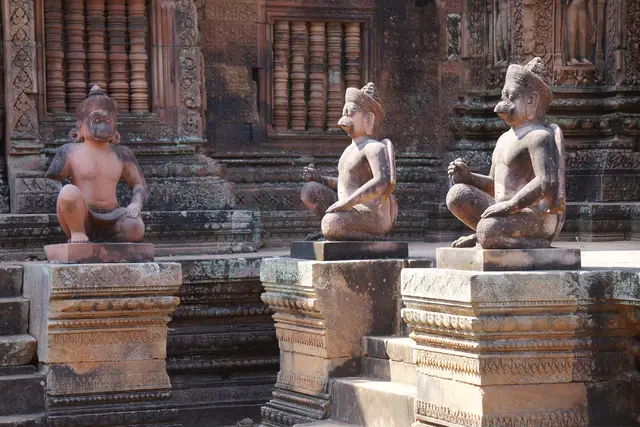
Banteay Srei Temple
Banteay Srei ends the day further out in the Angkor Archaeological Park, with detailed carvings worth the drive and a quiet weekday window to enjoy them in.
Time to allow: ~30 min
Frequently asked questions
How should I get around Siem Reap for this itinerary?
Most stops sit beyond comfortable walking distance from each other, especially between temples inside the Angkor Archaeological Park, so plan on tuk-tuk or car transit between stops each day.
How much time should I budget per temple?
Each stop has its own dwell time built in, ranging from about half an hour at smaller sites like the South Gate to around two hours at the Angkor National Museum, so pace each day around those individual windows.
Which day covers the Angkor Archaeological Park most heavily?
Days one and three both stay within the Angkor Archaeological Park and surrounding Siem Reap temple areas, while day two shifts into central Siem Reap for the museum, gardens, a pagoda, and the Old Market.
What's the best time of day to visit the sunset temples?
Phnom Bakheng on day one and Pre Rup on day three are both known as sunset viewpoints, so arriving with enough time before the light fades is worth planning around.
Is this itinerary heavy or light on walking?
It's a mix: some stops like the South Gate to Bayon connection are a short walk apart, but many others require transit, so it's not a walking-only itinerary.
Plan your trip to Siem Reap
Cambodia eSIM & staying connected →
Some links above are affiliate links — if you book through them, Wander Atlas earns a small commission at no extra cost to you. It's how we keep every guide free.