
The canal Batavia was built on
Kali Besar is a straight, walled channel of water. Its east bank, where this listing sits, is lined with colonial office blocks and godowns from the Dutch East India Company era. Some have been restored and painted. Others still have shuttered windows and plants growing out of the cornices.
The banks were redone as a paved promenade with benches and planting. That makes the walk to Fatahillah Square a pleasant stretch rather than a traffic dodge. On the west bank, look for Toko Merah, the “Red Shop”. This oxblood-brick merchant’s house dates from the 1730s and is one of the oldest surviving buildings in the city.
Fatahillah Square and its museums
Fatahillah Square is a big cobbled plaza a few minutes’ walk from the canal. It’s the centre of Kota Tua. Along its south side stands the white, bell-towered former Stadhuis, Batavia’s city hall, completed in 1710. It now houses the Jakarta History Museum, with Dutch furniture upstairs and flooded dungeons below.
Around the square you’ll find:
- Wayang Museum: shadow puppets and wooden golek puppets from across Indonesia and beyond.
- Museum Seni Rupa dan Keramik: Indonesian painting and ceramics, housed in a colonnaded former courthouse.
- Café Batavia: a colonial-era building overlooking the square, used as a sit-down break between museums.
- Bank Indonesia Museum and Bank Mandiri Museum: two grand banking halls between the square and Kota station.
The square fills with rows of pastel-painted Dutch-style bicycles for hire, each with a matching wide-brimmed hat. Riding one slowly round the cobbles is the classic photo.

Getting to Kota
Everything starts at Jakarta Kota station. It’s the northern terminus of the KRL Commuter Line, and its Art Deco hall is worth a look in itself. From the station exit, cross the road through the underpass, and Fatahillah Square is about five minutes’ walk. Kali Besar is just west of the square.
TransJakarta Corridor 1 also ends at Kota, running the length of Jalan Thamrin and Gajah Mada from Blok M. Ride-hailing through Gojek or Grab works fine. Tell the driver “Kota Tua” or “Taman Fatahillah”.
If you have time, add these nearby:
- Sunda Kelapa: the old harbour, roughly 1.5 km north, where wooden pinisi schooners still load cargo.
- Kota Intan drawbridge: on the way to Sunda Kelapa.
- Glodok: Jakarta’s Chinatown, just south, with the Petak Sembilan market lanes and the Dharma Bhakti temple.
Doing Kota Tua without wilting
Jakarta’s midday sun is fierce and the square has little shade. Start early, spend the hottest hours inside the museums, and come back out to the canal in late afternoon. Weekends and school holidays bring families and school groups onto the square, so a weekday is simply easier going.
Museum hours are set by the city and change. Many Jakarta museums close on Mondays, so check the official schedule before building your day around them. Tickets are sold at each museum’s counter, where the current price is posted.
Most places take QRIS, Indonesia’s standard QR payment, but bike hire and street snacks usually want small notes. Cover your shoulders if you plan to step into the Glodok temples. Along the canal, try kerak telor, the Betawi spiced egg-and-rice pancake cooked over charcoal by street vendors. Order by pointing and asking for “satu”.
Frequently asked questions
How do I get to Jakarta Old Town?
Take the KRL Commuter Line or TransJakarta Corridor 1 to Jakarta Kota. From there, Fatahillah Square is about a five-minute walk through the underpass, and the Kali Besar canal is just west of the square.
How long should I spend in Kota Tua?
Two to three hours covers the canal, Fatahillah Square and one or two museums. Allow half a day if you also want Sunda Kelapa harbour or Glodok.
What is the best time of day to visit?
Early morning or late afternoon, because the cobbled square has little shade at midday. Weekdays are generally calmer than weekends and school holidays.
Are the museums open every day?
Not necessarily. Many Jakarta museums close on Mondays, and their hours change, so check the official museum schedule before you go.
What else is nearby?
Toko Merah on the west bank of Kali Besar, Sunda Kelapa harbour and the Kota Intan drawbridge to the north, and Glodok Chinatown to the south.
Plan your trip to Jakarta
Some links above are affiliate links — if you book through them, Wander Atlas earns a small commission at no extra cost to you. It's how we keep every guide free.
Related guides
 hidden gem
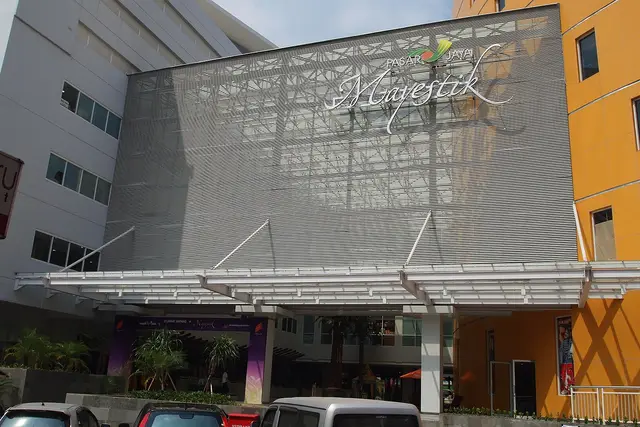
 Mayestik Market: Jakarta Travel Guide (4.5★)
 restaurant
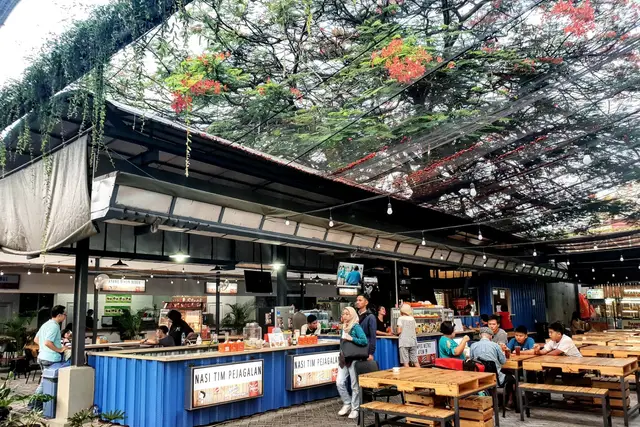
 Gajah Mada Food Street: Where to Eat in Jakarta
 attraction
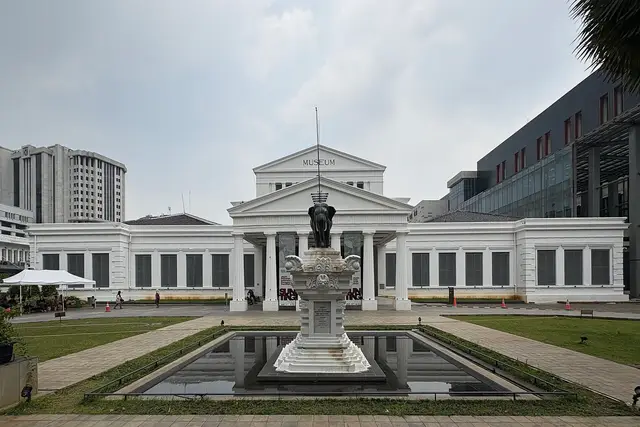
 National Museum of Indonesia: Jakarta Travel Guide (4.7★)
 attraction