
Two parks, opposite sides of the city
This page has two park names on it, so start with a map. Gorkhi-Terelj and Khustai are separate protected areas, and Ulaanbaatar lies between them.
Gorkhi-Terelj is northeast of the capital. Its granite outcrops rise out of larch forest, and the Tuul River runs along the southern side. Khustai Nuruu is roughly 100 km west of the city. It is open steppe, and it is where Przewalski’s horses, called takhi in Mongolian, were brought back to the wild in the early 1990s.
Most of this guide covers Terelj, the park the listing describes. Khustai gets its own section further down.
Rock, river and larch
The road into Terelj leaves the city’s ger districts behind. The valley narrows and the hills turn to bare, weathered granite. Rocks have split into towers and boulders, and the slopes above them carry dark larch. In summer the valley floor is grazing land, and you will see horses, yaks and white gers spread along the river.
The park was declared a national park in 1993. It is wild country with one small developed strip where the tourist ger camps sit. Leave that strip on foot or on horseback and the camps fall behind you quickly.
What most people come to see:
- Turtle Rock (Melkhii Khad): a granite outcrop that really does look like a tortoise, right beside the main road.
- Aryabal Meditation Temple: a Buddhist temple on a hillside. You reach it over a footbridge, then climb a long stairway lined with signboards carrying teachings.
- The Tuul and Terelj rivers: braided channels and gravel banks where you can sit with the hills all around you.
- The hot springs the park is known for. Ask your camp or driver which ones are reachable this season.
On the way: the steel horseman
Many drivers stop at Tsonjin Boldog on the road out. The Chinggis Khaan Equestrian Statue stands there, a stainless-steel rider so large that visitors walk up inside the horse to a viewing platform on its head.
Give it about an hour. It works well on the way out or the way back, so it does not have to eat into your time in the park.
Getting there and staying over
Terelj is roughly 50–70 km from central Ulaanbaatar. City traffic often adds more time than the distance does. Most visitors come with a hired driver, a guesthouse tour or a ger camp transfer. Public transport is limited, so arrange your ride back before you go.
A day trip is possible. One night in a ger camp is better, because then you see the valley early and late when the day-trippers are gone. Two nights leave time for a proper horse ride.
Things to plan for:
- Days: the listing currently shows it closed on Saturday and Sunday and open around the clock Monday to Friday. Hours for parks change with the season, so confirm before you travel.
- Fees: the entry charge is posted at the park gate. Camps quote their own rates when you book.
- Cold: nights are cold even in summer. Pack a warm layer.
- Cash: carry tögrög. Card readers are rare once you leave the city.
Inside the ger: how camp life works
Gers have a few customs, and following them quietly makes a good impression.
- Moving around: walk clockwise once you are inside. Step over the threshold, never on it.
- Seating: the back of the ger, facing the door, is the place of honour. Wait for your host to show you where to sit.
- Tea and food: take the bowl of milk tea or the dried curd with your right hand, or with both hands. A small sip or a bite is a polite acknowledgement.
- Indoors: don’t whistle, and don’t point your feet at the stove or the altar.
- Horses: Mongolian horses are small and half-wild. Mount from the left. Let the guide set the pace until you know the animal.
Most camps have pit or shared toilets and limited showers. Electricity often runs only part of the day. Ask about both when you book, and bring a torch.
If you meant Khustai
Khustai is a separate trip west of the city. You go there for the takhi, the only truly wild horse species, which had died out in the wild before it was reintroduced here. The park’s visitor centre and ger camp sit near the entrance. Rangers can usually tell you which valleys the herds are using that week.
The horses tend to come down toward water in the evening. That makes an overnight stay far more rewarding than a quick drive-through. Red deer and marmots share the steppe with them.
If you have the days, do both parks. Terelj gives you granite and forest. Khustai gives you open steppe and horses that have never been ridden.
Frequently asked questions
Are Gorkhi Terelj and Khustai the same national park?
No. Gorkhi-Terelj is northeast of Ulaanbaatar and is known for its granite rocks, larch forest and the Tuul River. Khustai Nuruu is roughly 100 km west of the city and is known for its reintroduced Przewalski's horses (takhi).
How do I get to Gorkhi Terelj from Ulaanbaatar?
Most visitors go with a hired driver, a guesthouse tour or a ger camp transfer. The park is roughly 50–70 km away, and city traffic usually makes the drive take longer than the distance suggests. Public transport is limited, so book your return before you set off.
Which days can I visit?
Its Google listing currently shows it open 24 hours Monday to Friday and closed on Saturday and Sunday. Park hours change with the season, so check the official information before you go.
How long should I spend in Terelj?
You can see Turtle Rock and Aryabal Meditation Temple on a day trip. One or two nights in a ger camp gives you time for horse riding and quiet mornings by the river.
What is worth seeing nearby?
The Chinggis Khaan Equestrian Statue at Tsonjin Boldog makes an easy stop on the road between the city and the park. Khustai National Park, home of the takhi, is a separate overnight trip west of Ulaanbaatar.
Plan your trip to Khustai National Park
Mongolia eSIM & staying connected →
Some links above are affiliate links — if you book through them, Wander Atlas earns a small commission at no extra cost to you. It's how we keep every guide free.
Related guides
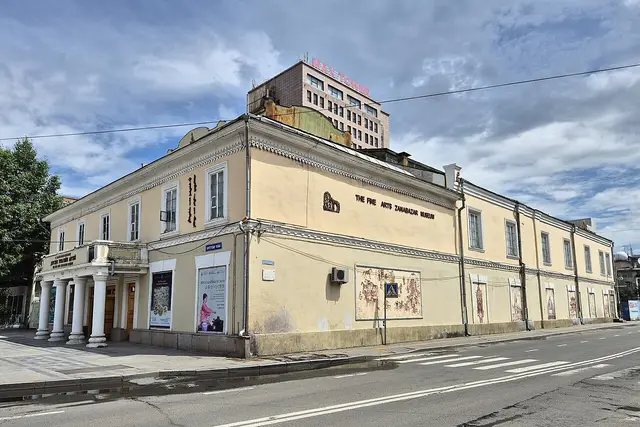 hidden gem
 Zanabazar Museum of Fine Arts: Ulaanbaatar Travel Guide
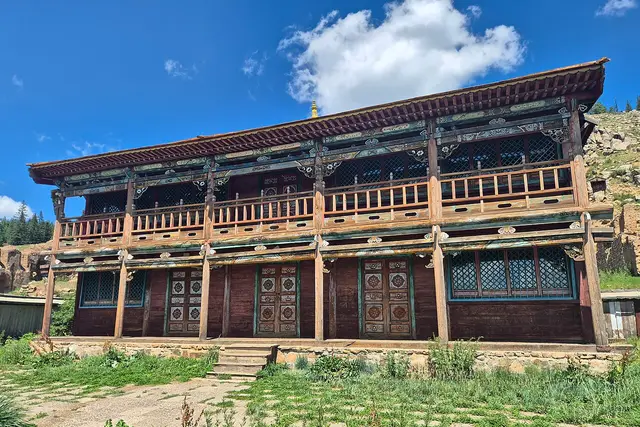 hidden gem
 Manzushir Monastery: Ulaanbaatar Travel Guide (4.6★)
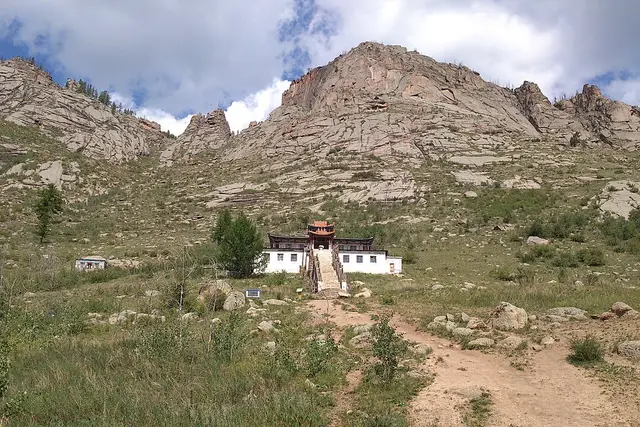 attraction
 Aryapala Temple Meditation Center: Terelj Travel Guide
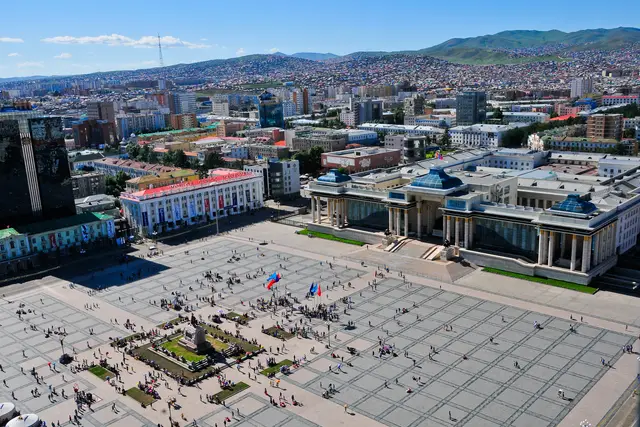 attraction