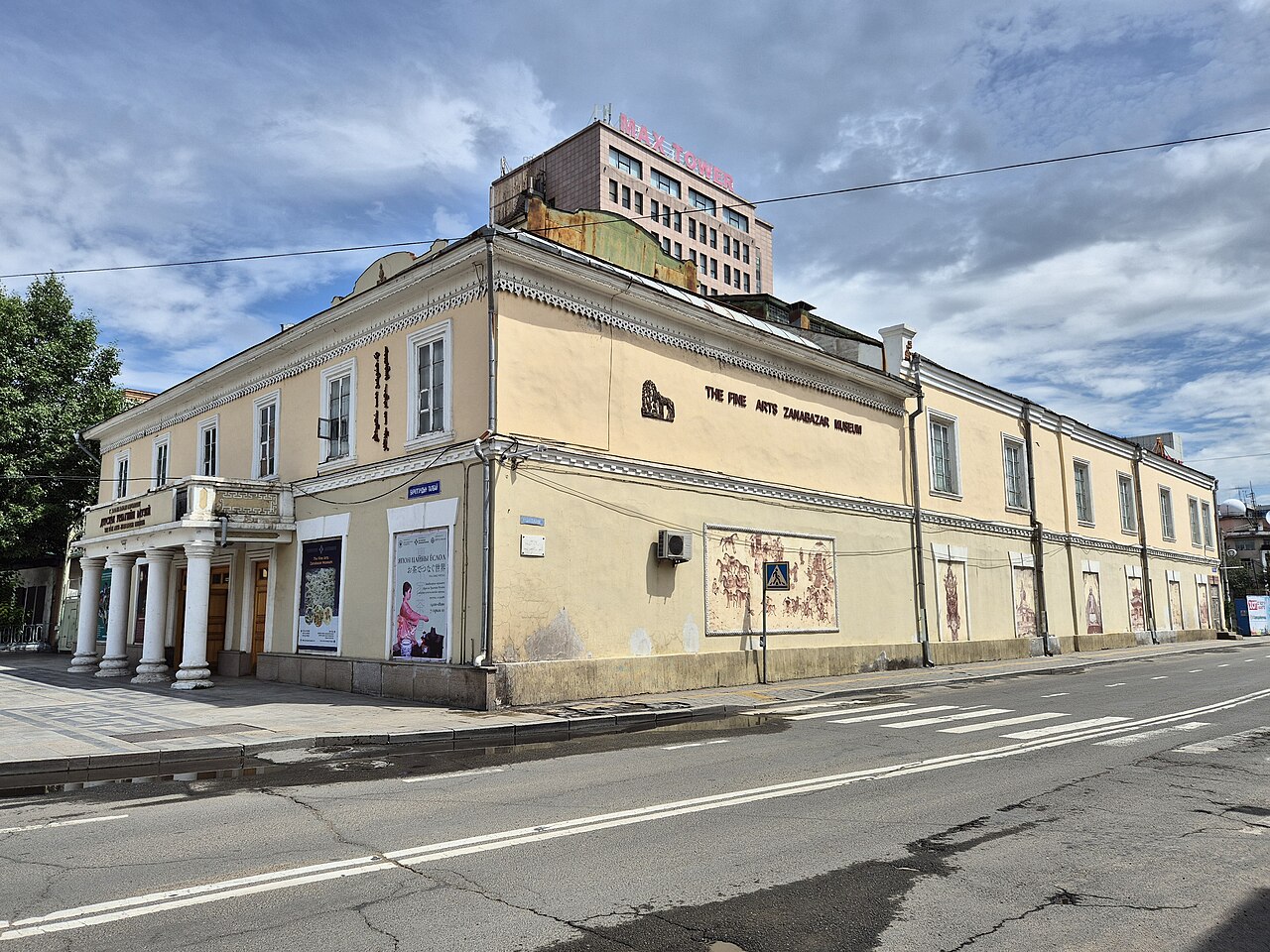
A small museum built around one man’s hands
Most visitors to Ulaanbaatar head straight for the big museums on the square. This one is a few streets away and gets far fewer people. It is a compact, two-floor collection, and its heart is a set of gilded bronze figures cast more than three centuries ago by Öndör Gegeen Zanabazar.
Zanabazar (1635–1723) was the first Jebtsundamba Khutuktu, the head of Buddhism in Mongolia. He was also a sculptor, a painter and the inventor of the Soyombo script, whose symbol now sits on the national flag. The museum opened in 1966 and took his name. His work is the reason to come, and the rest of the collection gives it context.
Zanabazar’s Taras and the bronze gallery
Start with the bronzes, because everything else makes more sense once you have seen them. Zanabazar’s figures are recognisable quickly: long, calm faces, high rounded brows and a slight downward gaze. The bodies are slender and the jewellery sits close to the skin. They don’t look like Tibetan or Chinese pieces of the same period.
Look for these in particular:
- Green Tara and White Tara. These are the most famous figures in the collection: seated, one leg lowered, hands in gestures of giving and protection.
- The Five Dhyani Buddhas. A matched set showing how he varied hand positions while keeping the same proportions.
- Smaller ritual bronzes and stupas from his workshop and his followers, useful for seeing how his style spread.
Walk around the cases rather than viewing them head-on. The gilding catches the light differently at each angle, and the backs of the pieces are as carefully finished as the fronts.
Reading “One Day in Mongolia”
The second piece people come for is a painting. B. Sharav’s One Day in Mongolia, from the early 20th century, is a crowded panorama of daily life across the steppe. It has no single subject: dozens of small scenes are packed edge to edge.
Give it ten minutes. Pick out herders milking mares, felt being made, a wedding, a funeral, wrestlers, travellers, monks and some notably earthy scenes tucked into the corners. Viewers usually find one more detail every time they step closer. It works as a field guide to the nomadic year, and it is good preparation if you are heading out to the countryside afterwards.
The rest of the collection
The other rooms cover a long stretch of Mongolian art. You will find painted and appliquéd thangkas, some of them very large, along with carved and painted masks from the tsam ritual dance and religious objects from monasteries. There are also rock-art and early pieces, and a section of 20th-century painting in the traditional mongol zurag style.
Some of the appliqué thangkas are stitched from silk and brocade, not painted. Up close you can see the layered fabric and the couched cord that outlines each figure. The tsam masks are oversized and fierce, built to be read from the back of a monastery courtyard.
Allow 60–90 minutes for the whole museum. If you only care about the bronzes and the Sharav painting, 45 minutes covers them properly.
At the ticket desk and in the galleries
A few things make the visit smoother:
- Ask about photography before you raise your phone. Mongolian museums often have separate rules or permits for cameras. The desk will tell you the current policy, and the ticket prices are posted there too.
- Pick up the English labels where offered. Signage varies by room, and some rooms have more English than others.
- Treat the Buddhist pieces as sacred objects. Many visitors are Mongolian Buddhists. Keep your voice low near the Taras, and don’t pose with your back to the figures for selfies.
- Hand over bulky bags if staff ask you to. The galleries are tight in places.
- Walk clockwise through rooms with stupas or shrine objects if you want to follow Buddhist custom. Nobody will insist, but it is a respectful habit.
Morning visits and the weekend afternoon squeeze
The timing here is simple. It is quietest from 9am to 11am on weekdays and from 9am to 12pm at weekends. In those windows you can usually stand in front of the Taras without anyone at your shoulder.
Try not to arrive between 1pm and 3pm on a Saturday or Sunday. That is the busiest stretch, and in rooms this size a few groups fill the space. Weekends also close earlier: currently 4:30pm on Saturday and Sunday, compared with 6pm on weekdays. A mid-afternoon weekend start leaves you rushing.
Museum hours can change through the year and on public holidays, especially around Tsagaan Sar and Naadam. Check the posted hours before you go.
Finding it, and where to walk next
The museum’s address is Sambuu Street, Chingeltei district, west of Sükhbaatar Square (also called Chinggis Square). Ulaanbaatar has no metro, so walk from the square in about ten minutes or take a taxi. City traffic is often slow enough that walking is faster for short hops.
It fits neatly into a half-day loop on foot:
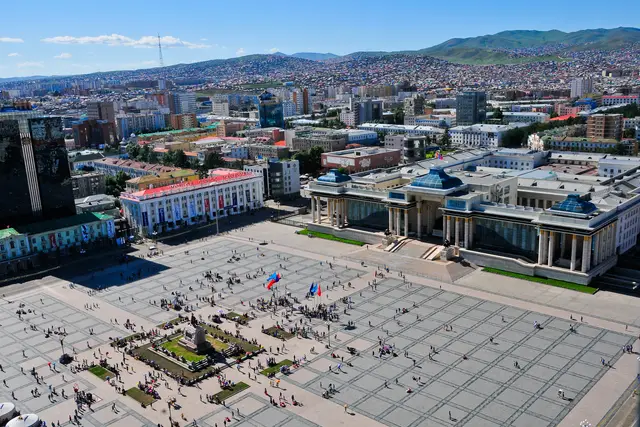
- Sükhbaatar Square and Government Palace, with the seated Chinggis Khaan statue, a few minutes east.
- National Museum of Mongolia, just off the square, for history from the Stone Age to the empire and beyond.
- Choijin Lama Temple Museum, south of the square. It is an early-1900s temple complex whose tsam masks and statuary pair well with what you have just seen.
- State Department Store on Peace Avenue, for cashmere, felt goods and a café break.
Visit Zanabazar’s bronzes first and Choijin Lama second. You will spot his influence in the temple’s statues straight away.
Frequently asked questions
When is the quietest time to visit the Zanabazar Museum of Fine Arts?
On weekdays it is quietest from 9am to 11am, and at weekends from 9am to 12pm. Avoid weekends between 1pm and 3pm, which is the busiest period.
What are the opening hours?
Currently it opens 9am–6pm Monday to Friday and 9am–4:30pm on Saturday and Sunday. Hours can shift through the year and on holidays, so check before you go.
How long should I spend there?
Allow 60–90 minutes for the full collection. If you focus on Zanabazar's bronzes and B. Sharav's painting One Day in Mongolia, about 45 minutes is enough.
How do I get there from Sükhbaatar Square?
The museum is on Sambuu Street in Chingeltei district, about a ten-minute walk west of the square. There is no metro in Ulaanbaatar. Walking is usually quicker than a taxi in central traffic.
What else is nearby?
Sükhbaatar Square, the National Museum of Mongolia, the Choijin Lama Temple Museum and the State Department Store are all within walking distance. Together they make an easy half-day loop.
Plan your trip to Ulaanbaatar
Mongolia eSIM & staying connected →
Some links above are affiliate links — if you book through them, Wander Atlas earns a small commission at no extra cost to you. It's how we keep every guide free.
Related guides
 hidden gem
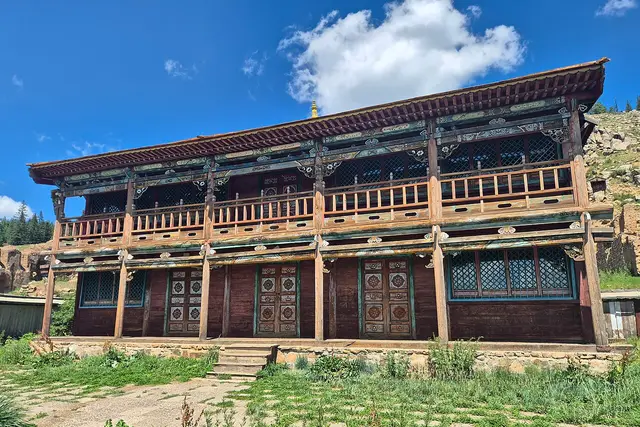
 Manzushir Monastery: Ulaanbaatar Travel Guide (4.6★)
 trendy
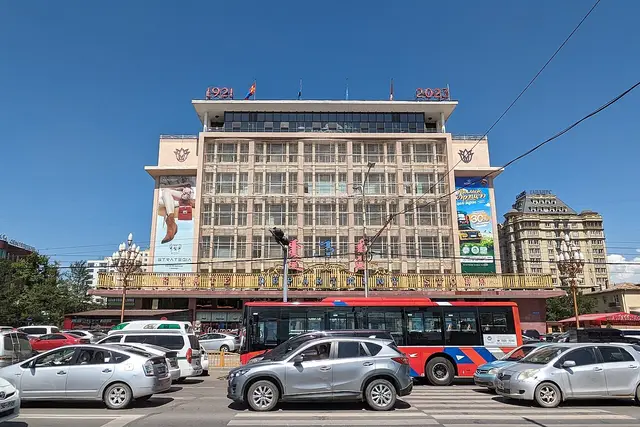
 State Department Store: Ulaanbaatar Travel Guide (4.3★)
 attraction
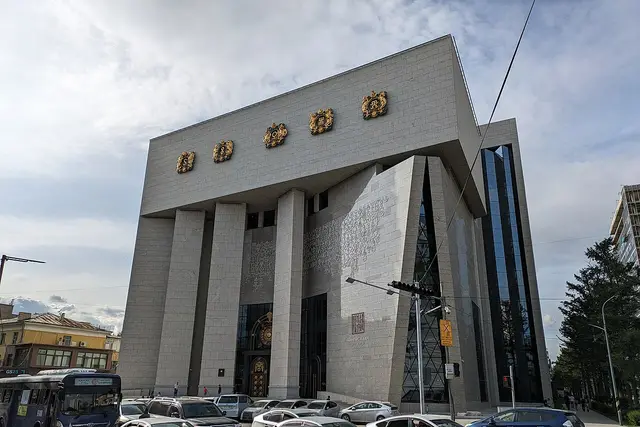
 Chinggis Khaan National Museum Mongolia: Ulaanbaatar Travel Guide
 attraction