A cathedral that looks down on the whole city
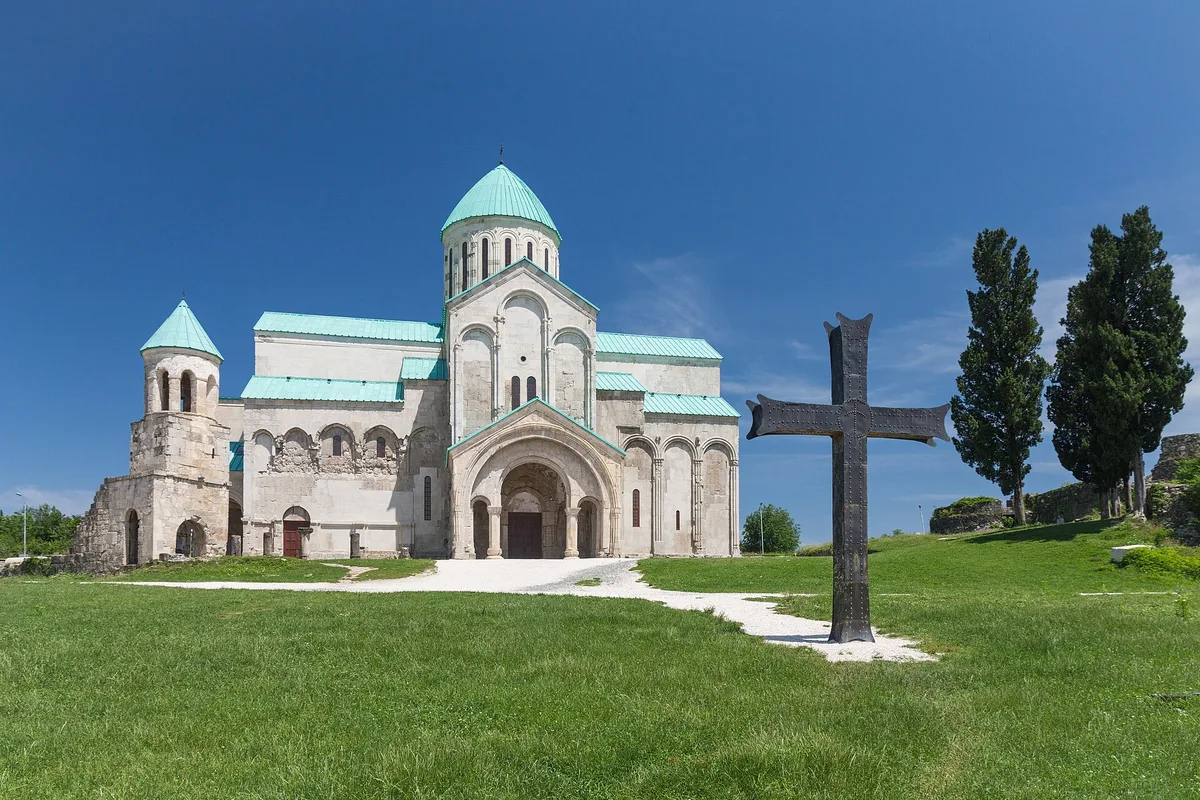
Kutaisi has one skyline landmark. From the Rioni embankment, the White Bridge and most of the old town, you can see a pale stone mass with a conical dome on the hill to the north. That is Bagrati, known in Georgian as ბაგრატის ტაძარი (Bagratis Tadzari).
It was built at the start of the 11th century under Bagrat III, the first king of a united Georgia. An inscription on the north wall dates the work to 1003. Kutaisi was the royal capital then, and the church was meant to show it.
What you are actually looking at
The building has been through a lot. It’s honest to say so up front.
In 1692, Ottoman troops blew up the cathedral and its dome and roof fell in. For three centuries it stood as a roofless ruin of tall walls and arches. In 1994 UNESCO listed it together with Gelati Monastery. The government’s reconstruction, finished in 2012, gave it back its dome and roof.
That restoration was controversial. UNESCO judged that it damaged the site’s authenticity and removed Bagrati from the World Heritage List in 2017. Gelati stayed on the list. When you walk round the outside, look at the walls closely:
- Older, weathered blocks with carved ornament near the base and around the openings
- Smoother, lighter new stone filling the upper walls and dome
- The cross-shaped plan of the original, still easy to read from the grounds
Seeing old and new side by side is the most interesting part of the visit. It shows you exactly what was argued over.
Getting up Ukimerioni Hill
You can walk from the centre. Start at Davit Aghmashenebeli Square and the Colchis Fountain, cross the Rioni and follow the streets up to Bagrati Street. Allow 15–20 minutes. The last stretch is steep and cobbled in places, so wear shoes with some grip.
Taxis and ride-hailing apps will also take you to the gate if the climb doesn’t appeal. Coming from Kutaisi International Airport, about 20 km west, you will pass through the centre first. That makes Bagrati an easy first stop in the city.

Inside a working church
Bagrati is an active Georgian Orthodox cathedral, not a museum. Behave as you would at a service, because one may be going on.
- Cover up. Women usually cover their hair and wear a skirt. Men should not wear shorts. Wraps are often left near the entrance for visitors who need them.
- Keep your voice low and give worshippers space near the icons. Many locals light a thin beeswax candle on the way in.
- Ask before photographing anything inside. Never point a camera at a priest or at people praying during a liturgy.
- Sunday mornings are for the liturgy. Expect more worshippers then and less room to wander.
The interior is spacious and plainer than the outside suggests. Most of the original wall paintings were lost while the roof was gone, so the light and the volume of the space are what you notice. There is no ticket desk for the church itself. If you want to give something, use the candle stand or the donation box.
Timing your visit around the crowds
This is one of the most-visited sights in western Georgia and it is consistently well rated. Don’t expect it to yourself. Day-trip groups heading to Gelati and the Prometheus and Sataplia caves often stop here too, so arriving soon after opening usually beats them.
Currently the cathedral is listed as open 10am–8pm every day. Church hours can change around feast days and through the year, so check before an early or late visit. In summer, the evening light on the stone and the view over the Rioni make a late visit worth it. Spring and autumn are the most comfortable months for the climb.
Plan on 45 minutes to an hour, including a walk round the grounds. Low remains of Bagrat’s palace and the Ukimerioni citadel lie around the church. The terrace at the edge gives the clearest view across Kutaisi’s rooftops to the hills beyond.
Linking it with the rest of Kutaisi
Bagrati is half of the city’s royal story. Gelati Monastery, about 11 km northeast, holds the 12th-century mosaics and the grave of King David the Builder. It is the natural second stop, and a taxi there makes an easy half-day loop.
Motsameta Monastery, perched above a river gorge near Gelati, fits into the same trip. Back in town, walk down the hill to the White Bridge and the Green Bazaar. The bazaar is the place for churchkhela, Imeretian cheese and hot bread after the climb.
Frequently asked questions
How do I get to Bagrati Cathedral from central Kutaisi?
Walk from Davit Aghmashenebeli Square and the Colchis Fountain, cross the Rioni and climb to Bagrati Street on Ukimerioni Hill. It takes about 15–20 minutes and the last part is steep. A taxi or ride-hailing app will drop you at the gate.
What are the opening hours?
At the moment it is listed as open 10am–8pm every day. As a working church, its hours can change around religious holidays and with the season, so check before you go early or late.
Is there a dress code?
Yes. It is an active Orthodox church: women usually cover their hair and wear a skirt, and men should avoid shorts. Wraps are often available at the entrance.
Why was Bagrati removed from the UNESCO list?
The cathedral had been a ruin since Ottoman troops blew it up in 1692. UNESCO decided the reconstruction finished in 2012 compromised its authenticity and delisted it in 2017. Gelati Monastery is still on the list.
How long should I spend there, and what's nearby?
About 45 minutes to an hour, including the grounds and the viewpoint over the city. Gelati Monastery (about 11 km away) and Motsameta Monastery make a good half-day loop, and the White Bridge and Green Bazaar are downhill in the centre.
Plan your trip to Kutaisi
Georgia eSIM & staying connected →
Some links above are affiliate links — if you book through them, Wander Atlas earns a small commission at no extra cost to you. It's how we keep every guide free.
Related guides
 attraction
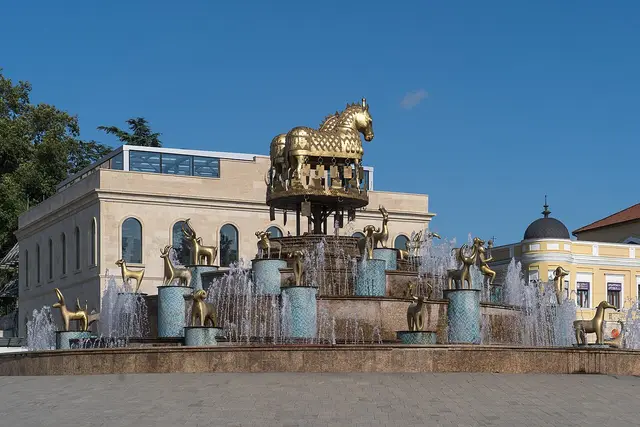
Colchis Fountain: Kutaisi Travel Guide (4.7★)
 attraction
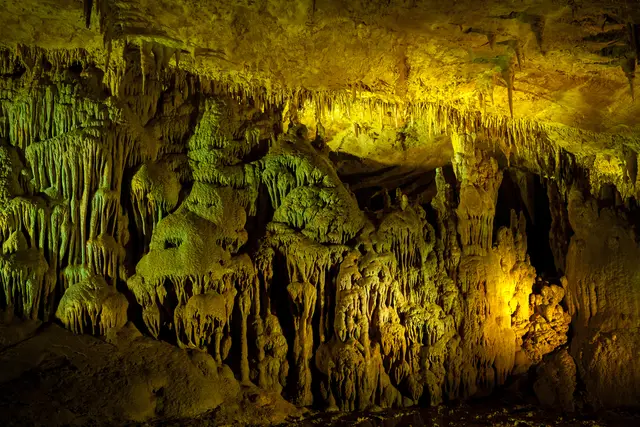
Prometheus Cave Natural Monument: Tskaltubo Travel Guide
 attraction
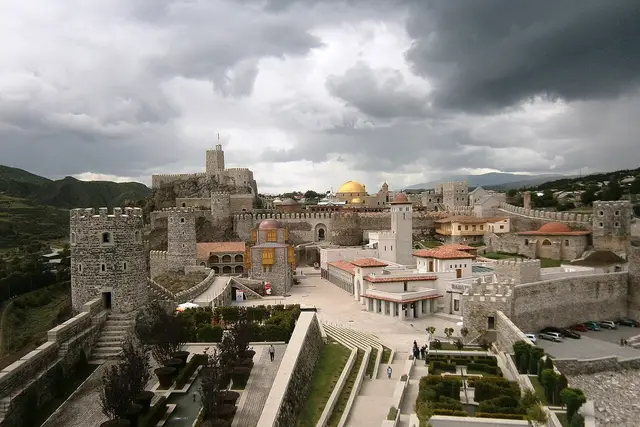
Akhaltsikhe (Rabati) Castle: Travel Guide (4.7★)
 attraction