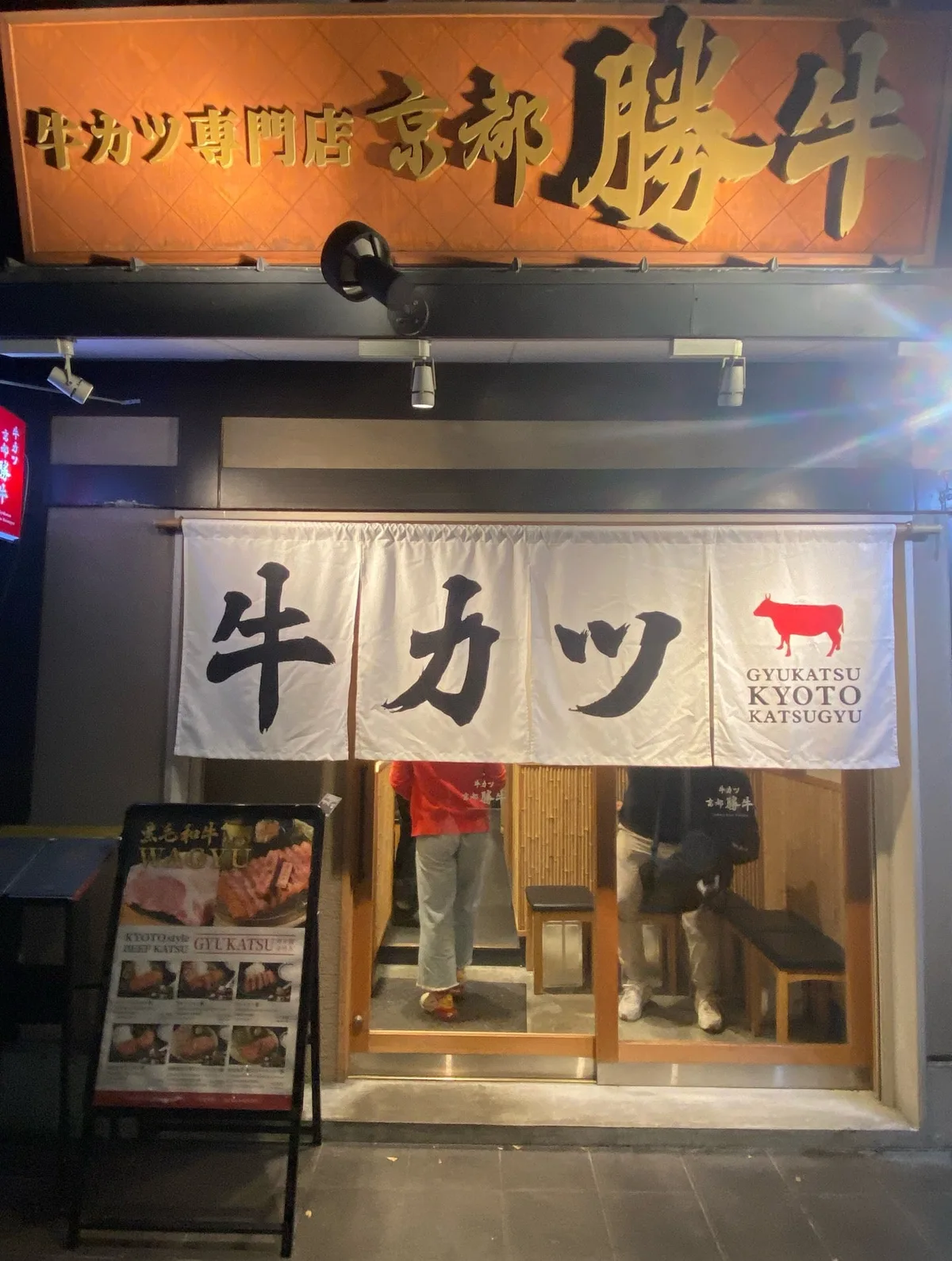
Why go
Gyukatsu, a thick-cut beef loin coated in panko and flash-fried so the inside stays rare, is one of the more recent additions to Japan’s fried-food canon, distinct from the pork-based tonkatsu most travelers already know. Katsugyu (also styled GYUKATSU Kyoto Katsugyu) has built its reputation on this dish specifically, and the Kyoto Ekimae branch has racked up an unusually high volume of reviews (over 17,000) with a 4.7 rating, a strong signal in a city saturated with tourist-trap dining near the station.
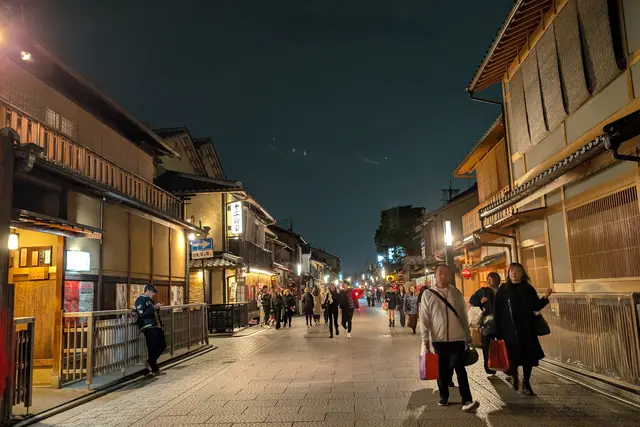
The address puts it in Shimogyo Ward’s Maoyachō, the dense block of restaurants and izakaya just north/west of Kyoto Station’s central exits, convenient for a meal bookended by sightseeing or before catching a Shinkansen.
What to eat
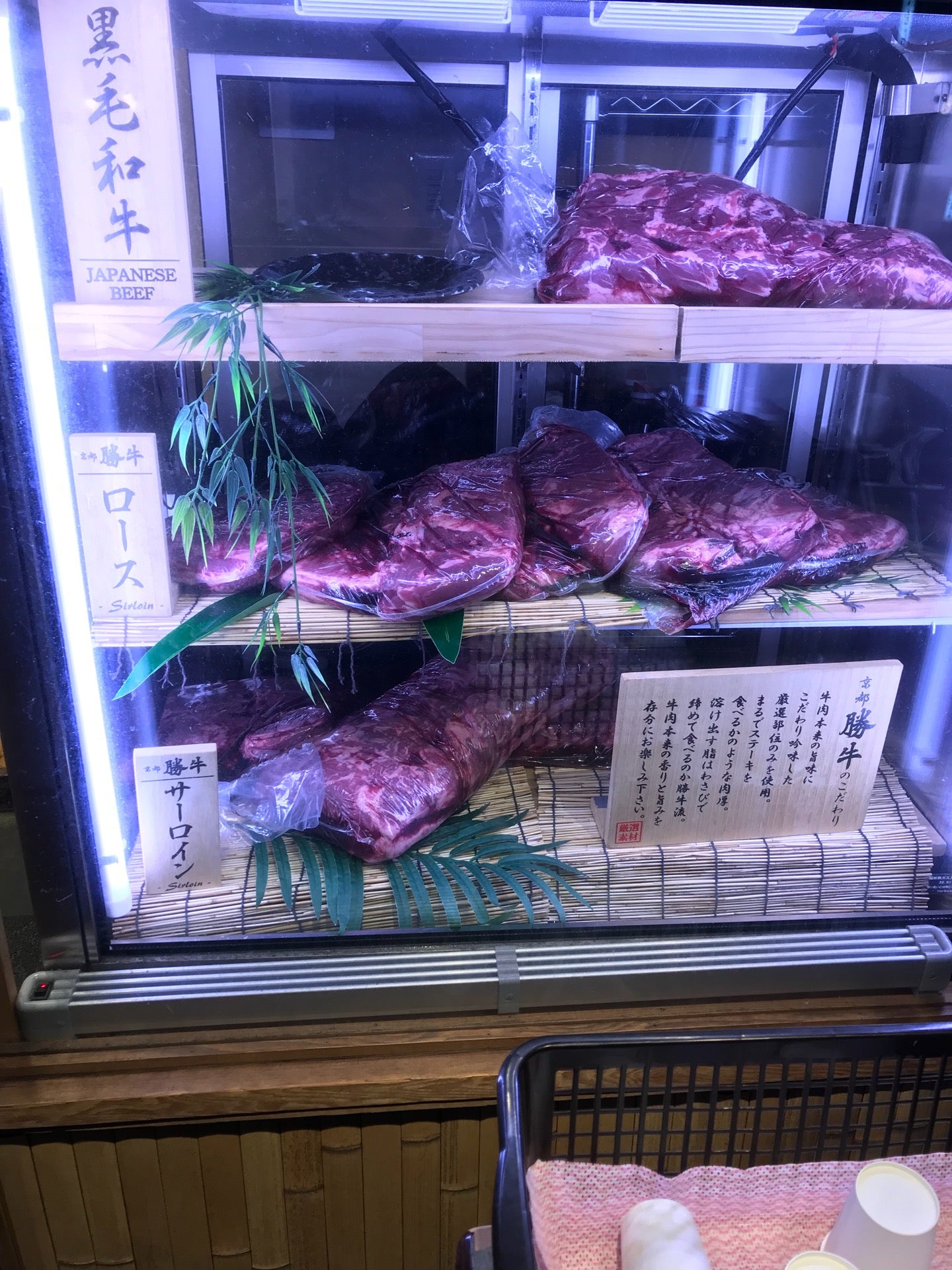
The format is simple and worth understanding before you sit down: you get a set (teishoku) built around a slab of breaded, fried beef loin sliced into thick strips, plain rice, miso soup, cabbage, and usually a raw egg or dipping sauces on the side. Crucially, each table has its own small stone or iron plate, the beef arrives seared on the outside but rare within, and you sear individual pieces yourself to taste, from very rare to well-done.
This interactivity is part of the appeal and worth doing slowly rather than cooking everything at once. Standard cuts have typically run in the 100–150g range with upsize options; portions can typically be increased for an extra charge, and rice/cabbage refills are often free. Ask staff, as this varies by branch and season. Sauces typically include a savory soy-based tare, wasabi, and salt, so try a few pieces each way before committing to one for the rest of the plate.
Getting there
The restaurant sits in Maoyachō, Shimogyo Ward, within easy walking distance of Kyoto Station’s central and north exits. The area is packed with small eateries and signage can be dense, so it’s worth pulling up a map rather than wandering by sight. This is the same neighborhood served by JR lines, the Karasuma Line, and the Kyoto City Bus terminal, making it one of the easiest restaurant destinations in the city to combine with an arrival, departure, or transfer.
Because it’s this close to the station, it’s a natural stop for a first or last meal in Kyoto rather than a special detour.
When to go
Given the review volume, expect a line at conventional mealtimes, typically somewhere around 12:00–13:30 for lunch and 18:30–20:00 for dinner. Arriving right at opening or in the mid-afternoon lull (around 14:30–17:00, if the restaurant runs continuous hours) meaningfully cuts wait times. As with most high-turnover restaurants near Kyoto Station, solo diners and pairs move through lines faster than larger groups. Hours and any seasonal closures should be confirmed on the day, since these details shift more often than the menu itself.
Nearby & tips
Because gyukatsu is meant to be seared to order, don’t rush the tabletop cooking, the beef continues to cook slightly after you plate it, so err toward less time on the stone than you think you need. Bring a light appetite for rice, since sets are usually rice-forward, and skip a heavy breakfast if you’re going for lunch. The Kyoto Station area also offers Kyoto Tower, Higashi Hongan-ji, and the Isetan department store’s basement food hall within a 10–15 minute walk, so it’s easy to pair a meal here with an hour of sightseeing on either side.
Given the price level and portion sizes, this is a solidly mid-range meal rather than a splurge, making it a practical choice for a filling lunch before a full day of temple-hopping.
Frequently asked questions
How do I get to GYUKATSU Kyoto Katsugyu Kyoto Ekimae?
It's in Maoyachō, Shimogyo Ward, an easy walk from Kyoto Station's central/north exits — reachable via JR lines, the Karasuma subway line, or the city bus terminal at the station.
How much does a meal cost?
Google lists it at price level 2 (moderate); expect a mid-range meal for the city for a standard gyukatsu set with rice, miso soup, and cabbage.
How long does a meal take, including waiting?
Plan for 45–75 minutes total: 15–30 minutes waiting during peak lunch (12:00–13:30) or dinner (18:30–20:00), plus 30-40 minutes to eat and sear the beef at your own pace.
What should I order?
Start with the standard gyukatsu set (teishoku), which includes rice, miso soup, and cabbage; try the beef with the soy-based tare, wasabi, and salt before deciding on one sauce.
What's nearby if I have extra time?
Kyoto Tower, Higashi Hongan-ji temple, and Isetan's basement food hall are all within a 10–15 minute walk, making it easy to combine the meal with light sightseeing near the station.
Plan your trip to Kyoto
Japan eSIM & staying connected →
Some links above are affiliate links — if you book through them, Wander Atlas earns a small commission at no extra cost to you. It's how we keep every guide free.