Kyoto Botanical Gardens: Travel Guide (4.4★)
When to visit Japan: month-by-month weather, crowds and holidays →
✓ Facts verified via Google Places · Sep 20, 2026
At a glance
Opening hours
- Monday: 9:00 AM – 5:00 PM
- Tuesday: 9:00 AM – 5:00 PM
- Wednesday: 9:00 AM – 5:00 PM
- Thursday: 9:00 AM – 5:00 PM
- Friday: 9:00 AM – 5:00 PM
- Saturday: 9:00 AM – 5:00 PM
- Sunday: 9:00 AM – 5:00 PM
How this guide is made
Produced with AI assistance and reviewed against live data sources. Facts such as hours, ratings, and location come from Google Places; images are licensed or public domain. Details can change — please verify before visiting. Editorial policy
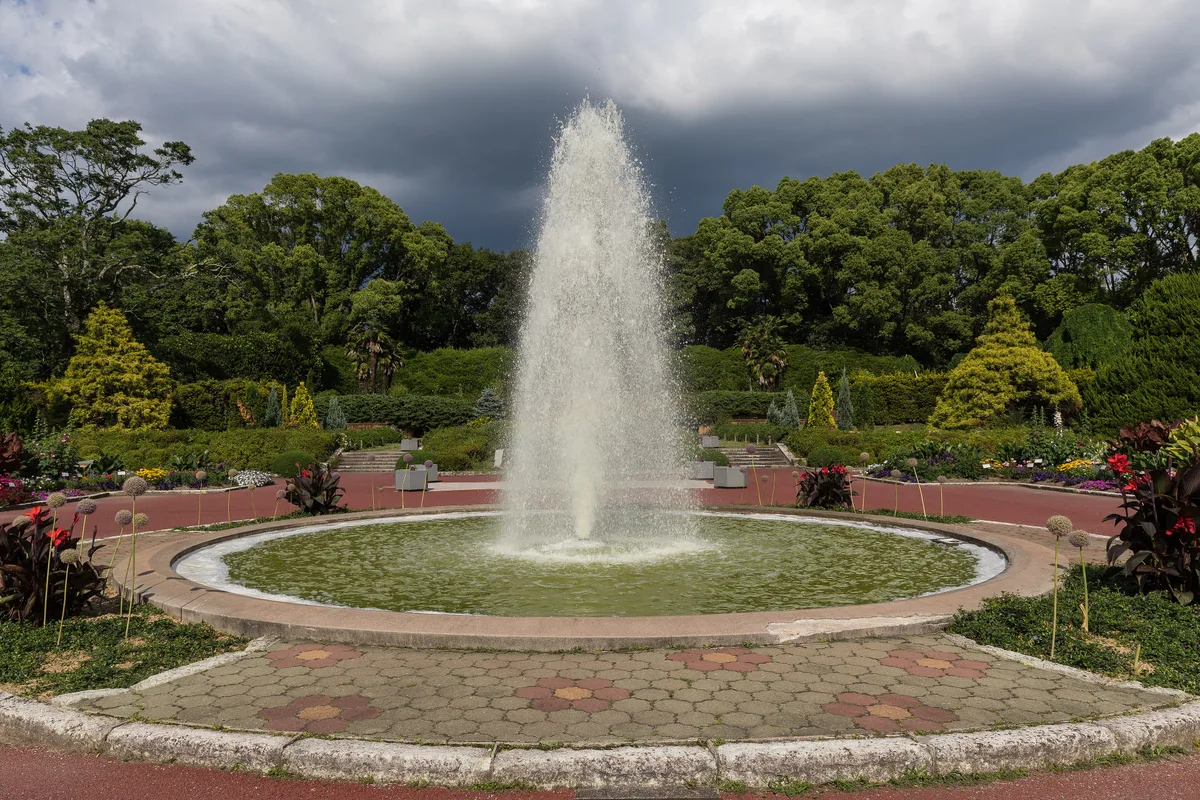
Most first-time visitors expect a small municipal park and instead find themselves walking for twenty minutes without reaching the far fence. Kyoto Botanical Gardens covers over 24 hectares in the Shimogamo area of Sakyo Ward, making it one of the largest botanical gardens in Japan, and the scale changes how you should plan the visit.
Getting oriented from the north gate
The main entrance sits at the north side of the grounds, closest to Kitayama Station on the Karasuma subway line, exit 3. From there you’re steps from the ticket booth and the broad central lawn that anchors the whole layout.
A second entrance near Kitaoji Station serves the same subway line one stop south, useful if you’re coming from central Kyoto and want a shorter walk in. Either way, the Kamo River runs along the garden’s eastern edge, so a stroll along the water is an easy add-on before or after.
What actually fills the 24 hectares
The gardens are organized by plant family and origin rather than by season alone, which is why the paths loop rather than run straight. Expect these zones as you move through:
- A conservatory (greenhouse) with tropical and desert plants, ferns, and orchids, ticketed separately from general admission
- A rose garden that peaks in late spring and again in autumn
- A cherry blossom grove with dozens of varieties, staggering the bloom window longer than a single park usually manages
- A pond garden with Japanese maples, colouring heavily in November
- An azalea and camellia section timed for late winter into spring
Because the collection is genuinely encyclopedic, a straight-through walk of the whole garden takes close to two hours before you’ve stopped anywhere.
The bloom calendar locals actually plan around
Kyoto’s botanical garden is one of the few spots in the city where cherry and maple seasons are both handled seriously rather than as an afterthought to a temple visit. Late March into early April brings the cherry grove into overlapping bloom across its many varieties, extending the usual week-long peak into something closer to three weeks. Mid-to-late November does the same for the pond garden’s maples.
Both windows are also the garden’s busiest, since it’s a very popular stop on Kyoto’s seasonal circuit rather than an under-the-radar option. If you want the blossoms or foliage without the densest crowds, aim for a weekday morning right after the 9am opening rather than a weekend afternoon.

The conservatory ticket nobody mentions
General admission gets you the outdoor gardens, but the large greenhouse near the centre of the grounds requires a separate, additional ticket bought at its own entrance. It’s easy to walk right past it if you don’t know to look. Inside, the layout runs from desert cacti through to a humid tropical house with orchids and palms, a useful stop on a rainy day since it’s fully indoor.
Buy the conservatory ticket when you arrive rather than deciding later; the entrance is a five-minute walk from the main gate and it saves backtracking. Confirm current combined-ticket pricing at the gate, since garden and conservatory fees are usually sold separately.
Walking the grounds without wasting your visit
Nine to five, every day of the week, is the fixed schedule here, with no early or late days to plan around. Arriving close to opening matters more in April and November than any other time; by mid-morning on a clear weekend the central paths near the cherry grove and pond fill in.
Bring cash as a backup for the conservatory ticket window and any small kiosk purchases, since not every point of sale takes cards. Benches are scattered generously through the lawn areas, so a packed lunch eaten garden-side is a normal, unhurried way to spend the middle of the visit rather than rushing to a restaurant nearby.
Photography is permitted throughout the outdoor sections, and the wide central lawn is where families and photographers both gather, so it’s rarely empty in daylight hours. Tripods draw more scrutiny near the rose garden during peak bloom, when foot traffic is heaviest.
Beyond the garden gates
The Kamo River path just east of the grounds connects north toward the Kamigamo area and south toward the Demachiyanagi confluence, both reasonable extensions of a garden visit on a mild day. Shimogamo Shrine, one of Kyoto’s oldest, lies within a comfortable walk south along the river, making a garden-then-shrine combination a common half-day plan.
Given the size of the site and the two ticketed sections, treat this as a half-day outing rather than a quick stop between temples. Visitors consistently rate it highly for how uncrowded the far reaches of the grounds feel even when the entrance area is busy, since most people don’t walk the full loop.
Frequently asked questions
How do I get to Kyoto Botanical Gardens?
Take the Karasuma subway line to Kitayama Station (main north entrance, exit 3) or Kitaoji Station, one stop south, for a second entrance. Both are a short walk from the ticket gates.
What are the opening hours?
The gardens are open daily, including weekends, from 9:00 AM to 5:00 PM year-round, with no shortened or closed days listed.
Is the greenhouse included in general admission?
No. The conservatory (greenhouse) requires a separate ticket bought at its own entrance about a five-minute walk from the main gate; check current combined pricing at the gate.
When is the best time to visit for cherry blossoms or autumn colour?
Late March to early April for the cherry grove, mid-to-late November for the maples around the pond garden. Both are the garden's busiest periods, so weekday mornings right at opening are calmer than weekend afternoons.
How long should I plan for a visit?
Budget two to three hours for a full loop of the 24-hectare grounds, more if you're adding the conservatory or planning a picnic on the central lawn.
Plan your trip to Kyoto
Some links above are affiliate links — if you book through them, Wander Atlas earns a small commission at no extra cost to you. It's how we keep every guide free.