You’d walk past the entrance without knowing it’s there. Jogeshwari Caves sit below street level, reached down a narrow lane off the main road in Jogeshwari East, hemmed in on all sides by apartment blocks that have crept right up to the cave mouth over the decades.
That’s the first thing that hits you: this isn’t a fenced-off monument on a hilltop. It’s a living temple wedged into the city’s fabric, with laundry lines and satellite dishes visible above the ancient rock.
Why Jogeshwari Caves matter
These caves predate Elephanta and the Ajanta-Ellora complexes further inland, among the oldest rock-cut cave sites in the Mumbai area. They were originally both Hindu and Buddhist in use, which shows in the mix of carvings inside.
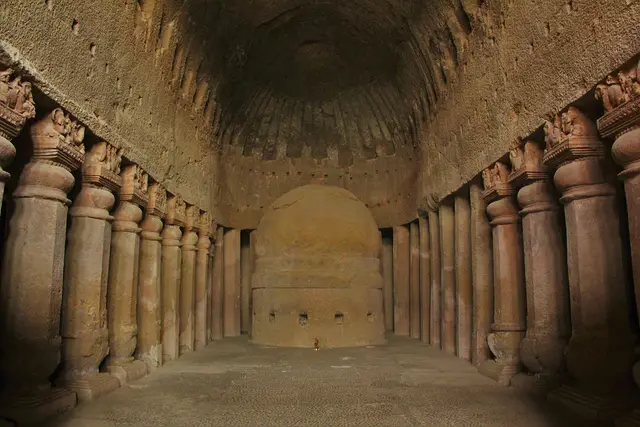
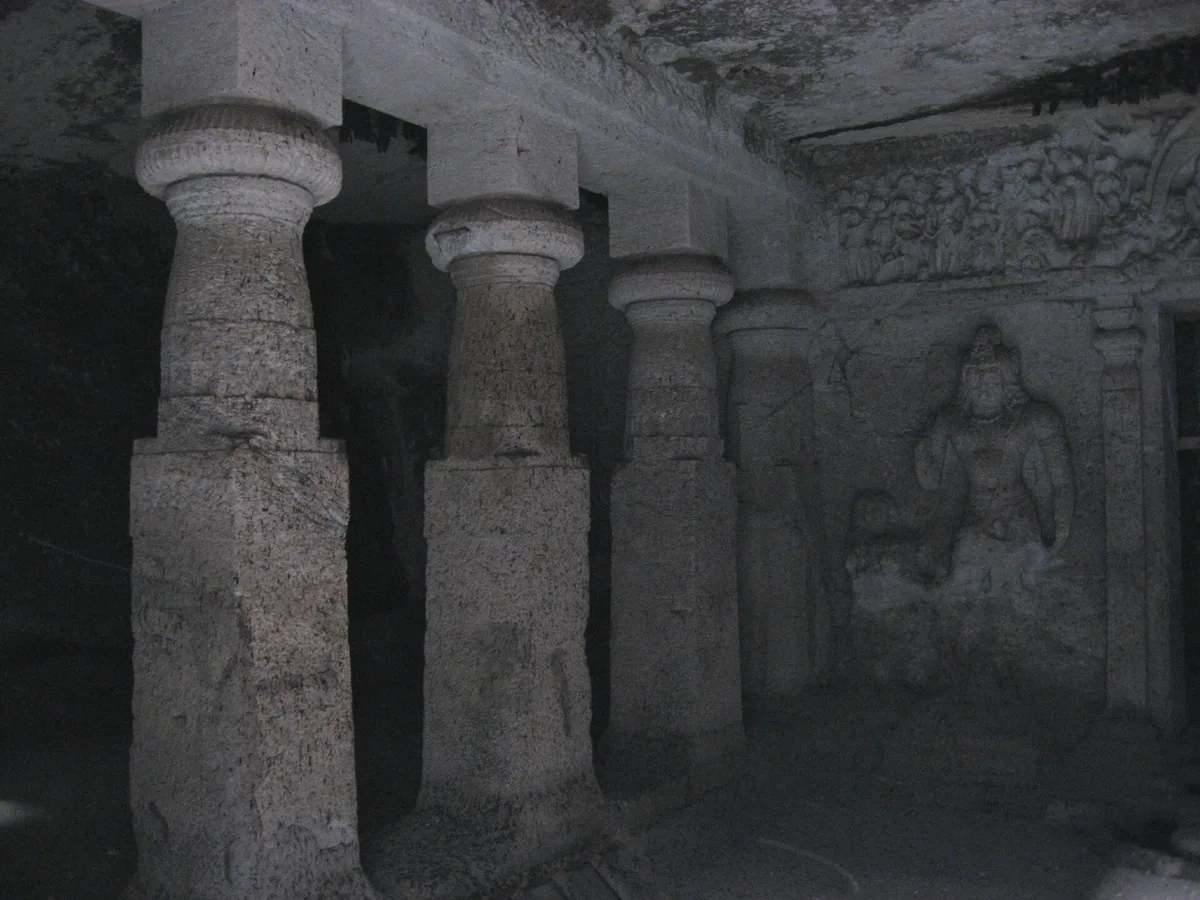
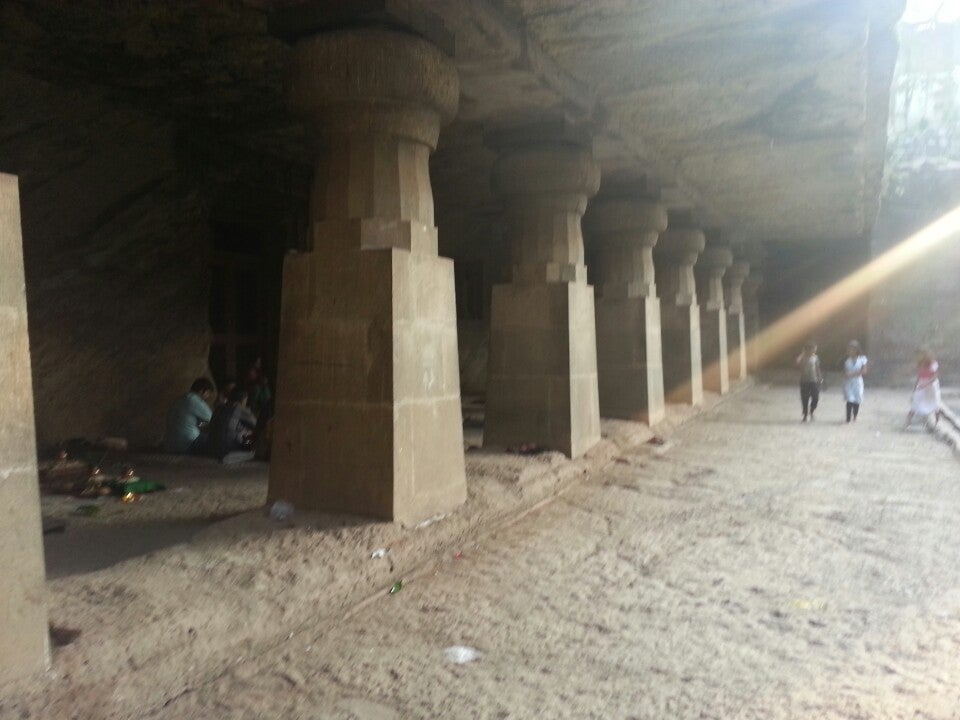
The main hall centers on a shrine to Jogeshwari, a form of the goddess Durga, still actively worshipped today. Massive stone pillars hold up a ceiling blackened by centuries of oil lamps and incense smoke.
Look for the weathered dvarapala guardian figures flanking the entrances and the Nataraja carving inside, worn by time but still legible if the light catches it right.
Getting there
The nearest station is Jogeshwari on the Western Railway suburban line, about a 10-15 minute walk or a short auto-rickshaw ride from the caves. From the station, head east and ask for “Gupha Tekdi”, locals know it by that name even if a map doesn’t.
If you’re coming from South Mumbai or the airport, a taxi or app-cab is easiest, though the last stretch is narrow and you’ll likely finish on foot. There’s no dedicated parking lot, so plan to park on a side street or arrive by train.
What you’ll actually see inside
The caves are compact compared to Elephanta, and you can cover the main hall and shrine in 30-45 minutes. Bring a small torch or use your phone light. The interior lighting is dim and uneven in places.
Things worth noticing:
- The scale of the columns relative to the low, weathered ceiling
- Carved niches that once held additional deities, now mostly worn smooth
- The active shrine area, where priests conduct daily rituals
- Water seepage stains that map centuries of monsoons
Because it’s a working temple, you’ll see devotees alongside sightseers, especially near the inner shrine. That overlap of ancient site and living faith is part of what makes it worth the detour.
When to go
The caves keep split hours daily: 6am to 1pm, then 4:30pm to 9pm. Plan around that midday closure, arriving at 2pm means a locked gate and a wasted trip.
Arriving soon after the 6am opening tends to be quieter, both on weekdays and weekends. That early slot also gives you softer light filtering into the hall, which helps for photos of the carvings.
Avoid weekend evenings between 5pm and 9pm. That’s when the temple fills with local worshippers arriving after work, and the narrow approach lane gets congested.
How to visit like a local
Dress modestly since this is an active place of worship, not just a monument, cover shoulders and knees. You’ll need to remove your shoes before entering the inner shrine area, so wear something easy to slip on and off.
There’s no formal entry ticket at the gate, and donations at the shrine are given in cash, usually small denominations. Keep some loose change or small notes handy rather than expecting a payment counter.
The etiquette mistake most visitors make is treating it purely as a photo stop and walking through the active shrine area loudly. Slow down near the deity, keep your voice low, and let worshippers move through first.
If you want the calmest experience, arrive right at 6am opening, before the day’s rituals and visitor traffic build up. Combine it with a morning trip to nearby Mahakali Caves, a similar rock-cut site a short drive away, to make the most of an early start into the suburbs.
Frequently asked questions
What are the opening hours for Jogeshwari Caves?
Daily from 6:00 AM to 1:00 PM, then again from 4:30 PM to 9:00 PM. The caves are closed to visitors between 1pm and 4:30pm, so plan your visit around that gap.
How do I get to Jogeshwari Caves?
Take the Western Railway suburban line to Jogeshwari station, then walk or take a short auto-rickshaw ride (10-15 minutes) to Gupha Tekdi. There's no dedicated parking, so the train is the most reliable option.
When is the quietest time to visit?
Both weekdays and weekends are calmest between 7am and 8am. Avoid weekend evenings from 5pm to 9pm, when local worshippers crowd the shrine after work hours.
How long should I spend at the caves?
Most visitors need 30-45 minutes to see the main hall, shrine, and carvings. Bring a small torch since the interior lighting is dim in parts.
Is there an entry fee?
There's no formal ticket booth; visitors typically leave a small cash donation at the shrine. Keep small denomination notes or coins on hand.
Plan your trip to Mumbai
India eSIM & staying connected →
Some links above are affiliate links — if you book through them, Wander Atlas earns a small commission at no extra cost to you. It's how we keep every guide free.