
A cacao stop between the stones
Ollantaytambo runs on granite. Inca walls line its narrow lanes, water channels run beside the paving, and terraces climb the slopes above the Urubamba River. ChocoMuseo Ollantaytambo is a quieter thing to find among all that: a chocolate shop in a town most visitors only pass through on the way to the train.
It is well reviewed without being famous. Most people here are thinking about Machu Picchu, so the shop stays fairly calm. That makes it an easy, low-effort break between the ruins and your departure.
What ChocoMuseo actually is
ChocoMuseo is a Peruvian chocolate brand with branches in Cusco and other cities. The name means “chocolate museum”. The brand is best known for small displays about how cacao becomes chocolate, plus hands-on chocolate-making workshops at some locations.
Google lists this branch as a chocolate shop, so think of shopping first. Don’t arrive expecting a full exhibition. Ask at the counter which workshops, if any, are running here during your visit, and when.
Peru grows serious cacao. One of the closest growing areas is La Convención province, around Quillabamba, in the same Cusco region as the Sacred Valley. Read the labels for where the beans come from. It is a good reason to buy here rather than at the airport.
Fitting it around the fortress and the train
Ollantaytambo is small, so your timing matters more than your route. A typical day here covers:
- The Ollantaytambo archaeological site: the steep terraces and the unfinished Temple of the Sun above the main square.
- Pinkuylluna: the Inca storehouses on the hillside opposite, a short, steep climb with views back over the fortress.
- The old town grid: the lanes north of the Plaza de Armas, where Inca walls still frame doorways that people live behind today.
- The railway station: down by the river, where PeruRail and Inca Rail trains leave for Aguas Calientes.
The chocolate shop slots in well as a last stop before your train. It also works as a reward after the fortress steps. Ask your hotel for directions, or ask anyone near the plaza for “el ChocoMuseo”.
Hours, and the Wednesday problem
Check what day it is before you walk over. Currently it opens 9am–6pm Monday, Tuesday and Thursday through Sunday, and it is closed on Wednesdays. If your Sacred Valley day lands on a Wednesday, plan to visit a ChocoMuseo branch in Cusco instead.
These are the hours Google shows this week. Small shops change their schedules around holidays and the low season, so check again close to your visit. A 6pm close also means a late-evening train leaves you no time to shop after dinner: go in the afternoon.
Buying chocolate without the fuss
A few habits make the visit smoother:
- Carry soles in small notes. Cash is still the default in Ollantaytambo’s small shops. Ask before you choose, “¿Aceptan tarjeta?”, rather than at the till.
- Book a workshop ahead. If you want the hands-on session, ask the day before or in the morning, since these usually run at set times with limited places.
- Ask about tasting. “¿Puedo probar?” is a polite way to ask whether samples are available. Don’t assume they are.
- Protect your bars. The valley sun is strong at 2,800 metres, and chocolate in an outer backpack pocket softens fast. Pack it deep in your bag before the train or a hike up to Pinkuylluna.
- Buy gifts last. The bars are light and they travel well, so they’re a sensible final purchase before Machu Picchu or the bus back to Cusco.
Prices are on the shelves and at the counter. Check them there; you are not expected to bargain in a shop like this, unlike at the market stalls by the plaza.
Making a Sacred Valley day of it
Most travellers reach Ollantaytambo by road from Cusco, roughly two hours away. They come by private transfer, on a tour, or by shared colectivo via Urubamba. Others stay overnight in town to catch an early train, which leaves a slow afternoon free for the lanes and a chocolate stop.
If you are heading back towards Cusco, the Sacred Valley route passes Urubamba, Pisac and the salt pans at Maras. With a hot chocolate’s worth of time to spare, Ollantaytambo itself is the better place to spend it. Walk the Inca grid after the day-trippers leave and watch the light move up the terraces.
Frequently asked questions
Is ChocoMuseo Ollantaytambo open on Wednesdays?
No. Google currently lists it as closed on Wednesday. On the other six days it opens 9am–6pm. Check again close to your visit, as small shops change their hours around holidays.
How long should I spend at ChocoMuseo Ollantaytambo?
Plan on 20–30 minutes to browse and buy. If the branch is running a chocolate-making workshop, allow a couple of hours and ask at the counter about times in advance.
Can I visit before catching the train to Machu Picchu?
Yes, it makes an easy stop on the way to Ollantaytambo station, where PeruRail and Inca Rail trains leave for Aguas Calientes. Go during opening hours, before 6pm, and pack your chocolate deep in your bag, away from the sun.
How do I get to Ollantaytambo from Cusco?
The drive takes about two hours. You can take a private transfer, a Sacred Valley tour, or a shared colectivo via Urubamba. Once you're in town, everything is within walking distance of the Plaza de Armas.
What else is near ChocoMuseo in Ollantaytambo?
The Ollantaytambo archaeological site and its terraces, the Pinkuylluna storehouses on the opposite hillside, the Inca-era street grid north of the plaza, and the railway station by the Urubamba River.
Plan your trip to Ollantaytambo
Peru eSIM & staying connected →
Some links above are affiliate links — if you book through them, Wander Atlas earns a small commission at no extra cost to you. It's how we keep every guide free.
Related guides
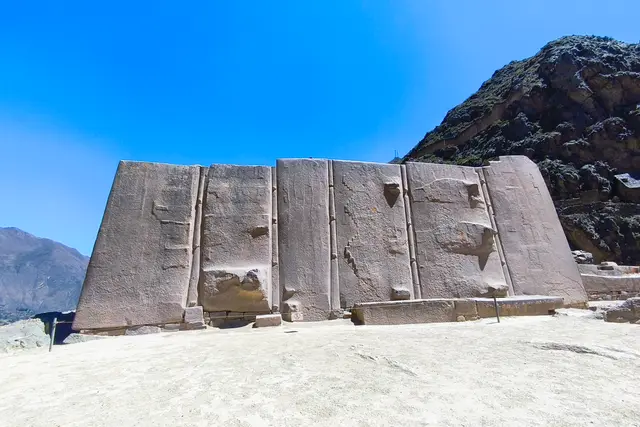 attraction
Templo del sol: Ollantaytambo Travel Guide (4.8★)
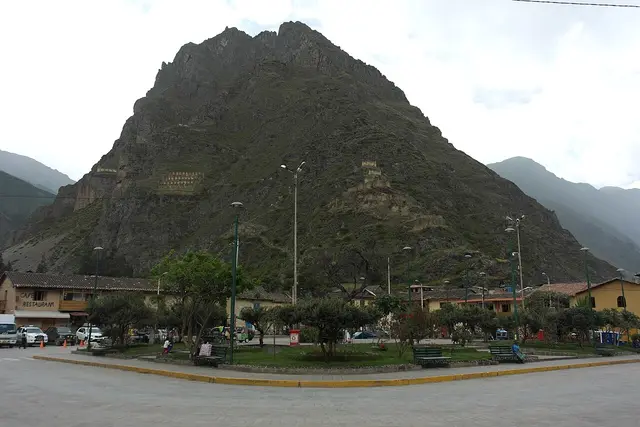 hidden gem
Plaza de Armas de Ollantaytambo: Travel Guide (4.7★)
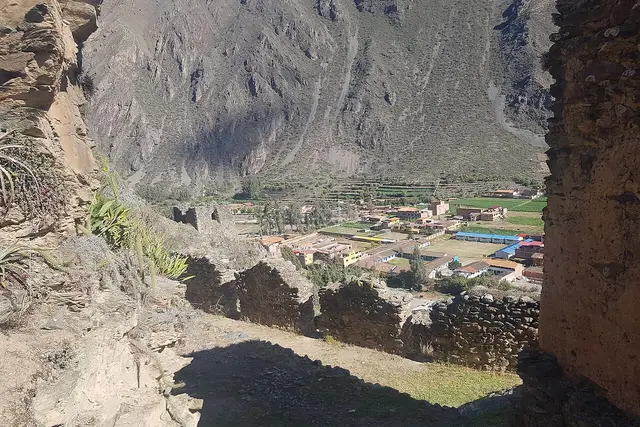 attraction
Sitio arqueológico Pinkuylluna: Ollantaytambo Travel Guide
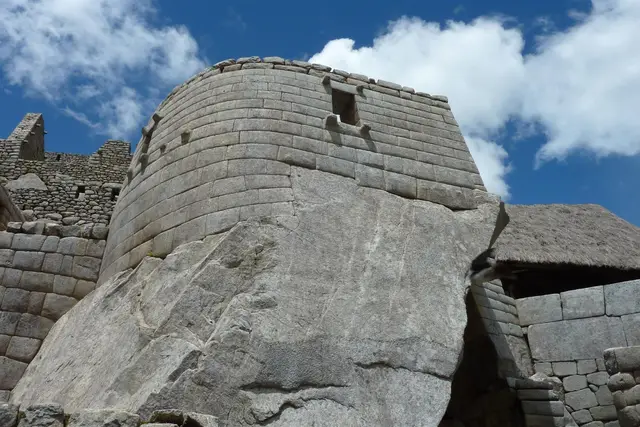 attraction