A winter race through Osaka’s streets
The Osaka Women’s Marathon takes place on January 31, 2027. In Japanese it is the Ōsaka Kokusai Joshi Marathon (大阪国際女子マラソン). It has been held every winter since the early 1980s, which makes it one of the oldest women-only marathons anywhere.
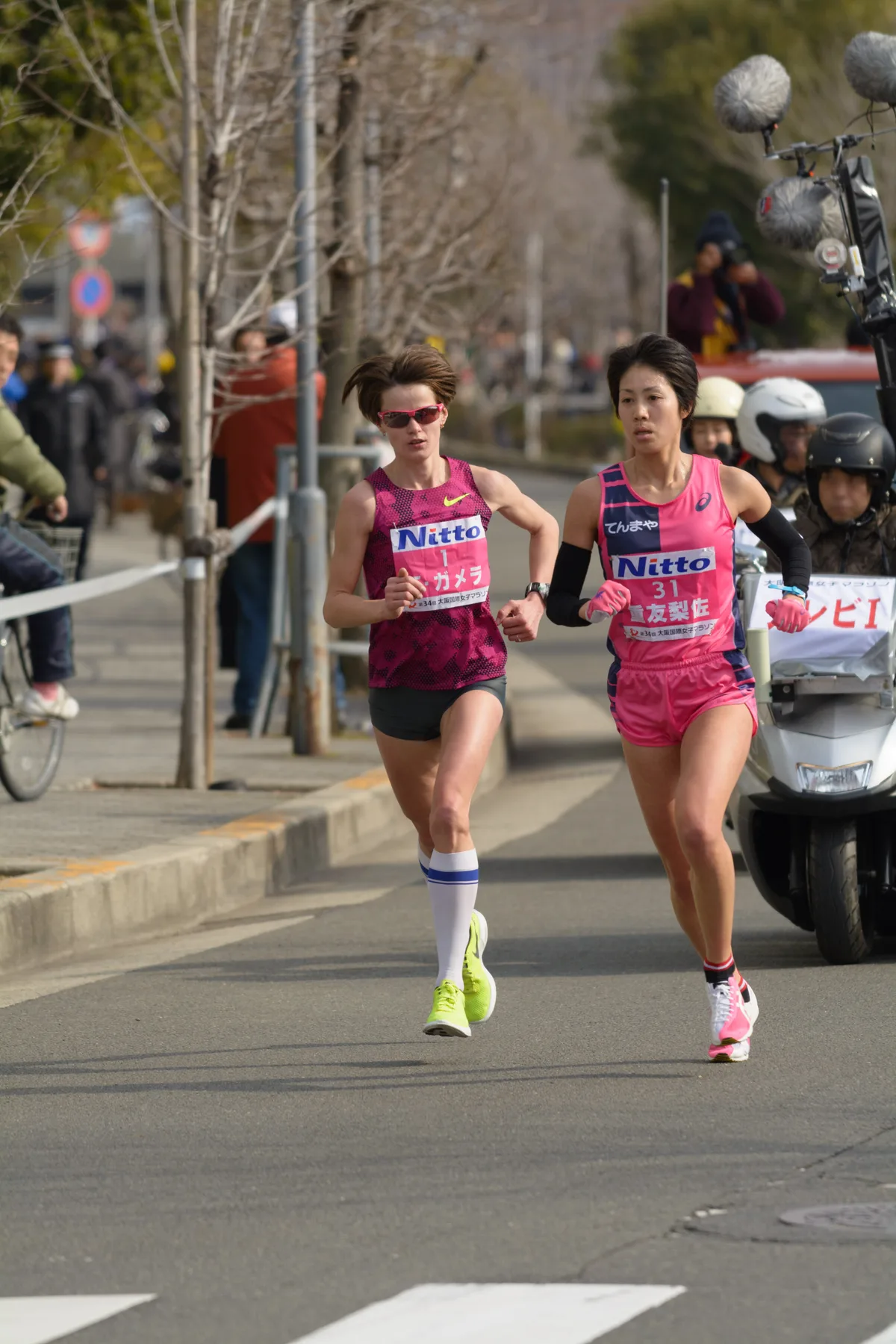
This is not a mass-participation race. The field is invited elites plus women who have met a qualifying time. Japan’s athletics federation uses the race to help pick its marathon teams for global championships, so the front of the field is fast and the stakes are real.
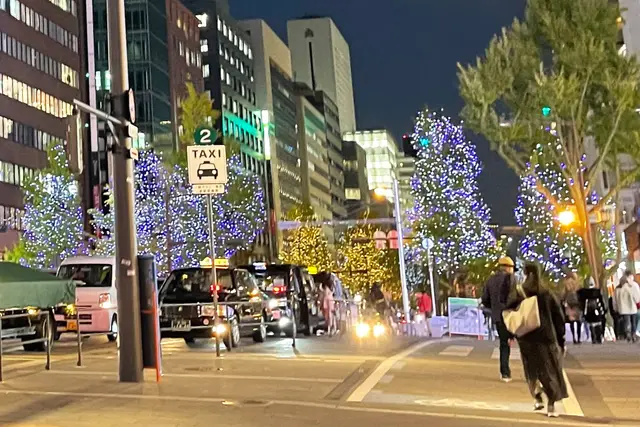
Late January is Osaka’s coldest stretch of the year. That is why runners like it, since cool air suits fast times. For spectators it means standing still in single-digit temperatures, so most come in heavy coats, gloves and hats.
Nagai Park and the course
The race starts and finishes at the athletics stadium in Nagai Park, in Higashisumiyoshi Ward in southern Osaka. Between start and finish the course heads north into the city on wide main roads, which are closed to traffic for the morning.
Getting to Nagai is straightforward:
- Osaka Metro Midosuji Line to Nagai Station, a short walk from the park.
- JR Hanwa Line to Nagai Station, right next to the metro stop.
- From Namba or Umeda, the Midosuji Line runs straight there with no change.
The stadium lap at the finish is the race’s best moment: runners come in off the road and do one last circuit in front of the stands.

Tickets, entry and broadcasts
Watching from the roadside does not need a ticket. Spectators line the closed streets wherever there is room behind the barriers. Busy spots are usually near the stadium and on the long, straight stretches in the city centre.
Runners don’t buy entry like they would for a city marathon. The field is made up of invitations and women who have met the qualifying standards. The organiser publishes entry standards, the course map and road closure times on the race’s official site.
Japanese network television carries the race live from start to finish. Many locals watch at home and only step outside when the leaders pass their street.
Cheering the Japanese way
Watching from the kerb in Japan has some quiet rules:
- Stay behind the ropes or barriers. Marshals keep the road completely clear, and stepping out to take photos is frowned on.
- Clap and call “Ganbatte!” (“Go for it!”). Spectators shout this to every runner, not just the leaders, and lots of people wave small flags.
- Expect the leaders to pass in seconds. Many fans watch one spot early on, then take the metro to see the finish.
- Pay for transport with an IC card. ICOCA and other Japanese transit cards work on both the metro and JR lines. They save queuing at the ticket machines when the crowds head home after the race.
Convenience stores near the course sell hot canned coffee and hand warmers (kairo). Kerbside spectators usually tuck the warmers into their pockets for the long wait in the cold.
Frequently asked questions
When is the Osaka Women's Marathon 2027?
It takes place on January 31, 2027. The race is held in Osaka every year in late January.
Do I need a ticket to watch?
No. Watching from the roadside along the closed course doesn't need a ticket. Spectators stand behind the barriers wherever there is space.
Where does the race start and finish?
It starts and finishes at the athletics stadium in Nagai Park, Higashisumiyoshi Ward. Nagai Station is close by on the Osaka Metro Midosuji Line and the JR Hanwa Line.
Can amateur runners enter?
Only if they meet the qualifying standards. It is an elite women's race with invited athletes and qualifiers, and the organiser lists the entry standards on its official site.
What is the weather like on race day?
Late January is Osaka's coldest time of year. Spectators usually wear heavy coats, gloves and hats, and carry hand warmers from convenience stores.
Plan your trip to Osaka
Japan eSIM & staying connected →
Some links above are affiliate links — if you book through them, Wander Atlas earns a small commission at no extra cost to you. It's how we keep every guide free.