A marathon split between teammates
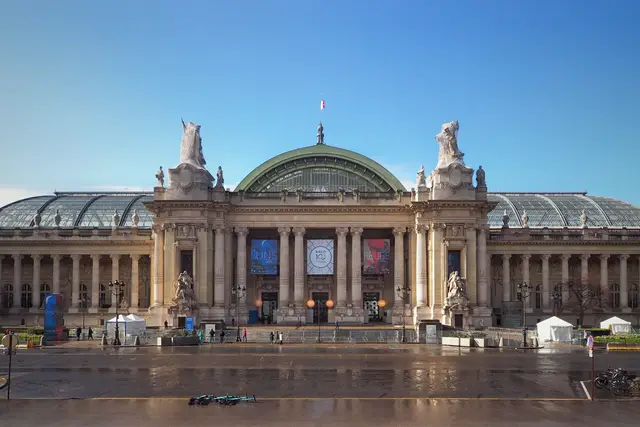
The Paris Ekiden was set for Sunday, November 1, 2026. It covered the full marathon distance of 42.195 km. Instead of one runner going the whole way, each team split it into legs and handed over at exchange points along a route past the city’s landmarks.
The format comes from Japan, where the first ekiden ran from Kyoto to Tokyo in 1917. There the baton is a cloth sash called the tasuki, worn across the chest and passed on at each changeover. The classic international road-relay version uses six legs: 5 km, 10 km, 5 km, 10 km, 5 km and 7.195 km.
Entries, route and the holiday date
For an ekiden, a “ticket” means a team entry. Entry terms covered team size, leg lengths and the route through the city.
Watching usually costs nothing. Spectators line the barriers on public streets, the way they do at other Paris road races.
The date mattered for a few reasons:
- Toussaint: 1 November is All Saints’ Day, a French public holiday. In 2026 it fell on a Sunday, when many shops are closed.
- Clocks: France turned its clocks back on 25 October 2026, so sunrise in early November comes at roughly 8am.
- Weather: early-November days in Paris are usually cool, typically around 10°C, often grey and sometimes wet.
Watching from the barriers
The exchange zones are where an ekiden is most worth watching. The incoming runner arrives, the next one waits in the box and the handover happens in seconds. Spectators usually cluster at these points rather than spreading out along the straights.
Here’s how race-day Paris tends to work:
- Cheering: French crowds shout “Allez !” followed by a name or team. Calling out a team’s name at a changeover gets noticed.
- Getting around: streets on a race course close to traffic. Spectators usually move between viewing points by Métro or RER, which run on a Sunday timetable on Sundays and holidays.
- Transport tickets: station machines take bank cards, and the RATP app sells digital tickets.
- Cafés: contactless card payment is close to universal. Service is included in the bill (service compris), so leaving small change is a courtesy, not an obligation.
- Clothing: standing still at a barrier on a November morning feels colder than running. Regular spectators bring a layer and something for drizzle.
Rounding out race day
Toussaint has its own customs. Parisian families visit cemeteries with pots of chrysanthemums, the traditional flower of the day. Florists’ stalls by cemetery gates are stacked with them.
Père-Lachaise in the 20th arrondissement draws more visitors on Toussaint than on an ordinary Sunday. Its cobbled lanes and family tombs make a quiet contrast to the barriers and finish-line noise of a road race. Montparnasse Cemetery in the 14th and Montmartre Cemetery in the 18th follow the same tradition.
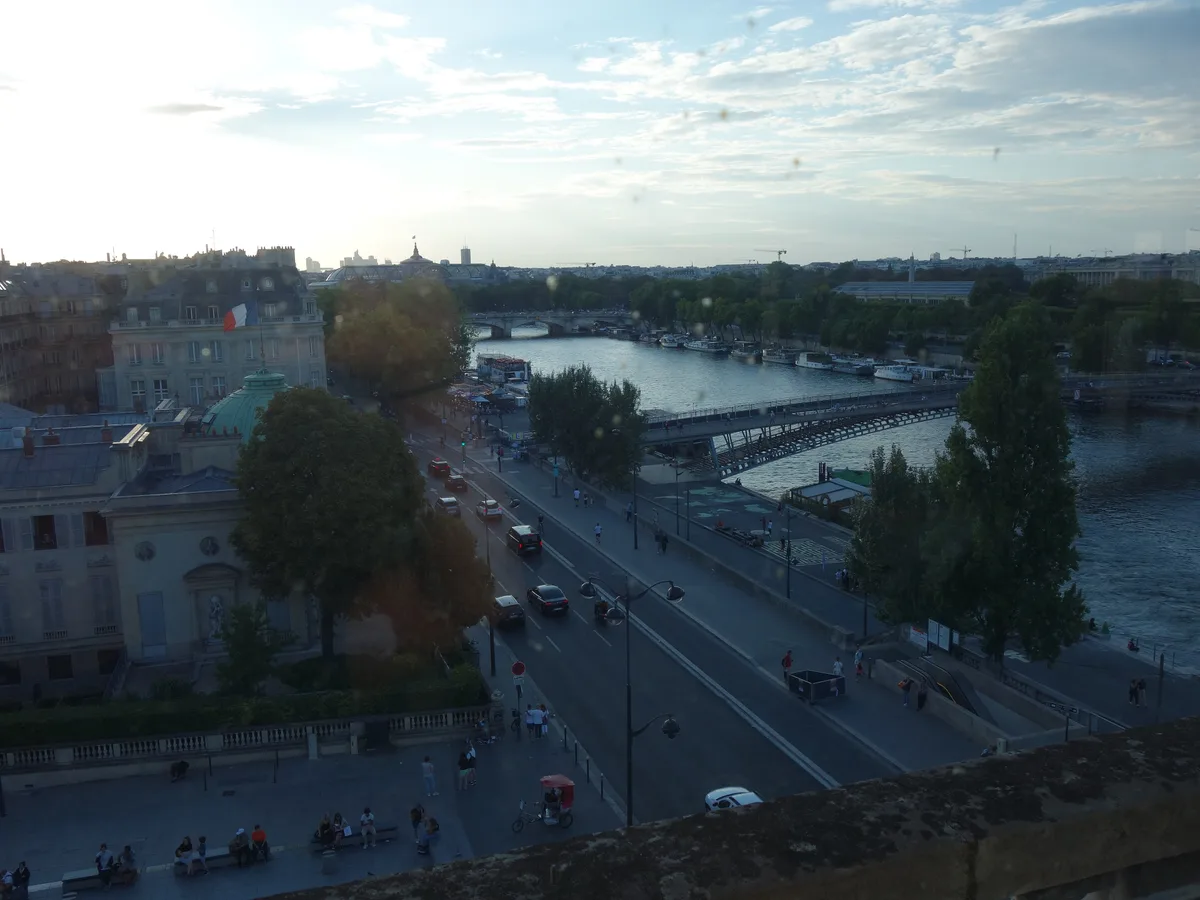
When the holiday lands on a Sunday, sit-down lunch spots fill up and many shops stay shut. Bakeries and cafés make up most of what’s open in residential streets. The open-air markets and the Seine quays are where many people spend the afternoon once a morning race is over.
Frequently asked questions
When is the Paris Ekiden 2026?
The 2026 edition was set for Sunday, November 1, 2026. That's Toussaint (All Saints' Day), a public holiday in France when many shops are closed.
How do tickets work for the Paris Ekiden?
Tickets were team entries, with entry terms covering team size and leg lengths. Spectators at road relays like this watch from the public route and don't need a ticket.
What is an ekiden?
It's a Japanese long-distance relay. A team shares the marathon distance of 42.195 km, and each runner covers one leg before handing over, traditionally with a cloth sash called a tasuki. The classic road-relay format has six legs.
Where is the best place to watch?
Spectators usually gather at the exchange zones, where one runner hands over to the next. The 2026 route was planned past Paris landmarks. Roads on a race course are closed, so people move between viewing spots by Métro or RER.
What is the weather like in Paris in early November?
It's usually cool, typically around 10°C, often grey and sometimes drizzly. Sunrise is around 8am because French clocks go back in late October; in 2026 the change fell on 25 October.
Plan your trip to Paris
France eSIM & staying connected →
Some links above are affiliate links — if you book through them, Wander Atlas earns a small commission at no extra cost to you. It's how we keep every guide free.