Why go
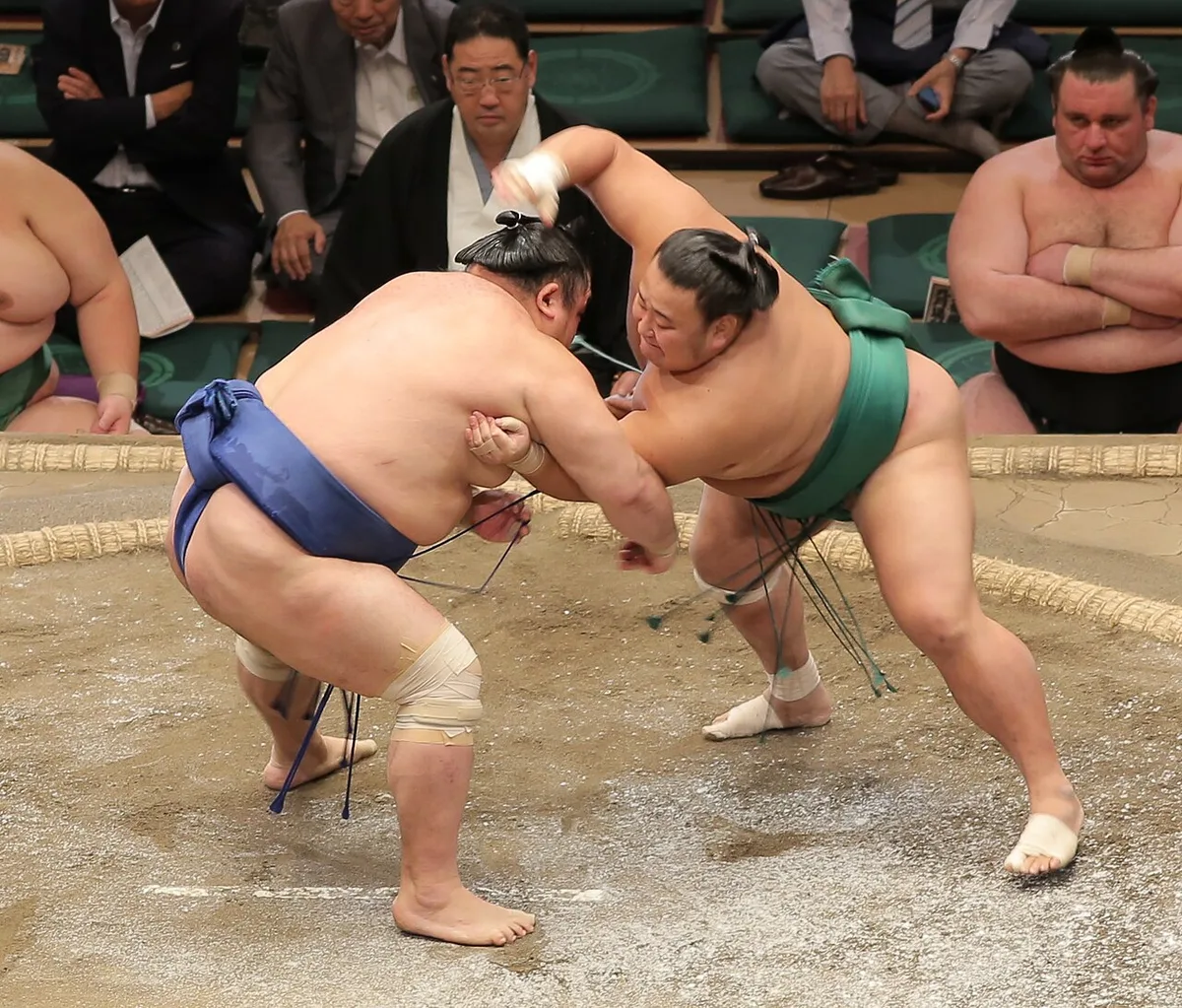
Sumo is Japan’s national sport, and the Grand Tournaments (honbasho) are the only place to see it at its highest level, with rituals largely unchanged for centuries, the salt-throwing, the stomping to drive away evil spirits, the ceremonial aprons of the top-ranked rikishi. The Aki Basho is one of six honbasho held annually across Japan and one of three staged in Tokyo (alongside the January and May tournaments), making September a rare window to catch elite sumo without leaving the capital.
The 15-day format means every wrestler faces a different opponent each day, with rankings and bragging rights shifting daily until the final-day deciding bouts.
Getting there
The tournament was set for Ryogoku Kokugikan, sumo’s spiritual home, in Tokyo’s Ryogoku neighborhood on the east side of the Sumida River. The arena sits a short walk from Ryogoku Station, served by both the JR Sobu Line and the Toei Oedo Subway Line, from the JR station’s west exit it’s roughly a 5-minute walk following signs and banners toward the venue. The surrounding streets are lined with sumo-stable flags and chanko-nabe restaurants, and they are part of the experience as much as the arena itself.
What to see and do
Doors were scheduled to open in the morning, with junior-division wrestlers (jonokuchi through juryo) competing first in a mostly empty arena, a good chance to watch technique up close with few people around. The atmosphere builds through the afternoon as the top makuuchi division takes over, culminating in the ring-entering ceremonies (dohyo-iri) for the sekitori-ranked wrestlers and the final bouts of the day, usually finishing around 6pm.
Inside, the Kokugikan houses a small sumo museum near the entrance, worth a quick look before or after the action. Ringside “sunken” box seats (masu-seki) put spectators closest to the clay ring, while upper-level chair seating offers a fuller view of the dohyo and its suspended roof.
When to go
All 15 days were set to follow one another without rest days, so there was no single “best” day to catch top-division sumo. The schedule included makuuchi bouts every day. The final few days traditionally draw the biggest crowds and the highest stakes, as championship contention narrows and yusho (tournament) implications become clear. Weekdays, especially in a tournament’s first week, are generally calmer and easier to get tickets for than weekends.
Tickets and practical notes
Tickets were sold in advance through the official Japan Sumo Association website and authorized vendors, with categories ranging from ringside box seats to more affordable upper-balcony chairs, plus same-day tickets sometimes available at the venue box office for early risers. With a headline Tokyo event and fixed, limited seating, popular dates and seat categories typically go weeks ahead.
How to visit like a local
Regular sumo-goers treat the early divisions as part of the show rather than something to skip, arriving only for the top-ranked bouts means missing the quieter, more technical junior matches and a much easier time finding your seat. Cash is useful for food stalls and souvenir stands inside the venue, as sumo culture still works heavily on cash transactions even as card and mobile payment options slowly expand.
Etiquette inside the hall is relaxed compared to some Japanese venues, eating bento boxes and drinking beer at your seat is completely normal, but loud disruption during a bout itself draws sharp looks. Morning practice sessions (asa-geiko) at nearby sumo stables are a well-known local tip for spotting wrestlers off-duty, though access varies and is normally arranged through official or hotel-coordinated channels rather than showing up unannounced.
The most common visitor mistake is treating this as a quick photo-op: regulars settle in for hours, following multiple bouts and the rhythm of ritual before each clash, since individual matches themselves often last only seconds.
Frequently asked questions
What are the exact dates of the 2026 Aki Basho?
The dates were September 13–27, 2026, at Ryogoku Kokugikan in Tokyo. The Aki Basho is one of six honbasho on the annual calendar and one of three staged in Tokyo.
How do I get to Ryogoku Kokugikan?
Take the JR Sobu Line or Toei Oedo Subway Line to Ryogoku Station; the arena is about a 5-minute walk from the station's west exit.
How much do tickets cost and where do I buy them?
Prices vary by seat type, from ringside box seats to upper balcony chairs, and they change from tournament to tournament. For the 2026 Aki Basho, tickets were sold through the official Japan Sumo Association website and authorized vendors, with some same-day seats at the venue box office.
How long should I plan to stay?
A full day runs from late morning junior bouts through top-division matches ending around 6pm; most visitors stay at least 2-3 hours for the higher-ranked wrestlers and closing ceremonies.
Is there anything to do nearby?
The Ryogoku neighborhood has a small sumo museum inside the Kokugikan, plus numerous chanko-nabe (sumo stew) restaurants and streets lined with sumo stables.
Plan your trip to Tokyo
Japan eSIM & staying connected →
Some links above are affiliate links — if you book through them, Wander Atlas earns a small commission at no extra cost to you. It's how we keep every guide free.