On one side is a lake that runs south into Sudan. On the other, far below, the Nile looks narrow and almost tame. The High Dam of Aswan is a road across a wall of rock and clay, roughly 3.6 km long and over 100 m high, and standing on it explains modern Egypt better than most museums.
It is not pretty in the usual sense. It is very big. Its scale is the reason to come.
Two dams, one river
Aswan has two dams, and visitors mix them up. The older Aswan Low Dam was first built by the British in 1898 and raised twice afterwards. It sits downstream, closer to town, and the road to the airport and Philae crosses it.
The High Dam is the bigger one, completed in 1970 after a decade of work under President Gamal Abdel Nasser. Soviet engineers and Soviet money helped build it, after Western backers pulled out of the project. That story fed straight into the Suez Crisis of 1956.
What the dam did is easy to list:
- Ended the annual Nile flood that had shaped farming in Egypt for millennia
- Gave the country year-round irrigation and a large share of its electricity at the time
- Created Lake Nasser, one of the largest artificial lakes in the world
- Drowned much of historic Nubia and displaced its people
Standing on the crest
The viewing stop is a pull-off on the dam road. From there you look one way over the open water of Lake Nasser and the other way down to the river and the power station. The two sides of the wall show you exactly what the dam holds back.
There is little shade. Expect concrete, railings, wind off the water and a few vendors. Most people walk the edge, take photos facing the lake and the river, and are back in the car within half an hour.
If your driver doesn’t stop on his own, ask for the central lookout. Some tours drive straight over and count that as the visit.
The lotus on the west bank
At the western end stands the Monument of Arab-Soviet Friendship. Locals call it the Lotus Tower. Its five concrete petals rise above the road and mark the partnership that built the dam. Soviet-style reliefs decorate the base.
Whether you can go up to the platform at the top changes over time. Ask your driver or guide on the day rather than counting on it. The monument looks best from the road anyway, framed against the desert.

Getting past the checkpoint
The dam is critical national infrastructure, and the visit runs on security rules. These matter more than anything else here:
- Carry your passport. Police check vehicles on the approach, and tour drivers expect to show documents.
- Pay at the gate. Foreigners usually pay an entry charge at the checkpoint. The current amount is posted there; your driver will know it.
- Don’t fly a drone. Bringing one into Egypt is restricted, and this is the worst possible place to try.
- Photograph the view, not the security. Cameras pointed at the lake and river are normal. Lenses aimed at guard posts, soldiers or the power installations are not.
- Don’t wander off. Stay at the lookout areas and don’t walk along the road between stops.
Getting there is by car. There’s no useful public transport for visitors. The usual options are a hired taxi or private driver from the Corniche for a half-day, or a tour booked through your hotel or Nile cruise. Agree the stops before you set off: High Dam, Philae, Unfinished Obelisk. Agree the price before you set off too, and in Egyptian pounds.
Timing the heat, not the crowds
Google currently lists the dam as open around the clock. In practice it’s a daylight visit, and the checkpoint rules can change, so don’t plan an evening trip without asking locally. What really limits you is the sun.
From late spring to early autumn, Aswan is one of the hottest places in Egypt, and the dam crest has no cover. Go early. Cruise groups often do the loop in the morning, so expect coaches. A private driver can usually time your stop around them. Winter is the comfortable season, and the busiest.
Bring a hat and water. Wear sunglasses too, because the glare off the lake is strong.
What the lake swallowed, and what was saved
The flooding of Nubia set off one of the great rescue projects of the 20th century. UNESCO led an international campaign in the 1960s to move whole temples above the rising water. Several of them are close to where you’re standing.
- Abu Simbel, cut into blocks and rebuilt on higher ground about 280 km south. Most people visit on a long day trip from Aswan.
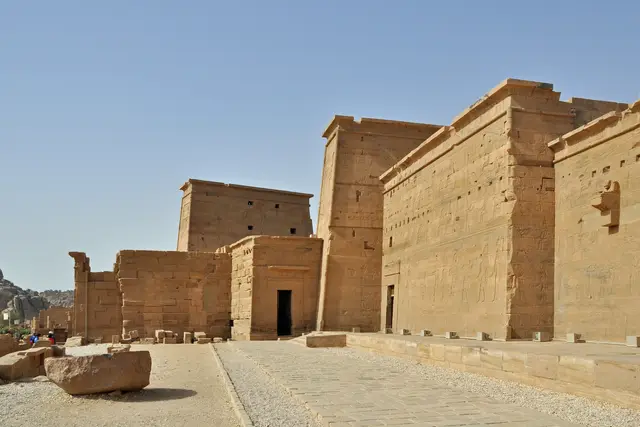
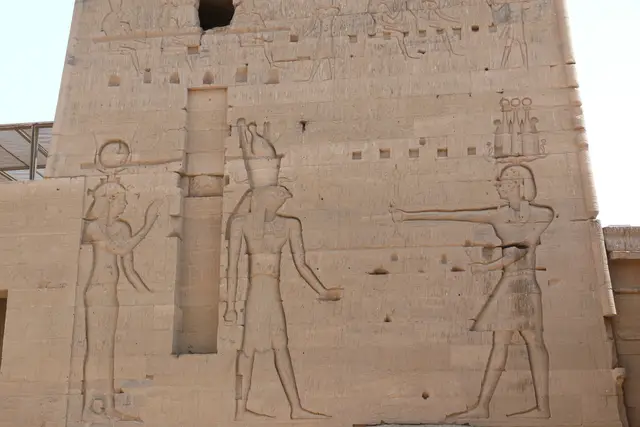
- Philae Temple, moved to Agilkia Island between the two dams. It’s reached by boat and usually visited on the same loop.
- Kalabsha Temple, rebuilt on the west bank of the lake near the High Dam. It gets far fewer visitors than Philae.
- The Nubian Museum in Aswan town, which covers the culture the lake displaced and the rescue campaign itself.
Seen in that order, the dam reads differently. It is a feat of engineering, and it is also the reason these temples now stand where they do.
Fitting it into an Aswan day
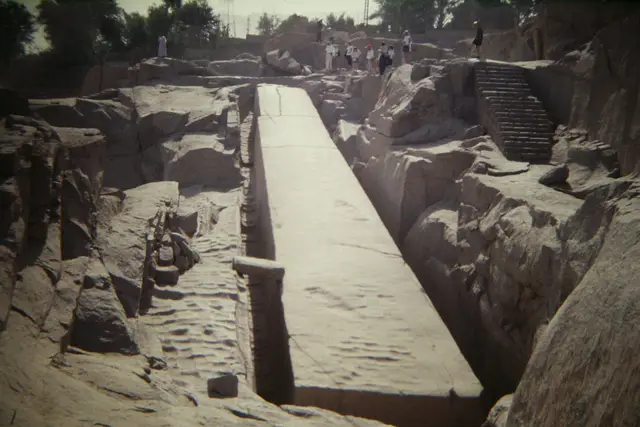
Give the dam itself 30–60 minutes. It works best as the first stop of a morning loop: High Dam, then Philae by boat from the Shellal landing, then the Unfinished Obelisk on the way back into town. Done together, that takes most of a morning.
If you add Kalabsha, allow extra time for the boat or road access on the west bank. Lake Nasser cruises to Abu Simbel also leave from this end of the lake, so you may pass the dam on the first morning of one.
Frequently asked questions
How do I get to the High Dam of Aswan?
By car. It's about 13 km south of Aswan city, and there's no practical public transport for visitors. Hire a taxi or private driver from the Corniche for a half-day, or join a hotel or cruise tour that pairs it with Philae Temple and the Unfinished Obelisk.
How long should I spend at the dam?
Most visitors spend 30–60 minutes there. That's enough for the central lookout over Lake Nasser and the river, plus a stop at the Lotus Tower monument on the west bank.
What is the best time to visit?
Come in the morning, and go in winter if you can. The crest has no shade and Aswan gets very hot from late spring to early autumn. Google lists the site as open 24 hours, but treat it as a daytime visit and ask locally before planning anything later.
Do I need my passport, and can I take photos?
Bring your passport, because police check vehicles at the approach. Photos of the lake and river are fine. Don't photograph security posts or power installations, and don't fly a drone.
What else is nearby?
Philae Temple on Agilkia Island, Kalabsha Temple on the west bank of Lake Nasser, the old Aswan Low Dam, the Unfinished Obelisk and the Nubian Museum in town. Abu Simbel is a long day trip south.
Plan your trip to Aswan
Egypt eSIM & staying connected →
Some links above are affiliate links — if you book through them, Wander Atlas earns a small commission at no extra cost to you. It's how we keep every guide free.