Three days of CS2 in Mongolia’s capital
This is a LAN, and that changes everything. The MESA Pro Series Halloween Cup 2026 brings Counter-Strike 2 teams into one room in Ulaanbaatar from October 27 to 29, 2026. Every player sits on the same local network and plays a few metres from the people watching.
The dates fall on a Tuesday, Wednesday and Thursday, just before Halloween itself. That makes it a midweek event. Local fans tend to fit sessions around work and university. Visitors have the luxury of watching every day.
The setting matters too. Mongolia has turned into one of Counter-Strike’s surprise strongholds. The MongolZ have carried the country’s flag deep into international events, and that success has given Ulaanbaatar a home crowd that knows the game in detail.
How a CS2 LAN plays out in the room
The format is easy to follow once you know the rhythm. Two teams of five play out a map, and in standard CS2 competitive rules the first side to 13 rounds takes it. Rounds are short and sharp, so the noise in the room rises and falls every couple of minutes.
At a typical LAN you will find:
- Players at stage booths with their monitors facing them, and the main broadcast on big screens above
- Casters calling the action live, usually in Mongolian at a domestic series
- Timeouts and tactical pauses, when the hall goes quiet and the replays roll
- A changeover between maps, which is when people go for food and drink
The decision about which team lineups play, and in what bracket, belongs to the organiser. This guide does not name teams or a format for this edition.
Venue, tickets and where the details live
The organiser publishes the venue, daily schedule and ticket links on its official MESA Pro Series pages and social channels. That is the single source for the hall’s address, door times and how entry works. This page does not name a venue, because we have not been given one.
Mongolian esports events usually run their promotion through Facebook pages, which remain the country’s main public notice board. Fans following the series typically get their updates there, plus through the broadcast streams. Matches at LAN events like this are commonly streamed as well, so anyone outside the city can follow along.
Ulaanbaatar at the end of October
Late October is the start of winter here. Ulaanbaatar is the coldest national capital in the world, and by the end of the month daytime temperatures often hover around freezing, with nights well below. Inside, buildings are heavily heated by the city’s central heating network, so the hall itself will be warm.
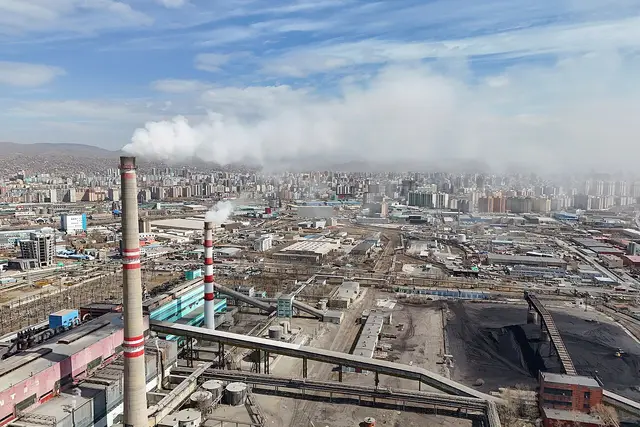
Visitors usually dress in layers they can peel off: a proper down jacket, a hat and gloves for the walk in, and a T-shirt underneath. The air is dry, and the smog from ger-district stoves builds as the heating season begins. Many visitors carry lip balm and a face mask for this reason.
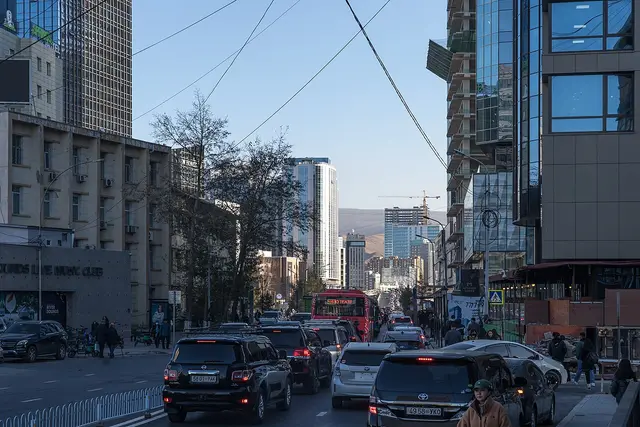
Traffic in the centre is notoriously slow at rush hour. Attendees typically allow plenty of time for any trip across town.
Sitting with a Mongolian Counter-Strike crowd
The home crowd is loud and well informed. People cheer clutch rounds by name, and chants for local teams start up during tense buy rounds. Joining in is welcome. Booing a player’s mistake is not the done thing.
A few habits that help:
- Paying: cards work in most cafés, malls and hotels, and locals lean heavily on QPay, the QR payment app. A little cash in tögrög helps at small kiosks.
- Getting around: the UBCab app is the easiest way to book a car. Plenty of people also flag down ordinary cars as unofficial taxis, which visitors without Mongolian usually avoid.
- Language: “Sain baina uu” is hello, and “bayarlalaa” is thank you. Younger fans often speak some English, and gaming vocabulary is universal.
- Seats: at LAN events, regulars tend to claim spots near the front during the gap between maps, when seats free up.
Between match days
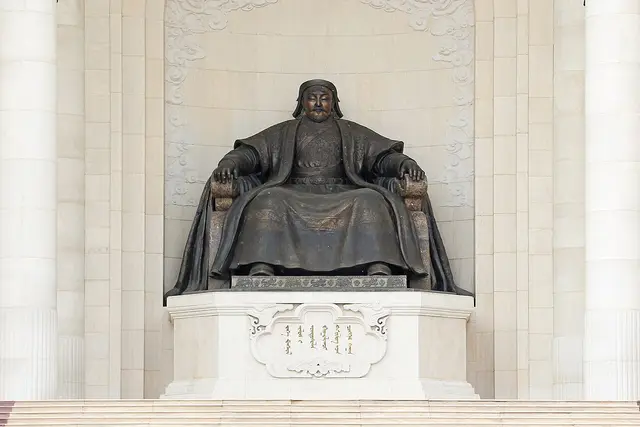
The city centre is compact enough to fill a free morning. Sükhbaatar Square, also called Chinggis Square, is the formal heart of the capital. The Government Palace faces it, with its huge seated statue of Chinggis Khaan.
A short ride west takes you to Gandan Monastery, the country’s most important Buddhist monastery. Its main temple houses a towering standing statue of Avalokiteshvara, known locally as Migjid Janraisig. The National Museum of Mongolia, near the square, gives a quick run through the steppe empires.
For a view over the whole valley, the Zaisan Memorial sits on a hill at the southern edge of town. In the evenings, the restaurants around Seoul Street and the State Department Store area cover everything from buuz dumplings to Korean barbecue. That makes them a natural spot for a post-match meal.
International visitors arrive at Chinggis Khaan International Airport, about 50 km south of the centre. The ride into the city usually takes around an hour, depending on traffic.
Frequently asked questions
When is the MESA Pro Series Halloween Cup 2026?
It runs from Tuesday, October 27 to Thursday, October 29, 2026, in Ulaanbaatar, Mongolia. The three days fall midweek, just before Halloween.
Where is the venue and how do I get tickets?
The organiser publishes the venue, schedule and ticket links on its official MESA Pro Series pages and social channels. That is the source for the address, door times and entry details.
What is the weather like in Ulaanbaatar in late October?
It is cold. Daytime temperatures are often around freezing and nights drop well below. Buildings are strongly heated, so visitors usually wear layers they can take off once they are indoors.
How do I get from the airport to central Ulaanbaatar?
Chinggis Khaan International Airport is about 50 km south of the city. A taxi or transfer usually takes around an hour, and traffic in the centre can make it longer.
What else is there to see near the city centre between matches?
Sükhbaatar (Chinggis) Square and the Government Palace are right in the centre, with the National Museum of Mongolia close by. Gandan Monastery is a short ride west, and the Zaisan Memorial on the southern edge of town gives views over the whole city.
Plan your trip to Ulaanbaatar
Mongolia eSIM & staying connected →
Some links above are affiliate links — if you book through them, Wander Atlas earns a small commission at no extra cost to you. It's how we keep every guide free.
Related guides
 event
Evening Museum: Let's Travel Through Socialism: Dates, Tickets & Venue (Ulaanbaatar)
 event
Genghis Khan Birthday Commemoration: Dates, Tickets & Venue (Ulaanbaatar)
 event
Genghis Khan's Birthday: Dates, Tickets & Venue (Ulaanbaatar)
 event