
Two pieces of Baroque and Renaissance Rome sit a few floors away from Xiongnu gold and Mongol Empire armour. That pairing is the point of this show. For one month, a portrait attributed to Raphael and a bronze Neptune and Triton by Bernini left the Galleria Borghese and travelled to the Chinggis Khaan National Museum in Ulaanbaatar.
The exhibition ran from October 1 to November 1, 2026. It was reported as the first time these works had been shown anywhere in Asia.
The wind off the ocean, explained
The title tells you how the show is framed. In full it is “The Wind of the Great Ocean Across the Steppe: Raphael and Bernini”, which names a meeting of two worlds rather than a simple art loan.
The “great ocean” is the Mediterranean culture of Rome. Bernini’s subject reinforces it: Neptune, god of the sea, with Triton, his son. Showing a sea god in one of the most landlocked capitals on earth is a deliberate contrast. Ulaanbaatar sits far from any coast, ringed by the hills of the Tuul River valley.
What came from the Galleria Borghese
The Galleria Borghese is the villa museum in Rome’s Villa Borghese gardens. It holds one of the world’s great Bernini collections and a celebrated group of Raphael paintings. Loans from it are rare, so its name on the wall label carries weight.
Two works travelled for this show:
- A portrait attributed to Raphael. “Attributed” is the curators’ own word. It means scholars link the painting to Raphael’s hand without treating it as fully documented.
- A bronze Neptune and Triton by Bernini. Sea god and son are cast in bronze, so the patina and the modelled surface change as you walk around the piece.
With so few objects, visitors usually take their time with each one rather than moving through quickly. A sculpture in the round rewards a full circuit. The Triton reads differently from behind than from the front.
Dates, tickets and where the details live
The dates as announced were October 1 to November 1, 2026. The venue was the Chinggis Khaan National Museum, the large modern museum that opened in central Ulaanbaatar in 2022.
The museum publishes its opening times and admission information on its official channels, and the ticket desk inside the building shows the prices. This guide prints no prices or hours because none were supplied with the facts. A special loan exhibition like this one often had its own entry terms, separate from general admission.
Getting to the Chinggis Khaan National Museum
The museum is in the city centre, a short walk from Sükhbaatar Square, which some maps label Chinggis Square. Most visitors arrive on foot from the hotels around the square or by taxi.
- From the airport: Chinggis Khaan International Airport is roughly 50 km south of the city. The drive takes about an hour, and longer at rush hour.
- By taxi: ride-hailing apps such as UBCab are widely used. Many visitors find them easier than flagging informal cars on the street.
- On foot: central Ulaanbaatar is compact enough to walk. Traffic on Peace Avenue is often gridlocked at peak times, so walking can be quicker.
In Mongolian the museum is Чингис хааны үндэсний музей (Chinggis Khaany Ündesnii Muzei). Drivers know it simply as the Chinggis Khaan museum.
Paying, coats and gallery manners
A few local habits make the visit smoother.
- Paying: bank cards are widely accepted in central Ulaanbaatar. Mongolians also use QPay, a mobile payment app, all the time. Tipping is not a strong custom.
- Coats: in October people arrive in heavy jackets. Museums in the city usually have a cloakroom, and visitors leave bulky layers there before entering the galleries.
- Photography: loaned masterpieces often come with stricter photo rules than the permanent collection. The signage in the gallery states what applies. Flash is almost always off-limits near old paintings.
- Language: labels in major Ulaanbaatar museums are usually in Mongolian and English. Staff at the front desk generally manage basic English.
Many visitors pair the loan show with the permanent galleries. They trace the steppe from prehistory through the Mongol Empire and beyond, so there is plenty to fill a half day.
The October turn on the steppe
The show’s month is a timing quirk of its own. October is when Ulaanbaatar tips from autumn into winter. Daytime can still be bright and crisp, but nights regularly drop below freezing and the first snow often arrives.
The light is a bonus. Mongolia is famous for clear skies, and October afternoons are short and low-angled. Visitors who come for the exhibition tend to schedule outdoor sights in the late morning and early afternoon, then head indoors as the temperature falls.
Hotel rates and crowds in October sit below the summer peak around Naadam in July. Travellers who prefer a quieter capital tend to like this season.
Around Sükhbaatar Square afterwards
The museum’s central location means the next stop is close by.
- Sükhbaatar Square and the Government Palace: the huge seated statue of Chinggis Khaan sits on the palace’s front, facing the square.
- Choijin Lama Temple Museum: a cluster of early 20th-century Buddhist temples surrounded by modern towers, a short walk south of the square.
- Zanabazar Museum of Fine Arts: works by Zanabazar, the 17th-century sculptor and religious leader. His gilded bronzes make a strong comparison with Bernini’s.
- Gandan Monastery: the city’s main working monastery, a short taxi ride west, with its tall statue of Migjid Janraisig.
Seeing Zanabazar’s bronzes on the same day as Bernini’s is the most rewarding pairing. Two sculptors from the same century worked in bronze at opposite ends of Eurasia. Each one shaped the sacred art of his own world.
Frequently asked questions
When and where was the Raphael and Bernini exhibition in Ulaanbaatar?
It ran from October 1 to November 1, 2026 at the Chinggis Khaan National Museum, a short walk from Sükhbaatar Square in central Ulaanbaatar.
Which works were shown?
There were two: a portrait attributed to Raphael and a bronze Neptune and Triton by Bernini. Both were lent by the Galleria Borghese in Rome, and the show was reported as the first time they had been seen in Asia.
How do you get to the Chinggis Khaan National Museum?
From the city centre, most people walk from the hotels around Sükhbaatar Square or take a taxi through an app such as UBCab. From Chinggis Khaan International Airport, about 50 km south, the drive takes around an hour, and longer in rush-hour traffic.
How long does a visit take?
The loan show itself was small, with two major works. Many visitors added the museum's permanent galleries on Mongolian history, which turns the visit into a half day.
What else is nearby?
Sükhbaatar Square and the Government Palace with its Chinggis Khaan statue, the Choijin Lama Temple Museum, and the Zanabazar Museum of Fine Arts are all within walking distance. Gandan Monastery is a short taxi ride west.
Plan your trip to Ulaanbaatar
Mongolia eSIM & staying connected →
Some links above are affiliate links — if you book through them, Wander Atlas earns a small commission at no extra cost to you. It's how we keep every guide free.
Related guides
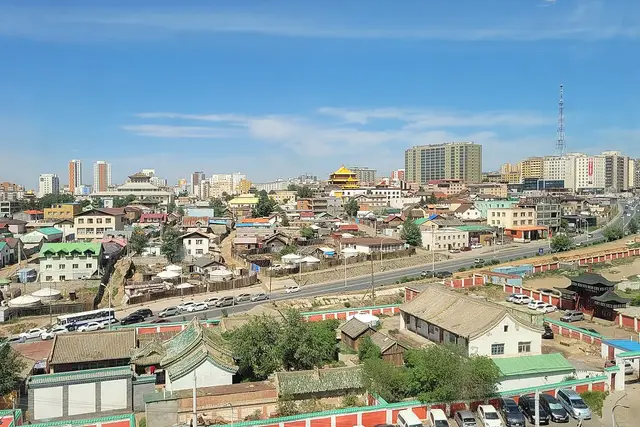 event
event MLBB Championship Tour East Asia (MCT EA) Ulaanbaatar: Dates, Tickets & Venue (Ulaanbaatar)
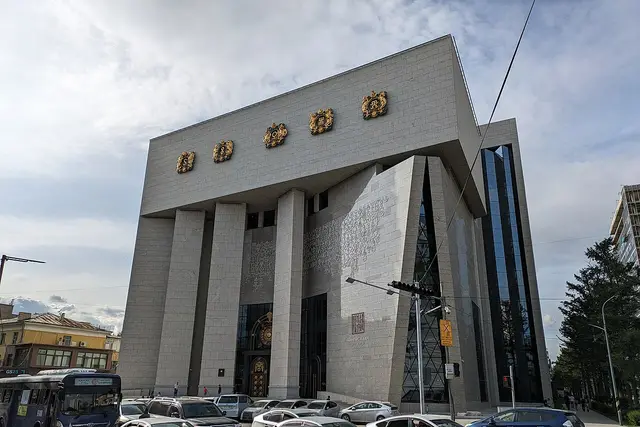 attraction
 Chinggis Khaan National Museum Mongolia: Ulaanbaatar Travel Guide
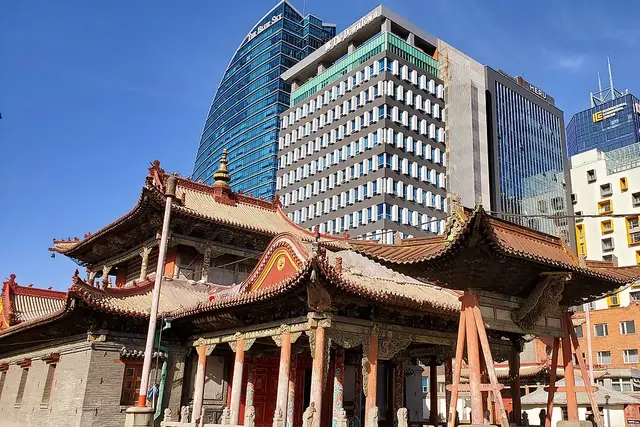 attraction
 Choijin Lama Temple Museum: Ulaanbaatar Travel Guide (4.4★)
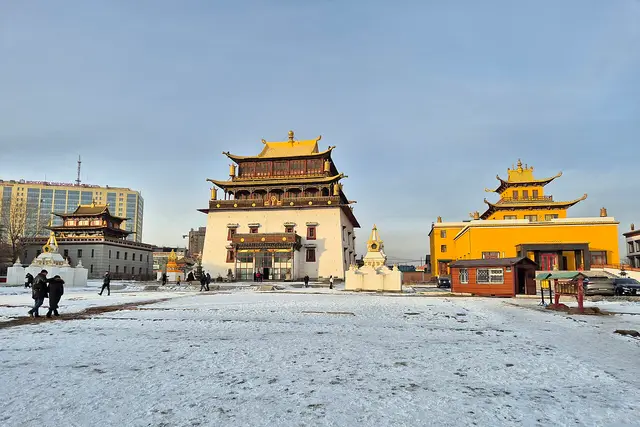 attraction