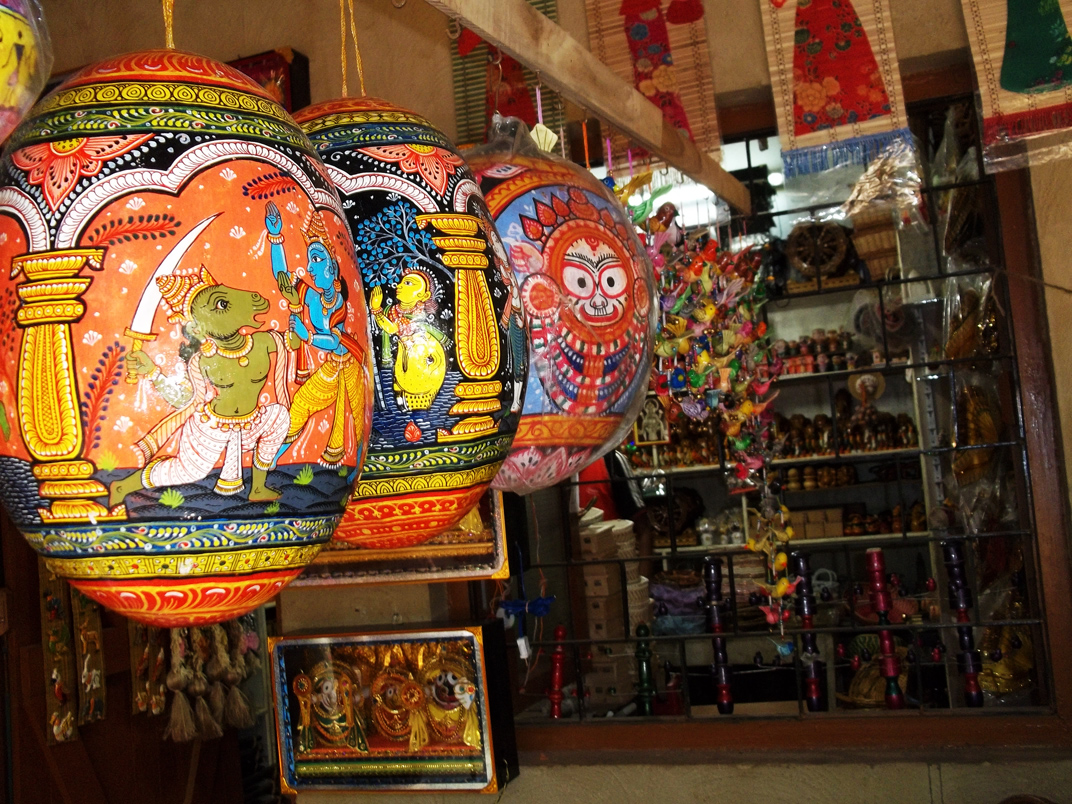
Low stalls ring a walled compound in Unit 3, facing inward onto paths and patches of lawn. Folded saris are stacked high on the tables. Painted cloth scrolls hang from the rafters, and small brass figures stand in rows at the front edge. Ekamra Haat is Bhubaneswar’s standing crafts bazaar, and it collects in one compound the work you would otherwise travel half of Odisha to find.
It is also no secret. The haat is one of the most-reviewed stops in the city and gets consistently good ratings. Plan around the crowds instead of hoping to avoid them.
Where the compound sits
It is on Madhusudan Marg in Ekamra Vihar, Unit 3, in the planned government quarter of the new city. From Bhubaneswar railway station it is a short auto-rickshaw or app-cab ride. From Biju Patnaik International Airport it is a quick drive across town.
Show drivers the address or plus code 7RHR+73M. “Ekamra Haat, Unit 3” usually works as well. The temple-dense Old Town around Lingaraj Temple lies to the south, so you can pair a morning of temples with an afternoon here.
The eleven o’clock window
Timing matters more here than at most markets. The gates open at 11am every day of the week and close at 9pm, and the schedule is the same on weekends.
- Quietest: 11am–12pm, weekdays and weekends alike
- Avoid if you can: 2pm–9pm on weekends, when the paths fill and stallholders are serving several people at once
That first hour is the one that counts. The artisans have just set out their stock and have time to unfold a sari fully or explain how a painting was made. By a weekend afternoon you will be pressed in among families, and it gets harder to hold anyone’s attention long enough to ask a real question.
On a weekday you get more slack, but the rule still holds: come early and you get the attention.
Reading the stalls: what Odisha makes
Which stalls are open changes from season to season, so treat this as a field guide, not a stock list. These are the state’s signature crafts and the names to look for on the signboards:
- Pattachitra: mythological scenes painted on treated cloth in fine outlines, traditionally from Raghurajpur near Puri
- Palm-leaf engraving (talapatra): images incised into strips of palm leaf and darkened with ink, often folded like a small book
- Sambalpuri ikat: saris and fabric whose threads are tie-dyed before weaving, which gives the motifs their slightly blurred edges
- Bomkai: handloom saris with woven borders and pallus from southern Odisha
- Tarakasi (silver filigree): fine wire jewellery and ornaments, the craft Cuttack is known for
- Pipili appliqué: bright cut-cloth patchwork sewn into canopies, lampshades and bags
- Dhokra: lost-wax cast brass figures with a rough, beaded texture
Stone carving and horn work also show up, as they do at most Odisha crafts fairs. Handle the palm-leaf pieces gently, since the leaves split along the grain.

Bargaining, paying and carrying it home
Every stall is separate, so the rules change from one table to the next.
- Ask before you bargain. Where the maker is behind the table, a gentle counter-offer is normal. A stall with printed tags usually means fixed prices.
- Pay the way people here do. Many stalls take UPI by QR code, which is what local shoppers mostly use. Foreign cards without a UPI link often won’t work, so carry some rupees for smaller stalls.
- No prices here. We don’t print figures. Prices are set by each stall and depend on the piece, so ask at the table.
- Check the weave. For ikat, turn the fabric over. On true double or single ikat, the pattern shows on both sides.
- Ask for rolls. Pattachitra and appliqué pack best rolled rather than folded. Stallholders are used to wrapping them for travel.
A few words of Odia go a long way. “Kete?” (how much?) gets a smile, and so does a plain “dhanyabad” (thank you) when you leave.
When the haat turns into a venue
Google lists Ekamra Haat as an event venue, and that fits. Besides the permanent stalls, the compound hosts themed exhibitions and craft expos, when visiting artisans set up temporary stands. At those times the mix of goods can be very different from an ordinary week.
Before you go, check the Odisha government’s tourism and handicrafts channels or local listings. An expo week means more to see and bigger crowds, so the 11am rule matters even more.
How long to give it
Allow about an hour to ninety minutes for a proper loop with some stopping. Allow longer if you are buying textiles, because choosing among stacks of saris takes time.
The compound is walkable and mostly outdoors. In the hot months before the monsoon, the late-morning slot is the most comfortable one as well as the least crowded. Wear something that copes with dust on the paths. You will spend time standing at tables, not strolling.
Pairing it with the rest of Bhubaneswar
The haat is a good way to understand the city’s other sights, because many of the crafts show up in temple decoration.
- Lingaraj Temple and the Old Town: the city’s great sandstone temple cluster, to the south. Only Hindus may enter the Lingaraj inner compound, but visitors can view it from the platform outside.
- Mukteswara and Rajarani temples: smaller and open to everyone, known for their carving
- Odisha State Museum: palm-leaf manuscripts and sculpture, useful before you buy talapatra
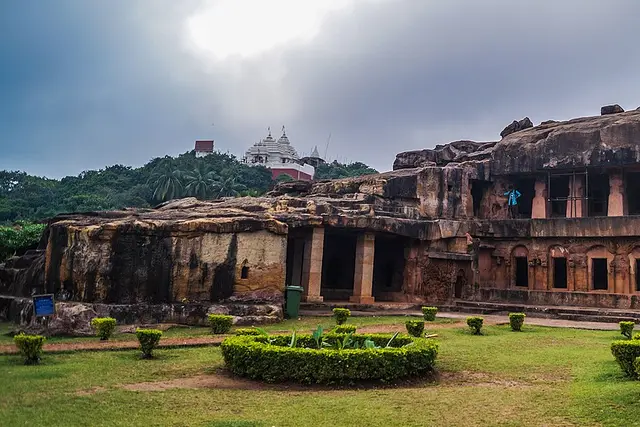
- Udayagiri and Khandagiri caves: Jain rock-cut caves on the western edge of town
A workable day: temples in the early morning, then the haat at 11am opening, then leave before the weekend rush starts at 2pm.
Frequently asked questions
When is the quietest time to visit Ekamra Haat?
11am–12pm, right after opening, on both weekdays and weekends. On weekends, try not to arrive between 2pm and 9pm, when the compound is at its busiest.
What are Ekamra Haat's opening hours?
It opens every day of the week from 11am to 9pm, weekends included.
How do I get to Ekamra Haat?
It is on Madhusudan Marg in Unit 3, Ekamra Vihar. It's a short auto-rickshaw or app-cab ride from Bhubaneswar railway station and a quick drive from Biju Patnaik International Airport. Give drivers the plus code 7RHR+73M.
What can I buy at Ekamra Haat?
Look for Odisha's signature crafts: Pattachitra cloth paintings, palm-leaf engravings, Sambalpuri ikat and Bomkai saris, Cuttack silver filigree (tarakasi), Pipili appliqué and dhokra brass. Stalls change over time, so what's on offer varies.
How long should I spend there?
About an hour to ninety minutes to walk the whole loop, or longer if you are choosing textiles. It fits easily into a day with the Old Town temples.
Plan your trip to Bhubaneswar
Some links above are affiliate links — if you book through them, Wander Atlas earns a small commission at no extra cost to you. It's how we keep every guide free.
Related guides
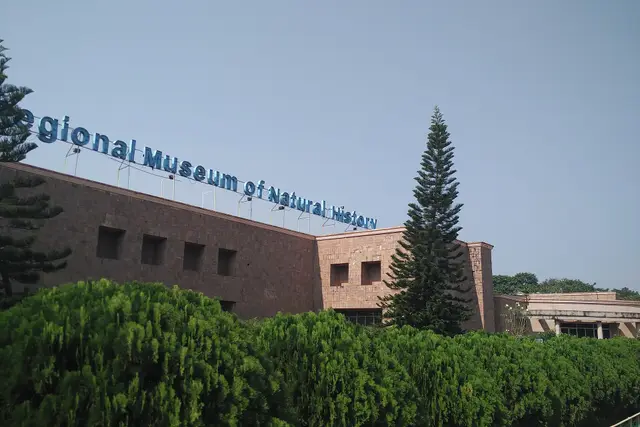 hidden gem
 Regional Museum of Natural History: Bhubaneswar Travel Guide
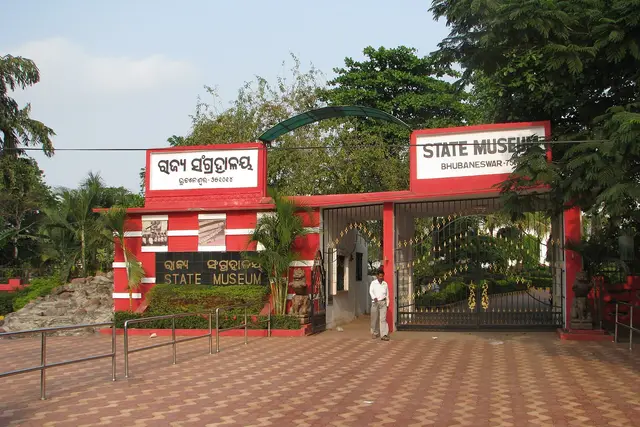 attraction
 Odisha State Museum: Bhubaneswar Travel Guide (4.5★)
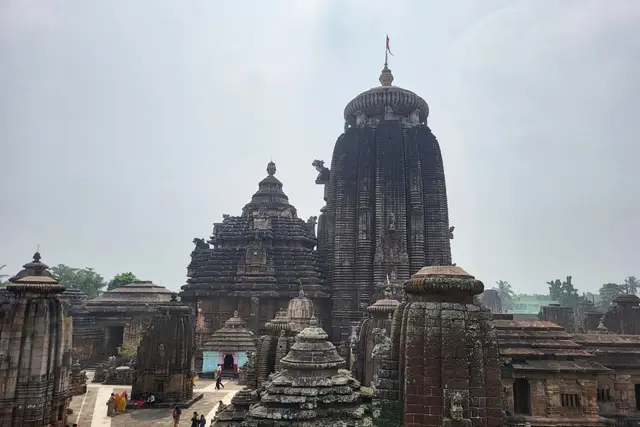 attraction
 Lingaraj Temple: Bhubaneswar Travel Guide (4.7★)
 attraction