
A monastery cut from the hill
Rani Gumpha doesn’t stand on the hill. It was cut into it. The “Queen’s Cave” is Cave 1 of the Udayagiri group: two storeys of pillared verandas carved straight out of the buff sandstone. Behind the verandas, small cells open off the rock where Jain monks once slept.
The name came later. Scholars date the excavation to around the 1st or 2nd century BCE, the era of the Kalinga king Kharavela, who patronised Jain ascetics on these twin hills. Nobody knows of a queen who lived here. It is still the grandest of the Udayagiri caves, and the one that best rewards slow looking.
Reading the stone friezes
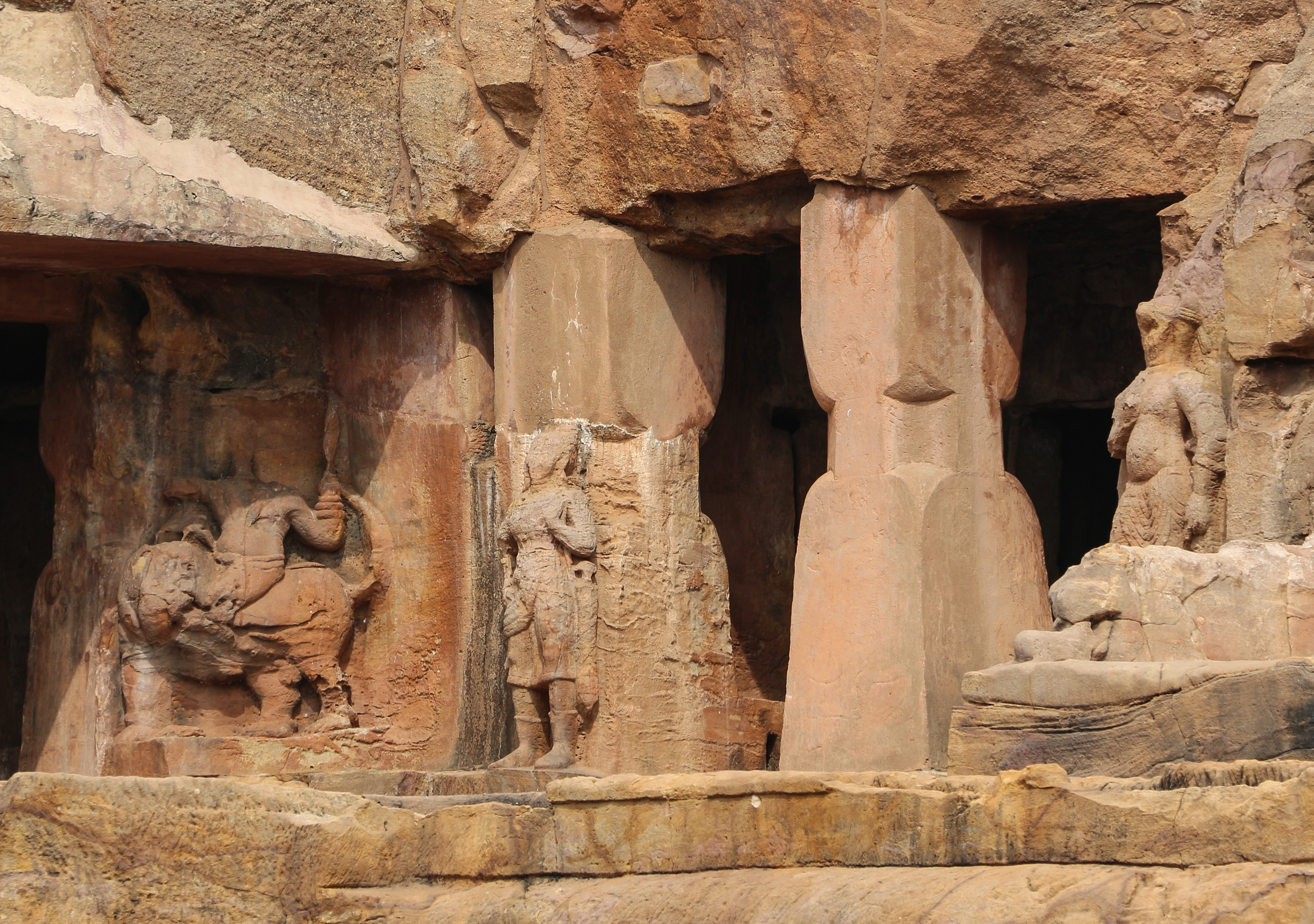
Look above the doorways. Long carved friezes run across the upper storey, and they are the reason to come. The panels are crowded with figures:
- elephants and riders
- dancers and musicians
- hunting scenes, including a figure often read as a winged deer
- processions that some historians connect to royal victories
Guardian figures flank several of the entrances. The sandstone has weathered unevenly over the centuries, so some faces are sharp and others have worn back to soft outlines. Stand at an angle to the wall rather than square-on. Raking light brings the low relief out, and the carving looks flat when the sun is straight on it.
The lower storey is plainer and deeper in shadow. The courtyard between the two wings works like an open stage facing the carved façade. You can see why people have long wondered whether performances were held here.
Getting to Khandagiri
The caves sit on the western fringe of Bhubaneswar, beside the Khandagiri neighbourhood. From the Old Town temples or Bhubaneswar railway station, the easiest way over is an auto-rickshaw or an app cab. Biju Patnaik International Airport is also a short drive away.
Ask for “Udayagiri Khandagiri caves” instead of Rani Gumpha. Drivers know the pair of hills by that name. Udayagiri is on one side of the approach road and Khandagiri on the other. Rani Gumpha is on the Udayagiri side, up a short run of stone steps from the entrance.
Climbing Udayagiri without the crowd
It’s a quieter site than the city’s big temples, and the hours are generous: 6:00 AM to 6:00 PM, every day of the week. That gives you room to choose your moment. Here’s how people usually get around the hill:
- Go early. Being there soon after 6:00 AM means cooler steps and gentle light on the friezes. It usually also beats the school groups and family outings that come later in the day.
- Pay at the gate. The site is looked after by the Archaeological Survey of India. The current entry fee is posted at the ticket counter by the entrance, so check it there.
- Watch the monkeys. Macaques live on both hills. Keep food out of sight and hold loose items like sunglasses and water bottles close.
- Don’t touch the carvings. Leaning on the friezes or climbing onto the veranda ledges for a photo wears the stone down. Guards will tell you so.
- Carry water. Shade is patchy between the caves, and in the hot months from April to June the rock throws back real heat by late morning.
In the main caves you can keep your shoes on. The working Jain temple on top of Khandagiri is different: you take your shoes off at the door and dress modestly.
Hathigumpha and the neighbouring caves
Rani Gumpha is the first stop, not the last. A few minutes’ walk up Udayagiri brings you to Hathigumpha, the “Elephant Cave.” Its long Brahmi inscription is one of the main historical sources on Kharavela’s reign. Look for Ganesha Gumpha along the way too. Its carved elephants flank the steps.
Then cross the road to Khandagiri. The caves there are smaller, and the climb ends at the hilltop Jain temple, with views back over Bhubaneswar. Covering both hills comfortably takes most visitors one to two hours. Allow longer if you want to study the friezes properly.
Pairing it with the city
Khandagiri makes an easy half-day. You can go on to the Old Town temple cluster around Lingaraj and Mukteshwar in the same outing, since both are a straightforward drive east. Seeing a Jain monastery from before the Common Era alongside the Hindu temples built a millennium later shows you how far back Bhubaneswar’s stone carving goes.
Early October to February is the most comfortable time of year for the climb. Mornings are mild, and the steps are dry once the monsoon has passed.
Frequently asked questions
What are Rani Gumpha's opening hours?
It's open every day from 6:00 AM to 6:00 PM, including weekends.
How do I get to Rani Gumpha from central Bhubaneswar?
Take an auto-rickshaw or app cab to the Udayagiri and Khandagiri caves on the city's western edge. Rani Gumpha is Cave 1 on the Udayagiri side, a short climb up from the entrance.
How long should I spend there?
Allow one to two hours to see Rani Gumpha, Hathigumpha and Ganesha Gumpha on Udayagiri, then cross the road to the Khandagiri caves and the hilltop Jain temple.
When is the best time to visit?
Go soon after the 6:00 AM opening, when the steps are cool and the light is soft on the friezes. From October to February the weather is most comfortable for the climb.
Is there anything I should watch out for?
Monkeys live on both hills, so keep food and loose items out of sight. Don't touch the carvings. At the Jain temple on top of Khandagiri, take your shoes off before going in.
Plan your trip to Bhubaneswar
Some links above are affiliate links — if you book through them, Wander Atlas earns a small commission at no extra cost to you. It's how we keep every guide free.
Related guides
 hidden gem
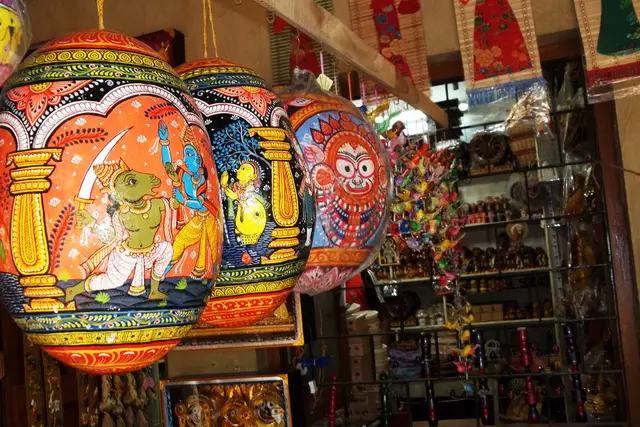
 Ekamra Haat: Bhubaneswar Travel Guide (4.3★)
 hidden gem
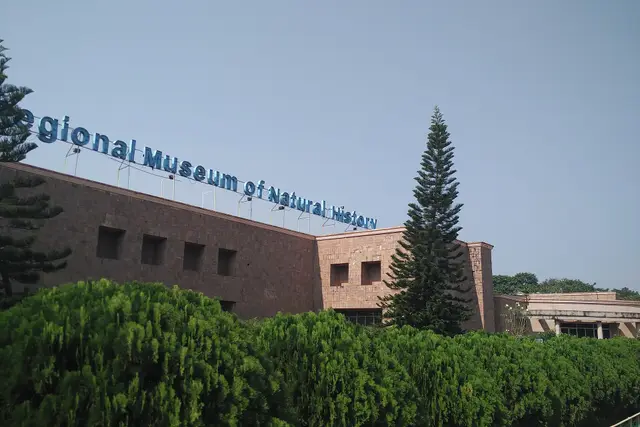
 Regional Museum of Natural History: Bhubaneswar Travel Guide
 attraction
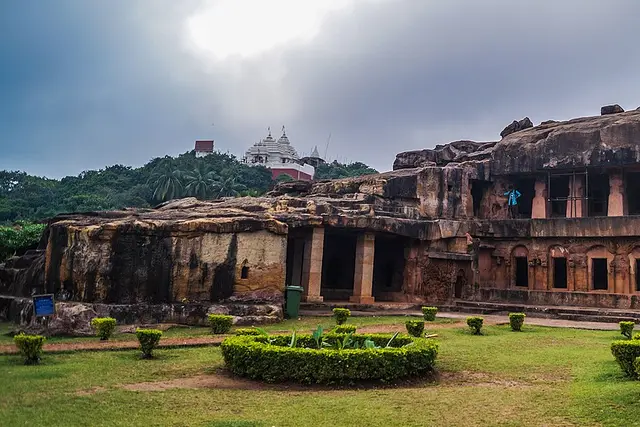
 Udayagiri and Khandagiri Caves: Bhubaneswar Travel Guide
 attraction