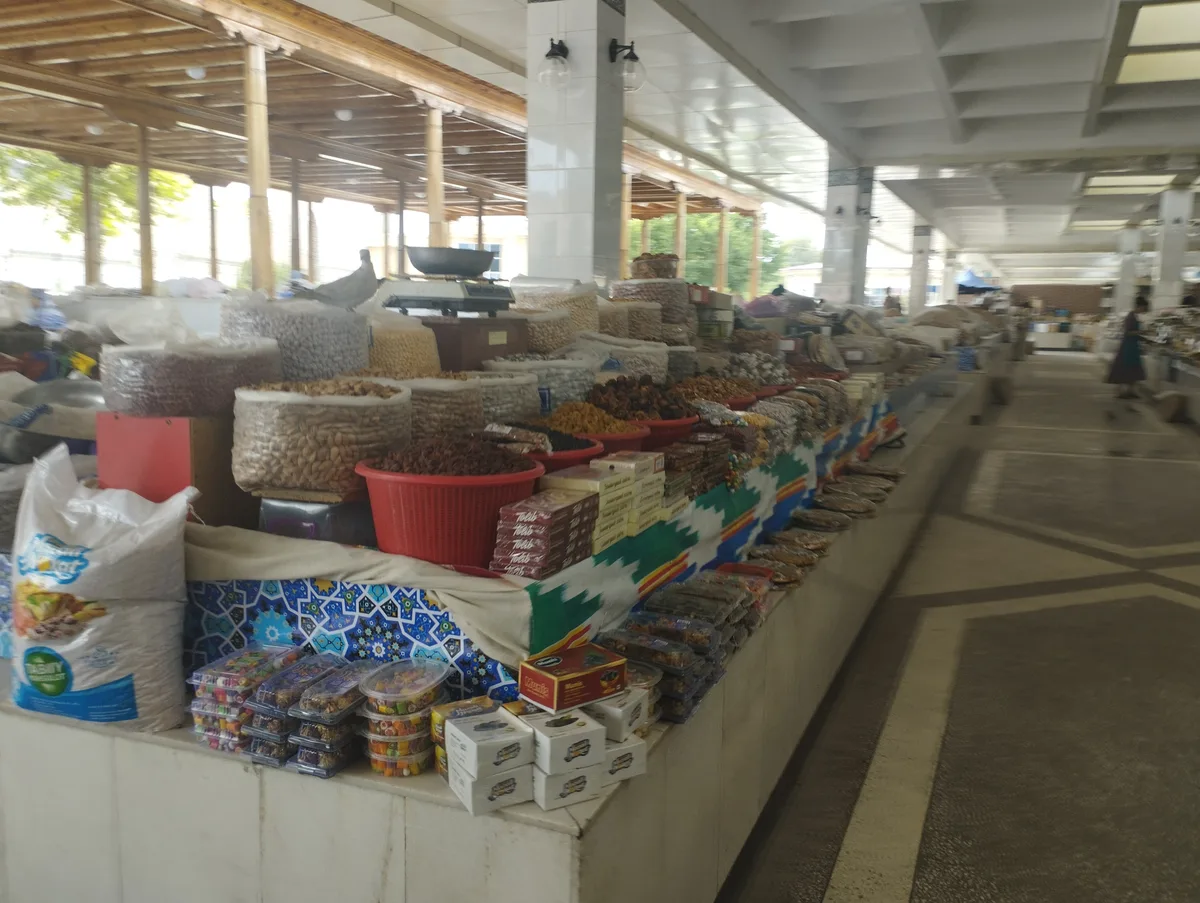
You smell Siyob Bozori before you see it. Walk down from the turquoise domes of Bibi-Khanym Mosque and the air turns warm with baking flatbread, crushed cumin, and the faint sweetness of dried melon.
The market spills out under a mix of open-air awnings and covered halls, stalls packed shoulder to shoulder. Within a few steps you pass towers of non (the round, stamped Samarkand bread that locals swear doesn’t go stale for weeks) stacked in leaning piles taller than the vendors selling them.
Why it’s worth your time
This isn’t a curated tourist bazaar; it’s where Samarkand actually shops. Households come for their weekly produce, and that everyday churn is exactly what makes it worth watching.
Stalls burst with dried apricots, raisins, figs, and walnuts in every size. Spice mounds in ochre, rust, and green sit next to barrels of rice for plov, and household stalls sell everything from enamel teapots to plastic sandals.
Getting there
Siyob Bozori sits on Bibikhonim Street, directly behind the Bibi-Khanym Mosque in the historic center. Most visitors walk over from Registan Square, about 10-15 minutes on foot through the old town.
Taxis and ride-hailing apps are cheap and easy from anywhere in Samarkand if you’d rather not walk in the heat. Ask for “Siyob Bozori” or “Siab Bazaar”. Both names are used interchangeably.

What to see and eat
Set aside at least an hour, more if you want to sample as you go. Look for:
- Non (bread): stamped rounds fresh from clay tandir ovens, some vendors will let you watch the bake
- Dried fruit and nuts: apricots, raisins, and walnuts sold by the kilo, sampling before buying is normal
- Spices: cumin, coriander, and barberries piled in loose pyramids
- Halva and sweets: dense, nutty blocks cut to order
- Household goods: toward the market’s edges, less photogenic but useful for a sense of daily life here
The covered sections toward the back hold meat, dairy, and fresh produce, less visited by tourists but a good gauge of what an ordinary Tuesday looks like in Samarkand.
When to go
The market runs Tuesday through Sunday, 7am to 7pm, and stays shut on Mondays. Plan around that if it’s your only free day. Arrive between 7am and 9am for the calmest visit, whether you’re coming on a weekday or weekend.
Weekends get busy fast after 11am and stay crowded until closing at 7pm. If you want clear sightlines for photos and room to actually talk to vendors, mornings are non-negotiable here.
How to visit like a local
Siyob Bozori is well-known and draws a steady stream of visitors, so don’t expect an undiscovered corner of the city. The trick is timing, not secrecy. Come right at opening, 7am, and you’ll share the aisles with shopkeepers restocking rather than tour groups.
Cash is essential. Card readers are rare among individual stall vendors, so carry Uzbek som in small notes and coins for easy haggling.
Bargaining is expected but keep it good-natured. A small reduction on dried fruit or nuts is normal, but haggling hard over bread or basic staples reads as petty to vendors. Sampling before you buy is standard practice, especially for nuts, dried fruit, and halva; a polite nod and a small taste is welcome.
The most common tourist mistake here is treating it purely as a photo backdrop. Bring a bag, buy something, and eat what you’re offered to sample. Vendors respond warmly to genuine shoppers, and a kilo of apricots or a fresh non loaf makes an easy, cheap souvenir of the visit.
Pair the market with the Bibi-Khanym Mosque right next door, and consider looping back through Registan Square afterward since it’s an easy walk from either end of the bazaar.
Frequently asked questions
What are the opening hours for Siyob Bozori?
It's open Tuesday through Sunday, 7am to 7pm. It's closed on Mondays, so plan your visit around that.
When is the quietest time to visit?
Both on weekdays and weekends, the market is calmest between 7am and 9am. After 11am on weekends, it gets noticeably busier through closing.
How do I get to Siyob Bozori?
It's located on Bibikhonim Street, directly behind the Bibi-Khanym Mosque in central Samarkand. It's a 10-15 minute walk from Registan Square, or a short, inexpensive taxi ride from anywhere in the city.
How long should I spend at the market?
Budget at least an hour to walk through the main stalls; longer if you plan to sample food or shop for dried fruit, spices, and bread.
Can I pay by card?
Bring cash. Most individual vendors only accept Uzbek som in cash, and card readers are uncommon at stalls.
Plan your trip to Samarkand
Some links above are affiliate links — if you book through them, Wander Atlas earns a small commission at no extra cost to you. It's how we keep every guide free.
Related guides
 attraction
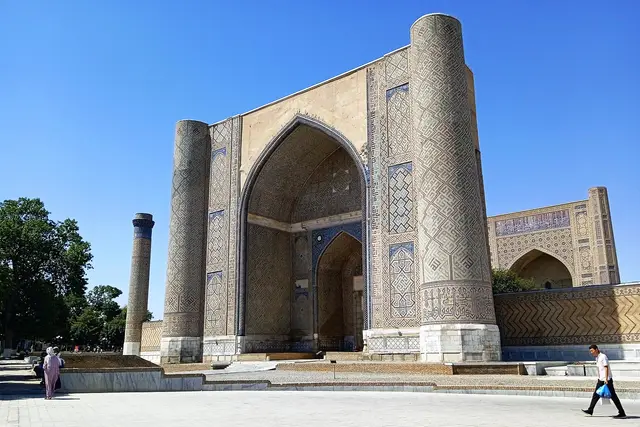
 Bibi-Khanym Mosque: Samarkand Travel Guide (4.6★)
 attraction
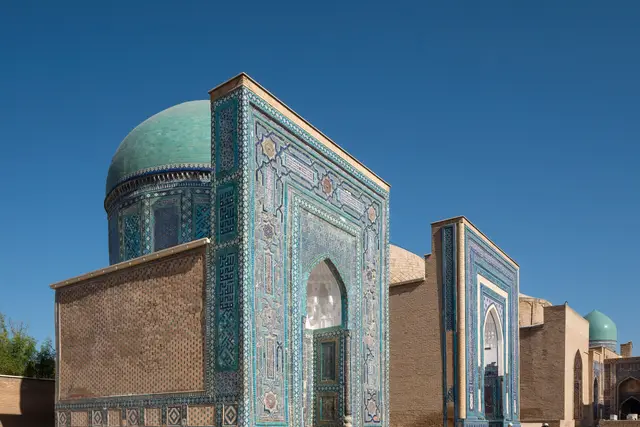
 Shah-i-Zinda necropolis: Samarkand Travel Guide (4.8★)
 attraction
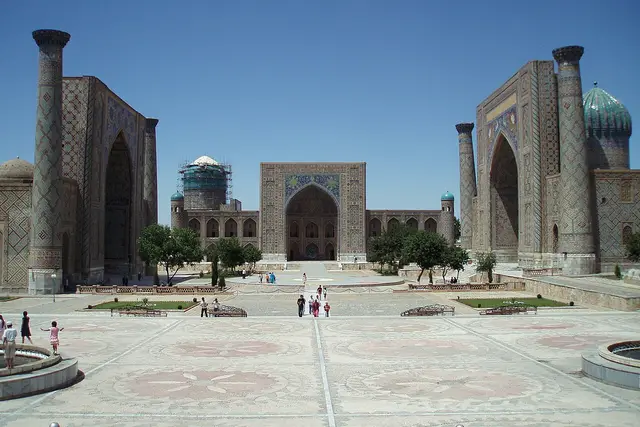
 Registan Square: Samarkand Travel Guide (4.8★)
 attraction