Horses in the deep of winter
This is a festival of the Mongolian horse, held in midwinter. The name translates roughly as “splendour of the steppe,” and the event exists to celebrate traditional equestrian culture in the capital. It recurs every year in late January, and the 2027 edition follows that pattern.
The horse is central to Mongolian identity. It is the animal of Naadam racing, of herding life, and of the morin khuur, the horse-head fiddle. A January festival shows that culture in its hardest season. The short, shaggy Mongolian horses live outdoors all winter on the steppe.
Dates and venue for 2027
The 2027 festival takes place in late January in Ulaanbaatar. The 2026 edition ran on Saturday, January 24, which gives a fair idea of where it sits in the calendar.
- When: late January 2027
- Most recent venue: Chinggis Khaany Khuree complex, Ulaanbaatar
- Previous date: January 24, 2026
- Format: annual, one-day event in 2026
Chinggis Khaany Khuree is a heritage-themed complex, not a stadium in the city centre. Visitors usually get there by taxi from central Ulaanbaatar rather than on foot.
The organiser sets the start times and ticket arrangements. Our information names no ticketing platform, and this guide does not repeat programme details or prices nobody has given us.
Surviving a Ulaanbaatar January
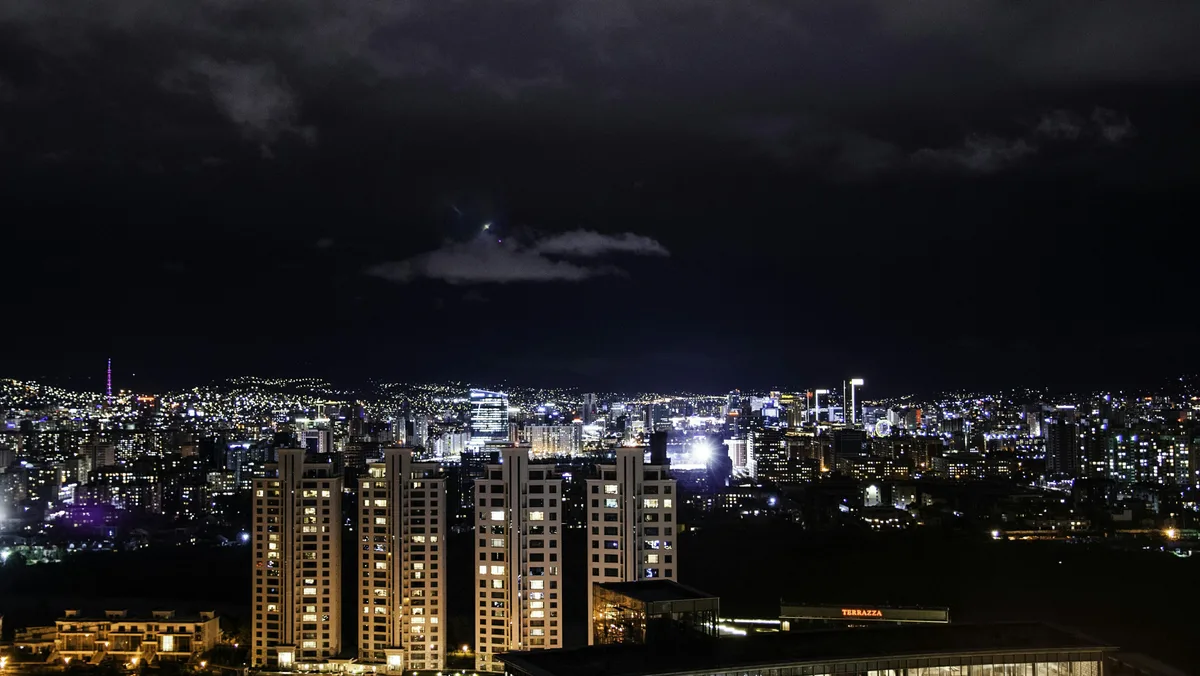
Late January is the coldest stretch of the Mongolian year. Daytime temperatures in Ulaanbaatar are commonly well below −20°C, and nights go colder. The sky is often a hard, clear blue. In the morning the city’s valley fills with smog from coal and ger stoves.
What experienced winter visitors wear:
- Thermal base layers on top and bottom
- A down parka that covers the hips
- Insulated boots with thick soles, because standing on frozen ground is what chills you
- A hat that covers the ears, plus a neck gaiter
- Mittens over thin liner gloves, so you can work a phone camera
Phone batteries drain fast in this cold. Attendees typically keep a spare power bank in an inside pocket.
Getting there the way Ulaanbaatar does
Most residents move around the city by car, and in January nobody waits long at a roadside. Ride-hailing apps such as UBCab are widely used. Informal taxis are a normal part of city life too: a private driver stops and you agree a fare before getting in.
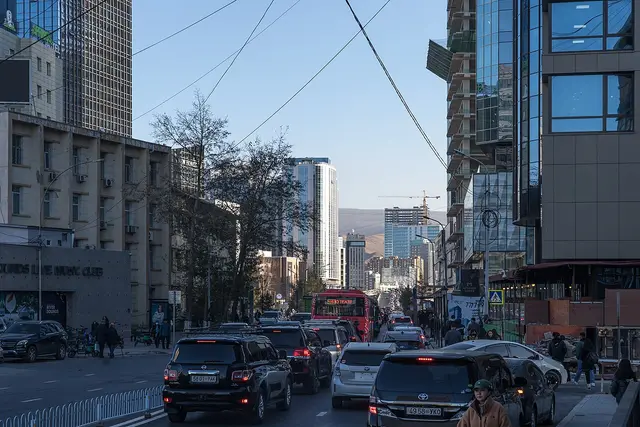
City traffic is notoriously heavy, especially at weekday rush hours. On a festival day, locals usually leave a generous margin for the drive out.
At the event, a few customs are worth knowing:
- Approach horses from the front or side, never directly behind, and ask the handler before touching one.
- Accept offered food or drink with the right hand, or both hands, the polite Mongolian way.
- Ask before photographing people in traditional deel, especially at close range.
A few words of Mongolian go a long way. Sain baina uu is hello, and bayarlalaa is thank you.
Late January often falls close to Tsagaan Sar, the Lunar New Year, so the city may already be preparing for the holiday. Visitors who stay on can see the Gandan Monastery, the National Museum of Mongolia, and the Chinggis Khaan equestrian statue at Tsonjin Boldog, about an hour east of the city by road.
Frequently asked questions
When is the Talyn Javkhaa Horse Culture Festival in 2027?
It takes place in late January 2027. The previous edition was held on Saturday, January 24, 2026.
Where is the festival held?
The 2026 edition was held at the Chinggis Khaany Khuree complex in Ulaanbaatar. Visitors usually travel there by taxi or ride-hailing app from the city centre.
How cold is it at the festival?
Very cold. Late January is Ulaanbaatar's coldest period, and daytime temperatures are commonly below −20°C. Full winter gear is essential: down parka, insulated boots, a hat that covers the ears, and layered gloves.
How do I get to Ulaanbaatar for the festival?
International flights arrive at Chinggis Khaan International Airport, south of the city. From there, taxis and ride-hailing apps such as UBCab cover the trip into town and on to the venue.
What else is there to see nearby in late January?
Gandan Monastery and the National Museum of Mongolia are in the city. The Chinggis Khaan equestrian statue at Tsonjin Boldog is about an hour's drive east. Tsagaan Sar, the Lunar New Year, often falls soon after the festival.
Plan your trip to Ulaanbaatar
Mongolia eSIM & staying connected →
Some links above are affiliate links — if you book through them, Wander Atlas earns a small commission at no extra cost to you. It's how we keep every guide free.
Related guides
 event
Evening Museum: Let's Travel Through Socialism: Dates, Tickets & Venue (Ulaanbaatar)
 event
Genghis Khan Birthday Commemoration: Dates, Tickets & Venue (Ulaanbaatar)
 Ended
Genghis Khan's Birthday: Dates, Tickets & Venue (Ulaanbaatar)
 Ended