
Two men, no clock
A bout of bokh can be over in seconds or go on for many minutes. Neither wrestler knows which in advance. The Mongolian National Wrestling Championship keeps the sport’s oldest rules: no weight classes, no time limits and no ring boundaries. A compact wrestler can draw a giant, and the match continues until one of them touches the ground.
The look is unmistakable. Wrestlers wear the zodog, a tight open-chested jacket with long sleeves, along with shuudag briefs and upturned leather gutal boots. Before and after a bout they perform the eagle dance, arms spread and lifting slowly. That dance is the moment cameras in the stands go up.
Dates and venue for 2026
The championship takes place in November 2026. The exact day varies from year to year, so a fixed calendar date doesn’t carry over from one edition to the next. It is held at the National Sports Stadium in Ulaanbaatar, the city’s main sports ground. The stadium sits a short taxi ride south of Sükhbaatar Square.
Ticket and schedule information comes from the organiser and is mostly in Mongolian. Foreign visitors usually get help from their hotel front desk or a local guide to find seats. No price is given here, so the current figure is whatever the seller is showing at the time.
Reading a bout
Bokh has one rule that matters most. A wrestler loses as soon as any part of the body other than the soles of the feet touches the ground. For this purpose the hands don’t count. A knee, an elbow or a shoulder blade going down ends the match on the spot.
What fans follow most closely:
- The grip fight. Long spells of gripping and leaning are where the bout is decided. They are not dead time.
- The zasuul. Each wrestler has an attendant who holds his hat and calls out his praises before the bout.
- The finish. The loser traditionally walks under the winner’s raised arm. The winner then dances around the national standard.
- Titles. The ranks are falcon (nachin), elephant (zaan), lion (arslan) and titan (avarga). They are mostly earned at summer Naadam and shape how wrestlers are paired.
Draws work by seniority. Higher-ranked wrestlers traditionally choose their opponents in the early rounds, which is why the biggest names often meet only near the end.
Watching from the stands
Most of the crowd are serious fans, many of them families. They follow wrestlers by name and by title. Applause comes in bursts at a clean throw, and the room goes quiet during a long grip stalemate. Clapping at the throw and keeping still through the grappling is how you fit in.
Some habits from the seats around you:
- Stand for the anthem and for the ceremonial parts that open the day.
- Fans ask permission for close-up photos of wrestlers in the warm-up areas.
- Use the titles. Fans say “avarga” or “arslan” in front of a wrestler’s name, and picking this up makes conversations with neighbours much easier.
- Leave the outcome to the judges. Results are rarely argued from the stands the way they are at Western combat sports.
A few words of Mongolian go a long way. Sain baina uu means hello, and bayarlalaa means thank you.
Getting there in November
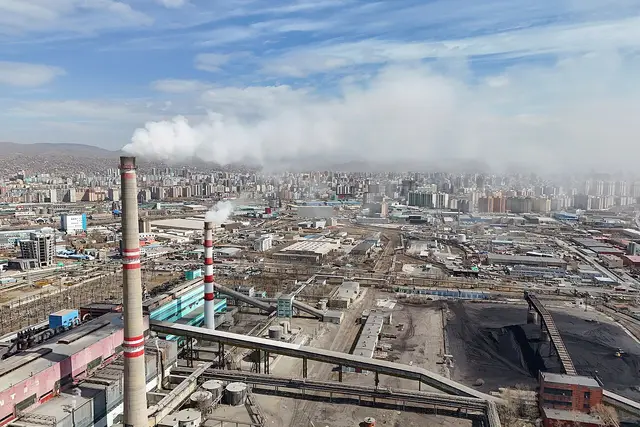
November in Ulaanbaatar is properly cold. Temperatures are often well below freezing and drop further after dark. Visitors usually dress in layers and bring a hat and gloves for the walk to and from the stadium. The air during the winter heating season can be smoky, so many people also wear a mask outdoors.
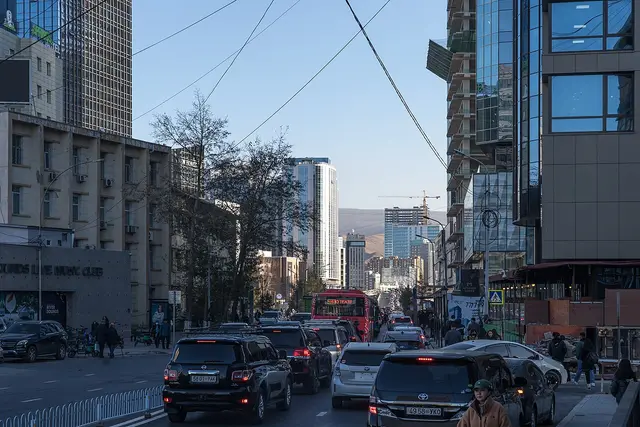
The city has no metro. Most visitors get to the stadium by taxi or a ride-hailing app from the centre, and city buses run on the U Money card. Traffic in Ulaanbaatar is heavy at rush hour, and the streets around a big event jam up. Fans coming from the centre usually allow extra time.
Most international visitors stay close to Sükhbaatar Square, where the hotels, restaurants and taxi stands are. From there the stadium is a straightforward ride south.
Filling the rest of the trip
A wrestling day pairs well with the city’s museums, which are heated and easy to reach from the square. The National Museum of Mongolia covers the history behind the sport, including the steppe empires and the Naadam tradition. Gandan Monastery, west of the centre, is Ulaanbaatar’s largest working monastery, and its main hall holds a towering standing Avalokiteshvara statue.
On a clear day, visitors often take a taxi up to Zaisan Memorial on the city’s southern edge. From there you can see the Tuul River valley and the whole basin of Ulaanbaatar.
Frequently asked questions
When is the Mongolian National Wrestling Championship in 2026?
It takes place in November 2026. The exact date changes every year, and the organiser announces it in Mongolian.
Where is the championship held?
At the National Sports Stadium in Ulaanbaatar, a short taxi ride south of Sükhbaatar Square, where most visitors stay.
How do foreign visitors get tickets?
The organiser handles ticket information, mostly in Mongolian. Foreign visitors usually get help from their hotel front desk or a local guide. The current price is shown by the seller and isn't given here.
Do I need to know the rules to enjoy it?
Not really. There are no weight classes, time limits or ring boundaries. A wrestler loses when any part of the body other than the feet or hands touches the ground. Wrestlers perform the eagle dance before and after each bout, and it is the moment most spectators photograph.
What should I wear in November?
Proper winter clothing. Ulaanbaatar in November is often well below freezing, so visitors usually wear layers, a hat and gloves. Many also wear a mask because winter heating makes the air smoky.
Plan your trip to Ulaanbaatar
Mongolia eSIM & staying connected →
Some links above are affiliate links — if you book through them, Wander Atlas earns a small commission at no extra cost to you. It's how we keep every guide free.
Related guides
 event
Evening Museum: Let's Travel Through Socialism: Dates, Tickets & Venue (Ulaanbaatar)
 event
Genghis Khan Birthday Commemoration: Dates, Tickets & Venue (Ulaanbaatar)
 event